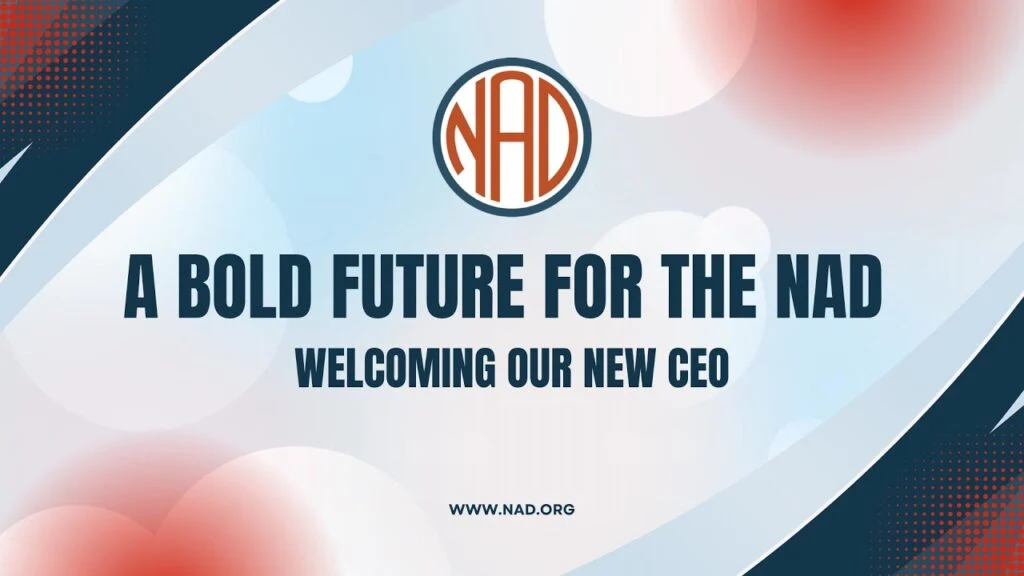
The selection of Kiego follows a comprehensive national search conducted by the Board of Directors, aimed at identifying a leader capable of balancing the complex requirements of non-profit management, legislative advocacy, and community outreach. The announcement comes at a juncture where the NAD is emerging from a period of transitional leadership, positioning itself to address contemporary challenges in accessibility, digital rights, and socioeconomic equity for the Deaf community.
A Timeline of Transition and Organizational Stability
The appointment of Kiego serves as the culmination of a two-year recovery and stabilization effort led by Interim CEO Bobbie Beth Scoggins. Following a period of organizational volatility that necessitated significant restructuring, the Board of Directors prioritized a leadership model focused on financial transparency and operational integrity.
Under Scoggins’ tenure, the NAD successfully addressed several systemic hurdles that had previously impeded the organization’s strategic objectives. Her administration focused on stabilizing the organization’s fiscal health, which had been strained by shifting donor landscapes and the residual impacts of the COVID-19 pandemic. By fostering a collaborative relationship between the executive office and the Board, Scoggins effectively set the stage for a permanent appointment, allowing the search committee to operate with a clearer understanding of the organizational requirements for the next decade.
The search process, which involved extensive stakeholder feedback, included engagement with organizational affiliates, regional chapters, and individual members. This participatory approach was designed to ensure that the incoming CEO would be aligned with the grassroots priorities of the federation. The Board of Directors emphasized that the decision was not merely an administrative hiring process but a strategic alignment with the long-term vision of the NAD as a representative body for the millions of Americans who identify as deaf or hard-of-hearing.
Strategic Priorities for the Incoming Administration
In his introductory remarks, Nicholas Kiego outlined a multi-faceted agenda that addresses the foundational needs of the association. His stated priorities include the rebuilding of organizational trust, the restoration of long-term financial stability, and the aggressive expansion of the NAD’s membership rolls and revenue streams. These goals are consistent with the current needs of non-profit advocacy groups, which are increasingly required to demonstrate measurable impact to maintain donor confidence and legislative influence.
Kiego’s focus on the "significance of the NAD’s legacy" suggests a return to the organization’s historical roots in civil rights advocacy, even while modernizing its approach to digital accessibility. In an era where communication technology is rapidly evolving, the NAD faces the dual challenge of ensuring that emerging platforms remain accessible to the Deaf community while simultaneously protecting the rights of individuals in education, employment, and public life.
The 58th Biennial NAD Conference: A Catalyst for Action
The transition of power will be publicly marked at the 58th Biennial NAD Conference, scheduled for June 30 through July 5, 2026, in San Francisco. The conference is widely regarded as the most significant event on the organization’s calendar, serving as both a deliberative assembly and a platform for grassroots organizing.
For the Board of Directors, the conference represents an opportunity for members to engage directly in the strategic goal-setting process. This session will be pivotal, as the federation prepares to establish its primary objectives for the next two to four years. The presence of Kiego at this event is expected to facilitate an immediate feedback loop, allowing the new CEO to engage with stakeholders directly and hear their testimonies regarding the challenges currently faced by the community.
Data from previous biennial conferences indicates that these gatherings are critical for the organization’s financial health and political legitimacy. Historically, the conference serves as a barometer for membership satisfaction and an engine for policy development. By hosting this year’s event in San Francisco—a city with a robust history of disability rights activism—the NAD is signaling a commitment to high-visibility advocacy.
Contextualizing the Role of the NAD in American Advocacy
The NAD remains the nation’s oldest civil rights organization for a minority group, with a mandate that encompasses legislative lobbying, legal intervention, and the promotion of American Sign Language (ASL). The appointment of a new CEO occurs within a broader societal context where the rights of disabled Americans are frequently at the center of legislative and judicial discourse.
Recent years have seen an uptick in litigation regarding video relay services, captioning mandates, and employment discrimination. As an organization, the NAD must navigate a landscape where federal funding is subject to shifting political priorities and where the cost of legal advocacy continues to rise. Consequently, Kiego’s focus on "growing revenue" is not merely a fiscal goal but a prerequisite for the organization’s ability to sustain its legal and policy departments.
Organizational Response and Future Outlook
President of the Board of Directors, Stephanie Hakulin, has expressed full confidence in Kiego’s strategic vision. The Board’s public stance—emphasizing solidarity with the new CEO—is intended to signal to donors and affiliates that the period of transition is coming to an end and that a new, settled chapter is beginning.
Observers of the non-profit sector note that the transition from an interim leader to a permanent CEO is often the most precarious period for an organization. However, the structured approach taken by the NAD—including the involvement of the search committee and the deliberate preparation period between the announcement and the start date—minimizes the risks typically associated with leadership turnover.
The broader impact of this appointment will likely be felt in the coming months as Kiego begins his tenure. His success will be measured by his ability to reconcile the diverse needs of a large, geographically dispersed membership with the necessity of maintaining a focused, unified national message. If Kiego can achieve the financial stabilization and membership growth he has promised, the NAD is poised to reassert its influence as the primary voice for the Deaf community in federal policy debates.
Implications for Stakeholders
For the affiliates and individual members of the NAD, the transition offers a chance to reset expectations and contribute to a renewed vision. The emphasis on "hearing stories" and "chatting" with members, as voiced by Kiego, reflects a modern management style that prioritizes relational leadership over top-down authority. This approach is likely to resonate with a membership base that has historically felt disconnected from the national office.
As the organization prepares for the 2026 conference, all eyes will be on the leadership to see how they translate these broad strategic goals into actionable policy. With the groundwork laid by Bobbie Beth Scoggins and the strategic roadmap expected to emerge from the upcoming conference, the NAD enters this new phase with a foundation that is significantly more stable than it was in recent years.
Ultimately, the appointment of Nicholas Kiego represents a calculated effort by the Board to professionalize the association’s management while keeping its mission-driven advocacy firmly at the center of the organization’s identity. As the NAD approaches its 58th Biennial Conference, the focus remains on unity, growth, and the continued pursuit of equality for the Deaf community in an increasingly complex and digital-first world.