The Clinical Timeline: From Diagnosis to Empowerment
Marna’s trajectory reflects the modern standard of care for pediatric hearing loss, which emphasizes early identification and rapid technological intervention. According to pediatric audiology guidelines, the "1-3-6" rule—screening by one month, diagnosis by three months, and intervention by six months—is the gold standard for achieving age-appropriate language development in children who are deaf or hard of hearing.
Marna’s timeline exceeded these clinical benchmarks:
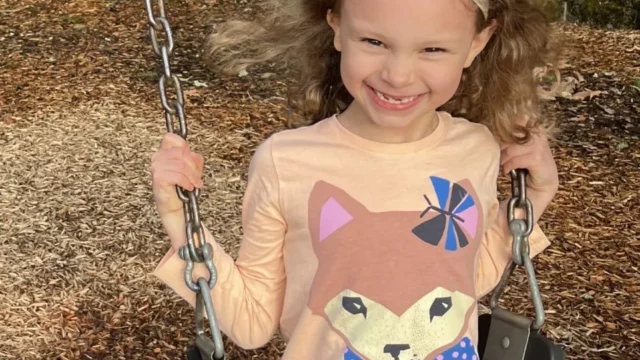
- Two Months: Following initial screenings, Marna received her first set of hearing aids, providing the necessary sensory input to stimulate the auditory nerve during a critical window of neuroplasticity.
- Twelve Months: Recognizing the need for more robust auditory access, medical professionals performed the surgical implantation of her first cochlear implant.
- Twenty-Four Months: A second cochlear implant was placed, achieving bilateral stimulation. This is widely considered the optimal approach for sound localization and speech recognition in complex, noisy environments, such as classrooms or sports fields.
This foundational period was supported by the Birth-to-3 program at Listen and Talk. Through intensive home-based coaching, Marna’s parents were trained in LSL strategies—a pedagogical approach that focuses on teaching children to interpret auditory information and develop spoken language, rather than relying primarily on visual sign systems.
The Role of Specialized Education in Developmental Milestones
Following her early intervention phase, Marna transitioned into a "Blended Classroom" environment between the ages of three and five. This educational model is specifically designed for children with hearing loss, integrating them into a setting that combines specialized auditory-verbal therapy with traditional early childhood education.
The pedagogical value of such programs lies in the peer-to-peer dynamic. For children with cochlear implants, the classroom serves as a laboratory for social and linguistic development. Research in the field of deaf education consistently indicates that children who attend specialized preschools alongside peers with similar hearing profiles develop stronger self-advocacy skills. By navigating their own hearing technology—including managing battery life, processors, and communication with teachers—children gain a level of autonomy that is critical for their eventual transition into traditional mainstream school environments.
Data-Driven Outcomes in Pediatric Cochlear Implantation
The success observed in Marna’s development is supported by broader longitudinal data regarding cochlear implant outcomes. Studies published in journals such as Pediatrics and the Journal of Speech, Language, and Hearing Research have demonstrated that children who receive cochlear implants before the age of two typically achieve language scores comparable to their hearing peers by the time they reach elementary school.
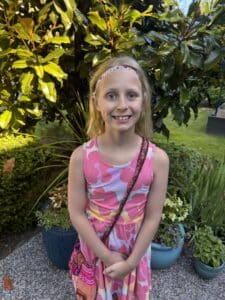
The "full volume" lifestyle that Marna currently enjoys—participating in lacrosse, softball, soccer, and swimming—demonstrates that technological advancements have largely mitigated the physical limitations previously associated with hearing impairment. Modern cochlear implant processors are increasingly durable, moisture-resistant, and capable of integrating with assistive technology, allowing children to participate in high-intensity extracurricular activities that were once considered prohibitive for wearers of external hearing devices.
The 2026 Alumni Family Giving Campaign: A Strategic Necessity
The Alumni Family Giving Campaign, which features Marna as a primary ambassador, is not merely a fundraising effort but a strategic response to the growing demand for specialized pediatric auditory services. As medical technology improves, the focus of organizations like Listen and Talk has shifted from basic sensory habilitation to comprehensive psychosocial support.
The objective of this campaign is to fund the "gap"—the costs associated with professional staff, specialized diagnostic equipment, and the maintenance of the Blended Classroom model that are not fully covered by standard medical insurance or public education budgets. For many families, these programs are the difference between a child struggling to integrate and a child thriving in a competitive academic and social environment.
Implications for Public Policy and Early Intervention
The success of individual cases like Marna’s has profound implications for public policy regarding newborn hearing screening and early childhood education. Advocacy groups point to the "economic return on investment" for early intervention services; by providing high-quality support in the first five years of life, the reliance on long-term special education services and social support systems in later years is significantly reduced.
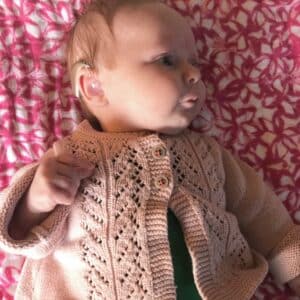
However, the challenge remains the accessibility of these services. As noted by the organizers of the Alumni Family Giving Campaign, the vision that "no child is limited by hearing loss" requires a sustained, consistent flow of funding. The transition of children from clinical settings to high-functioning, independent young people—as seen in Marna’s case—serves as the primary metric for the success of these programs.
Analysis: Beyond the Classroom
Marna’s story underscores the importance of a multidisciplinary approach to pediatric health. Her success is the result of a "triangle of support": medical professionals providing the hardware (cochlear implants), educators providing the software (LSL therapy), and a supportive family unit providing the environment for practice and confidence-building.
The fact that Marna is now an avid reader, a scout, and a multi-sport athlete suggests that her hearing loss has become a secondary attribute rather than a defining limitation. This is the primary goal of modern pediatric audiology: the normalization of the deaf experience through high-fidelity sound access and early, consistent therapy.
As the 2026 campaign moves forward, the focus will remain on the long-term outcomes of students who, like Marna, have used these services to build a foundation of self-esteem. The ability to advocate for oneself, to understand one’s own limitations and strengths, and to participate fully in a hearing-centric society is the ultimate marker of successful rehabilitation.

Conclusion: The Future of Auditory Habilitation
The 2026 Alumni Family Giving Campaign seeks to replicate the success seen in Marna’s developmental arc for a new generation of children. By combining the latest in auditory technology with evidence-based educational practices, Listen and Talk aims to demonstrate that early intervention is not just a clinical necessity, but a pathway to a life without self-imposed or societal barriers.
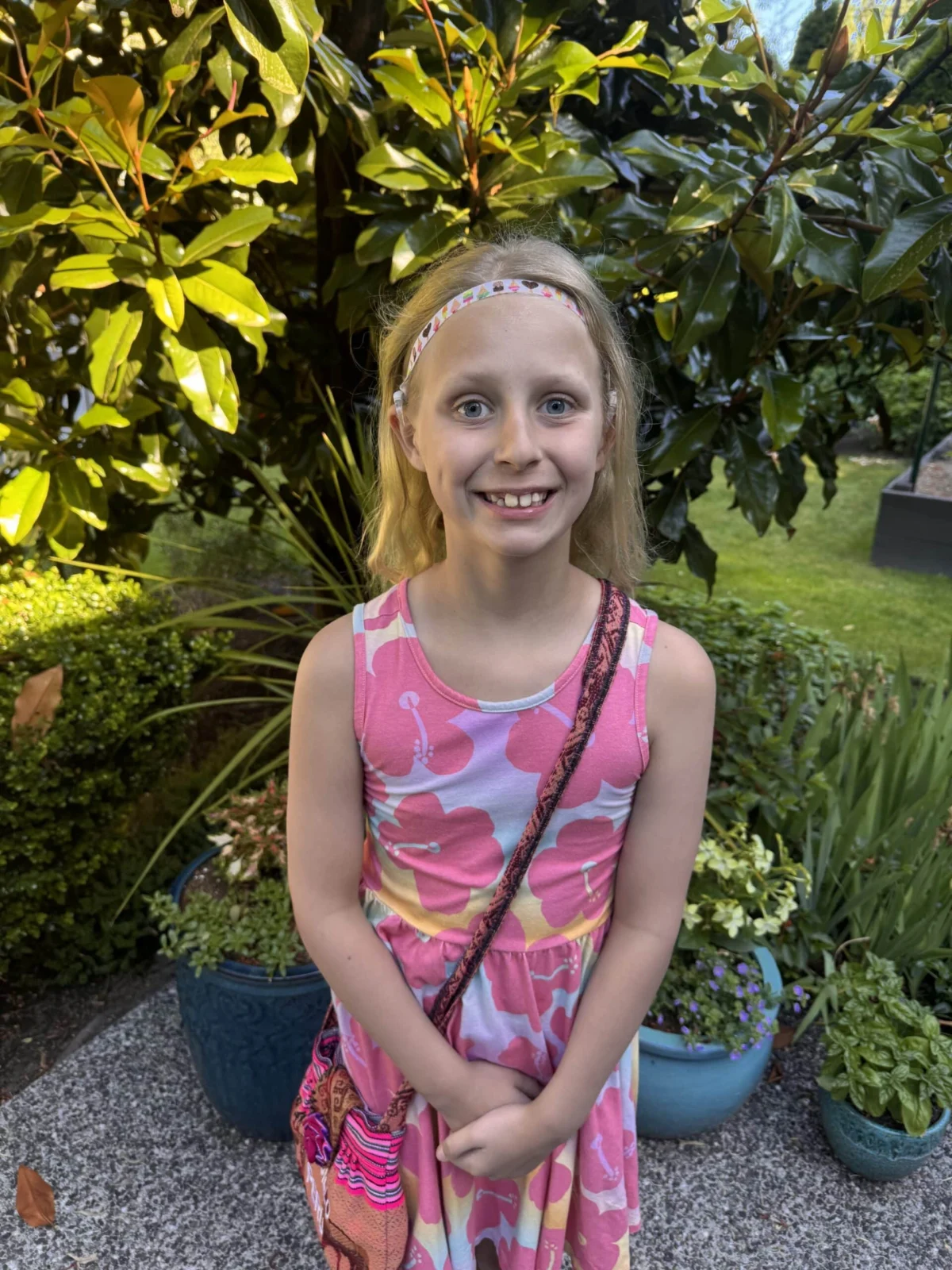
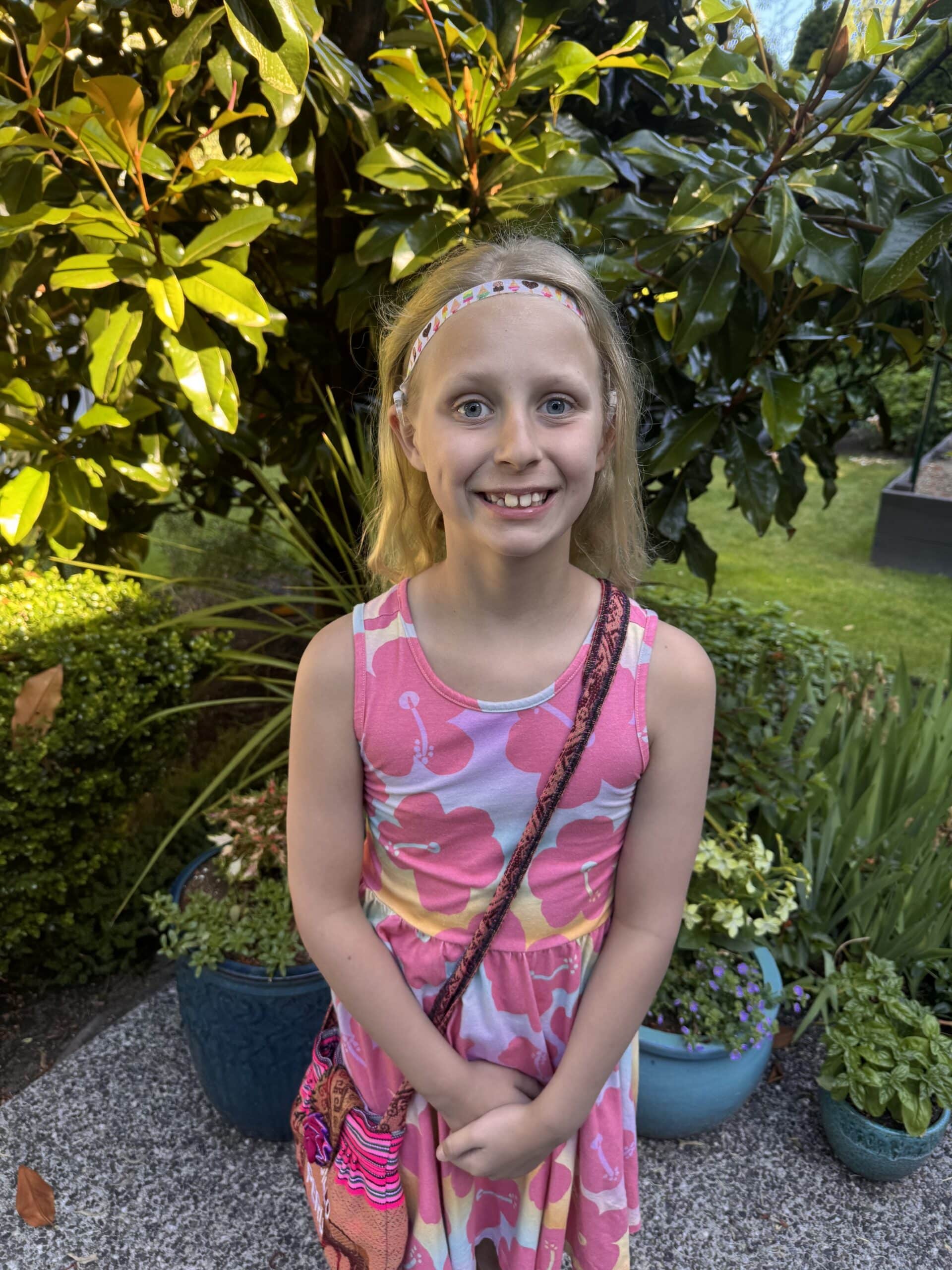
For families currently receiving a diagnosis, Marna’s story provides a tangible roadmap of what is possible. From the first pair of hearing aids at two months to the confidence of an eight-year-old on the lacrosse field, the narrative of the modern child with hearing loss is one of inclusion, capability, and continued growth. As the organization looks toward the future, the emphasis remains on the critical importance of donor support in maintaining these vital, life-changing services for every child, regardless of their background or the severity of their hearing impairment.
Those interested in the progress of the campaign or the ongoing research into the long-term efficacy of LSL programs are encouraged to review the documentation provided by the organization’s outreach department. By investing in these programs, stakeholders are not only supporting individual children but are also contributing to a broader societal shift toward the full integration and empowerment of the deaf and hard-of-hearing community.