
The Evolution of the Distributed Workforce
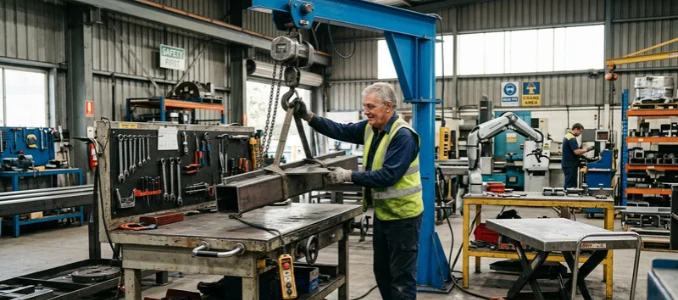
The transition toward decentralized work is not merely a consequence of recent global events; it is a long-term trend driven by technological advancement and shifting economic demands. According to data from the Bureau of Labor Statistics (BLS), the proportion of the workforce operating outside of a traditional, single-location office has grown by approximately 15% over the last decade. In sectors such as construction and logistics, the rise of the "gig" economy and complex, multi-state supply chains has further fragmented the employee experience.
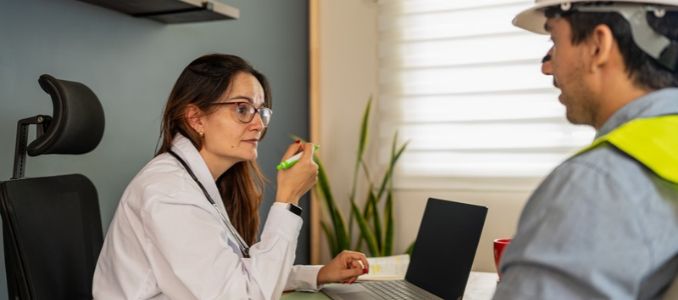
When a worker in a rural logistics hub or a remote construction site sustains an injury, the logistical hurdles to obtaining immediate, appropriate care are significant. Historically, occupational health was anchored to the physical plant—a clinic located on-site or in the immediate vicinity. Today, that model is insufficient. If a long-haul truck driver sustains a repetitive strain injury while on a multi-state route, or a remote technician suffers a fall at a client site, the reliance on a single, fixed medical point of contact creates dangerous gaps in care.
A Chronology of Occupational Health Transformation
The development of occupational health can be categorized into three distinct eras. The first era, spanning the early 20th century through the 1970s, focused on basic site-based medical stations primarily aimed at stabilizing traumatic injuries and meeting rudimentary legal compliance standards.
The second era, catalyzed by the passage of the Occupational Safety and Health Act of 1970, saw a shift toward standardized safety protocols and the integration of ergonomics. This period was characterized by the "centralized clinic" model, where large employers invested in internal medical departments to minimize downtime and control insurance costs.

We have now entered the third era: the era of the "Integrated Intelligence Model." This phase, currently unfolding between 2020 and 2030, recognizes that physical location is secondary to data connectivity. The focus has shifted from the "four walls" of the clinic to the "digital health network." In this framework, occupational health providers utilize telehealth, mobile diagnostic tools, and predictive analytics to extend the reach of care beyond the physical boundaries of the workplace.
Data as a Diagnostic Tool
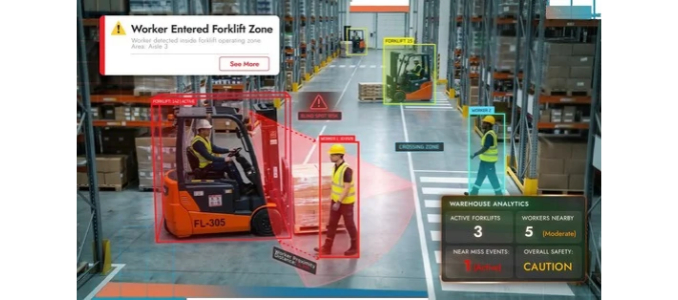
One of the most profound developments in this field is the transition from treating injury reports as mere documentation to utilizing them as strategic intelligence. In the traditional model, an injury report served as a historical record for Workers’ Compensation claims. In the contemporary, intelligence-driven model, these reports function as diagnostic tools for the entire organization.
Statistical analysis of workplace injury trends often reveals systemic failures that are invisible at the individual level. For instance, a cluster of lumbar strain injuries might appear to be a series of unfortunate accidents when viewed in isolation. However, when aggregated by job function, time of day, and specific equipment usage, that same data may reveal a flaw in a specific lifting protocol, an issue with equipment maintenance, or a fatigue-related phenomenon caused by shift scheduling.

Industry analysts suggest that companies using integrated health data platforms can reduce the frequency of repeat injuries by up to 22% within the first 24 months of implementation. By shifting the conversation from "how do we treat this worker" to "why is this pattern occurring," employers transform the occupational health department from a cost center into a strategic asset that preserves human capital.
The Role of Preventive Intelligence
The proactive approach to occupational health is grounded in the "Hierarchy of Controls," a framework widely used in industrial hygiene. While traditional responses often focus on the bottom of the pyramid—Personal Protective Equipment (PPE) and administrative controls—a comprehensive workforce strategy aims for the top: elimination and substitution.
By utilizing granular data, safety managers can identify high-risk job functions before a catastrophic injury occurs. For example, a construction firm identifying a trend in repetitive shoulder strains among installers can implement early-intervention physical therapy programs or redesign tool handles to alleviate the stressor. This shift in perspective—viewing injuries as precursors to broader systemic issues—is the defining characteristic of the modern safety-conscious enterprise.
Addressing the Consistency Gap
Despite the technological advancements available, the challenge of maintaining "consistent access" remains. Experts in the field argue that the solution is not the elimination of physical clinics, but rather their augmentation. Medical centers remain indispensable for diagnostics, complex physical therapy, and acute trauma stabilization.
However, the modern employer must supplement these brick-and-mortar facilities with a robust digital infrastructure. This includes:
- Tele-triage: Allowing employees to consult with occupational health nurses or physicians immediately following an incident to determine the level of care required.
- Mobile Diagnostic Units: Deploying specialized teams to job sites for on-demand testing, such as hearing conservation programs or ergonomic assessments.
- Interoperable Health Records: Ensuring that a worker’s health data is accessible to any provider within the company’s preferred network, regardless of the employee’s location at the time of injury.
Implications for Human Resources and Operations
The integration of occupational health into the broader workforce strategy has significant implications for both Human Resources (HR) and Operations management. HR departments are increasingly recognizing that health and safety are key components of employee retention and employer branding. A worker who feels supported through a distributed, accessible health system is statistically more likely to maintain a positive relationship with their employer.

From an operational standpoint, the financial implications are equally compelling. The "Total Cost of Risk" (TCOR) is significantly lowered when injuries are prevented rather than managed. Beyond the direct costs of medical treatment and indemnity payments, indirect costs—such as the loss of productivity, the cost of training replacement workers, and the potential for regulatory fines—can be three to five times higher than the direct costs of an injury.
Perspectives on Future Integration
Industry leaders and health policy experts emphasize that the next phase of this evolution will likely involve the widespread adoption of wearable technology and artificial intelligence (AI). "The ability to track biometrics in real-time allows us to move from predictive analysis to real-time intervention," says one senior safety consultant. "We are reaching a point where we can detect the early signs of physical fatigue or heat stress before a worker reaches the point of injury."
However, this increased reliance on data brings with it the necessity for strict adherence to privacy standards, such as HIPAA and the Americans with Disabilities Act (ADA). Employers must ensure that the pursuit of workplace health intelligence does not infringe upon the rights of the individual. Transparency in data collection and a clear focus on the wellness of the worker are essential for the success of these programs.
Conclusion
The restructuring of the American workforce requires a corresponding restructuring of the occupational health paradigm. The days of relying solely on a fixed clinic to manage the health of a mobile, distributed workforce are over. By embracing data-driven insights, investing in hybrid care models, and prioritizing preventive strategies, employers can not only mitigate the costs associated with workplace injuries but also foster a culture of safety and care. As the nature of work continues to change, the organizations that succeed will be those that view occupational health not as a legal obligation, but as a core component of their long-term operational strategy. The path forward is clear: the goal is to make the right care accessible, no matter where or when the work happens, turning the workplace itself into a laboratory for health, safety, and sustained productivity.