The Catalyst: Tinnitus Week 2026 and the Amplifying Awareness Report
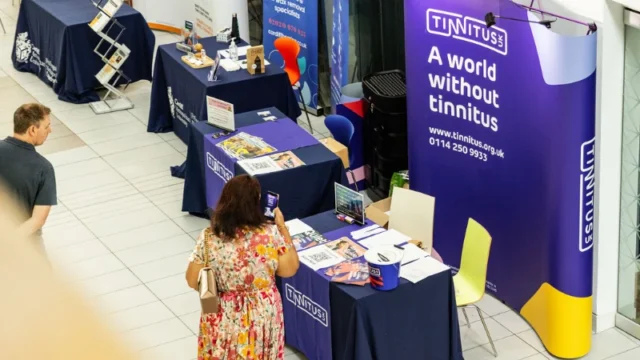
The current momentum traces back to February 2026, which marked a pivotal moment for hearing advocacy in the United Kingdom. During Tinnitus Week 2026, industry stakeholders launched the Amplifying Awareness report. This comprehensive document served as a diagnostic tool for the music industry, synthesizing data and testimonies from artists, venue managers, and concertgoers.

The report identified a critical gap between the desire for immersive sonic experiences and the awareness of the physiological risks posed by prolonged exposure to high sound pressure levels. Following the report’s publication, Tinnitus UK hosted a landmark event, the Quiet Night Out at London’s Union Chapel. This event was designed as a "proof of concept," demonstrating that through advanced sound system engineering and thoughtful venue management, it is possible to provide a high-fidelity concert experience while adhering to safety guidelines that prevent ear fatigue and long-term damage. This event served as the blueprint for subsequent interventions throughout the 2026 festival season.
Chronology of Intervention: From Iconic Stages to Independent Venues
The campaign’s progression throughout the year followed a deliberate, multi-tiered approach, targeting both massive mainstream events and independent, community-focused festivals.
- February 2026: Launch of Amplifying Awareness and the Quiet Night Out concert, setting the academic and practical agenda for the year.
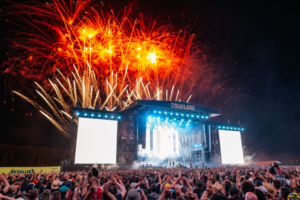
- June 2026: Engagement at Download Festival, where Tinnitus UK conducted outreach directly with the heavy metal and rock community, a demographic traditionally exposed to the highest sustained decibel levels.
- August 2026: The implementation of the World Health Organization’s (WHO) Global Standard for Safe Listening at ArcTanGent, in collaboration with the Manchester Centre for Audiology and Deafness (ManCAD).
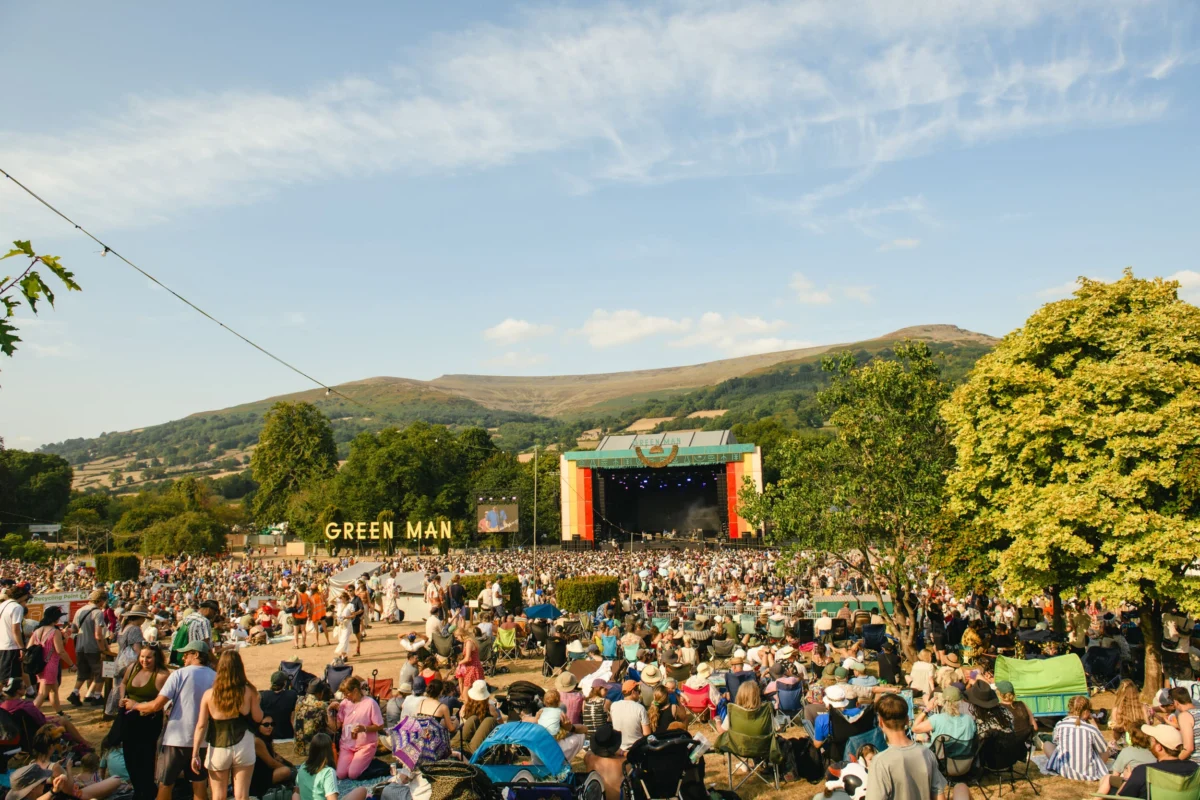
- August 2026: Strategic advocacy and educational outreach at Green Man Festival, focusing on the wider general audience.
- Late Summer 2026: Continued collaboration with Shambala Festival and Reading & Leeds, embedding safety protocols into the logistical fabric of large-scale event operations.
Data-Driven Insights: The Scope of the Challenge
The urgency of this initiative is underscored by sobering statistics. According to internal data collected by Tinnitus UK, the prevalence of post-concert auditory symptoms is alarmingly high. Approximately 92% of regular gig-goers report temporary ringing in their ears—a condition known as tinnitus—following a performance. More concerning is the finding that 40% of these individuals experience this ringing persistently, suggesting that for a large portion of the music-loving population, the damage is already accumulating.
Dr. Samuel Couth, a lecturer at ManCAD, has been at the forefront of translating these statistics into actionable policy. During the ArcTanGent trials, researchers monitored sound levels, evaluated sound system dispersion, and assessed the availability of quiet zones. The objective was to see how the WHO Global Standard for Safe Listening—which emphasizes controlling the "dose" of sound rather than just the peak volume—could be implemented without stripping the performance of its emotional or physical impact. The data suggests that by optimizing speaker placement and providing high-fidelity, filtered earplugs, the "detail and balance" of the music are actually enhanced for the listener, rather than dampened.
Official Responses and the Industry Consensus
The response from festival organizers has shifted from caution to active collaboration. Shambala Festival, recognized for its commitment to community and creative expression, has integrated specific safety measures for staff and attendees alike. Their policy includes mandatory hearing protection for crew working in high-decibel areas, clear warning signage, and the implementation of mandatory rest intervals.
In a formal statement, the Shambala organizing team noted, "Music is at the heart of what we do. Looking after our hearing means we can keep enjoying, and making, music for years to come. We want to emphasize that throwing yourself into live music and protecting your ears can absolutely go hand in hand."
This sentiment is echoed by long-term concertgoers who have experienced the cumulative effects of noise exposure. One festival attendee shared their experience: "After decades of attending events, I developed mild tinnitus. By consistently wearing ear protection and maintaining a safe distance from speaker stacks, I have not only prevented the ringing from worsening but have actually found that I can focus more on the intricate details of the music I am creating."
Broader Implications: Redefining the Live Music Experience
The shift toward safer listening represents a paradigm change in how live music is consumed. For decades, the "loudest is best" mentality dominated, often leading to sound systems being pushed beyond their optimal ranges. The current trend toward "safe listening" is not a call to silence or a request to lower the volume to background levels; rather, it is a move toward sonic quality and responsible management.
High-fidelity earplugs, which reduce sound pressure levels uniformly across the frequency spectrum, allow fans to hear the music as the artist intended without the muffled, distorted experience associated with cheap foam plugs. Furthermore, the push for "quiet areas" within festival grounds acknowledges that the human ear needs periods of recovery to process high-intensity stimuli.
As this movement gains traction, the implications for the wider industry are significant. Insurance requirements, health and safety regulations, and artist contracts may soon reflect these standards as a default requirement rather than an optional add-on. By treating hearing health as a fundamental aspect of the "live music product," organizers are ensuring that the industry remains sustainable.
The goal remains clear: to transform the culture of live music from one of attrition to one of longevity. By empowering attendees with information and providing the necessary infrastructure, the UK live music industry is demonstrating that the future of performance is not just about being louder—it is about being smarter. The ultimate objective is for concertgoers to leave a venue with their passion for music intact and their hearing protected, ensuring they can return to the front row for decades to come. As the data suggests, the most effective way to save the music is to save the ears that hear it.