Microtia, characterized by an underdeveloped or absent outer ear, and atresia, the absence or closure of the ear canal, frequently occur together. When these conditions manifest unilaterally, they result in unilateral hearing loss (UHL) or single-sided deafness (SSD). For years, medical and educational systems often minimized the impact of UHL, operating under the misconception that a single "good" ear was sufficient for a child’s development. Modern research, however, has dismantled this assumption, revealing that children with UHL face significant hurdles that can hinder academic and social growth.
Defining the Challenges of Unilateral Hearing Loss
The implications of UHL are most pronounced in complex auditory environments, such as a noisy classroom or a crowded social setting. Unlike individuals with bilateral hearing, those with UHL struggle with sound localization—the ability to identify the direction from which a sound originates. This deficit can lead to safety concerns and social isolation, as children may struggle to identify which peer is speaking or where a teacher is positioned.
Furthermore, children with UHL experience "listening fatigue." Because their brains must work significantly harder to filter background noise and isolate speech signals, they often exhaust their cognitive energy by midday. This fatigue manifests in increased irritability, decreased concentration, and academic underperformance. Clinical studies have shown that students with UHL are more likely to repeat a grade and require additional classroom support compared to their peers with typical hearing. By the time many children reach elementary school, the cumulative effect of these listening barriers can impact their confidence and self-esteem.
The Evolution of Listening and Spoken Language (LSL) Education
In response to these challenges, the field of Listening and Spoken Language (LSL) education has emerged as a gold-standard approach for supporting children with hearing loss. LSL is a therapeutic and educational framework that focuses on maximizing the use of residual hearing through technology—such as bone-conduction hearing devices—combined with rigorous auditory training.
The core philosophy of LSL is to teach the brain to interpret sound, allowing the child to use their hearing as the primary pathway for learning language. This approach is not merely about amplification; it is about coaching the child and their family to navigate a world that is not optimized for those with hearing differences. Institutions like Listen and Talk have pioneered these methods, integrating audiology, early intervention, and specialized classroom environments to ensure that a diagnosis of microtia atresia does not equate to a limitation on a child’s potential.
A Chronology of Care: The Case of Adeline
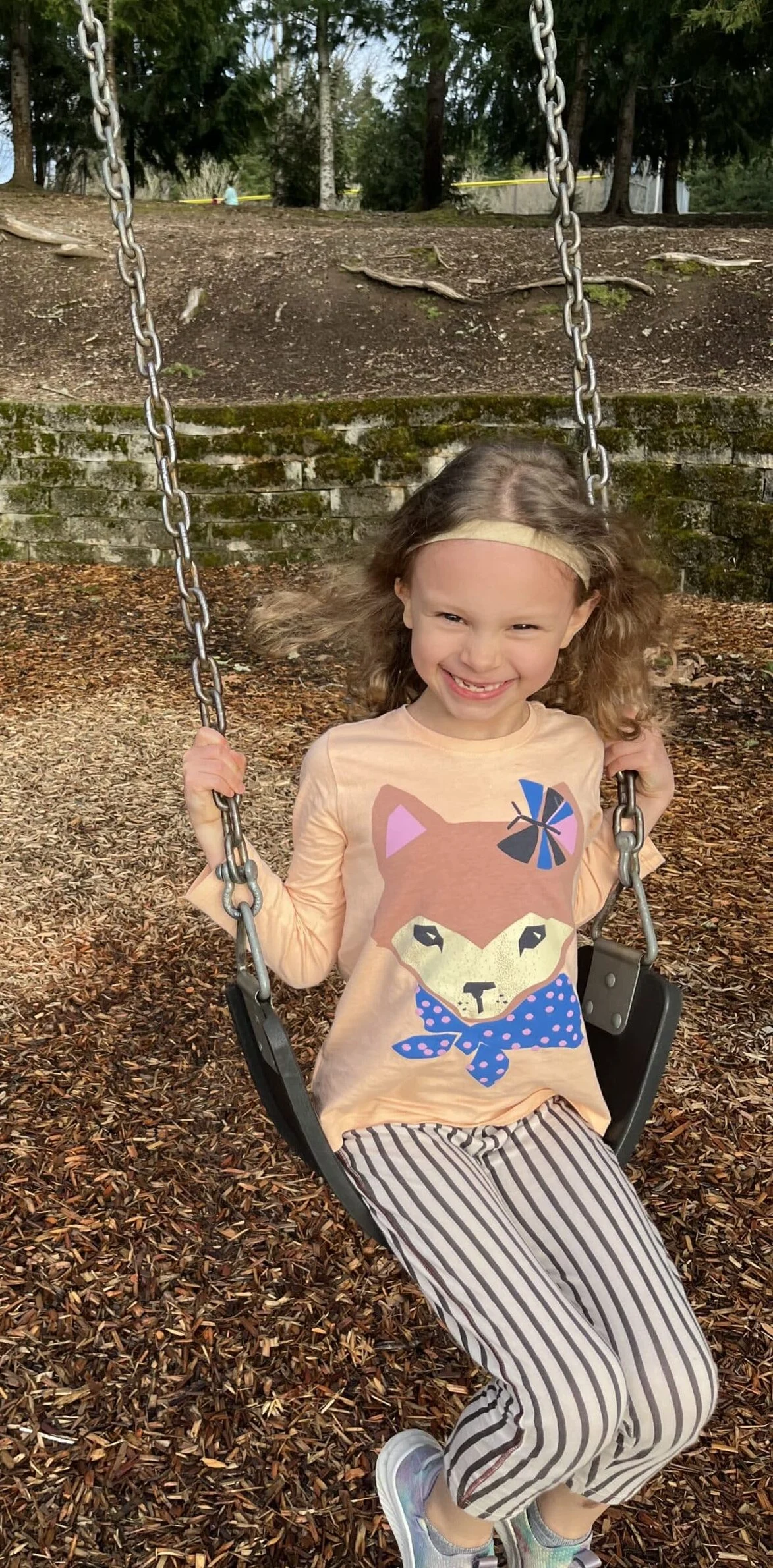
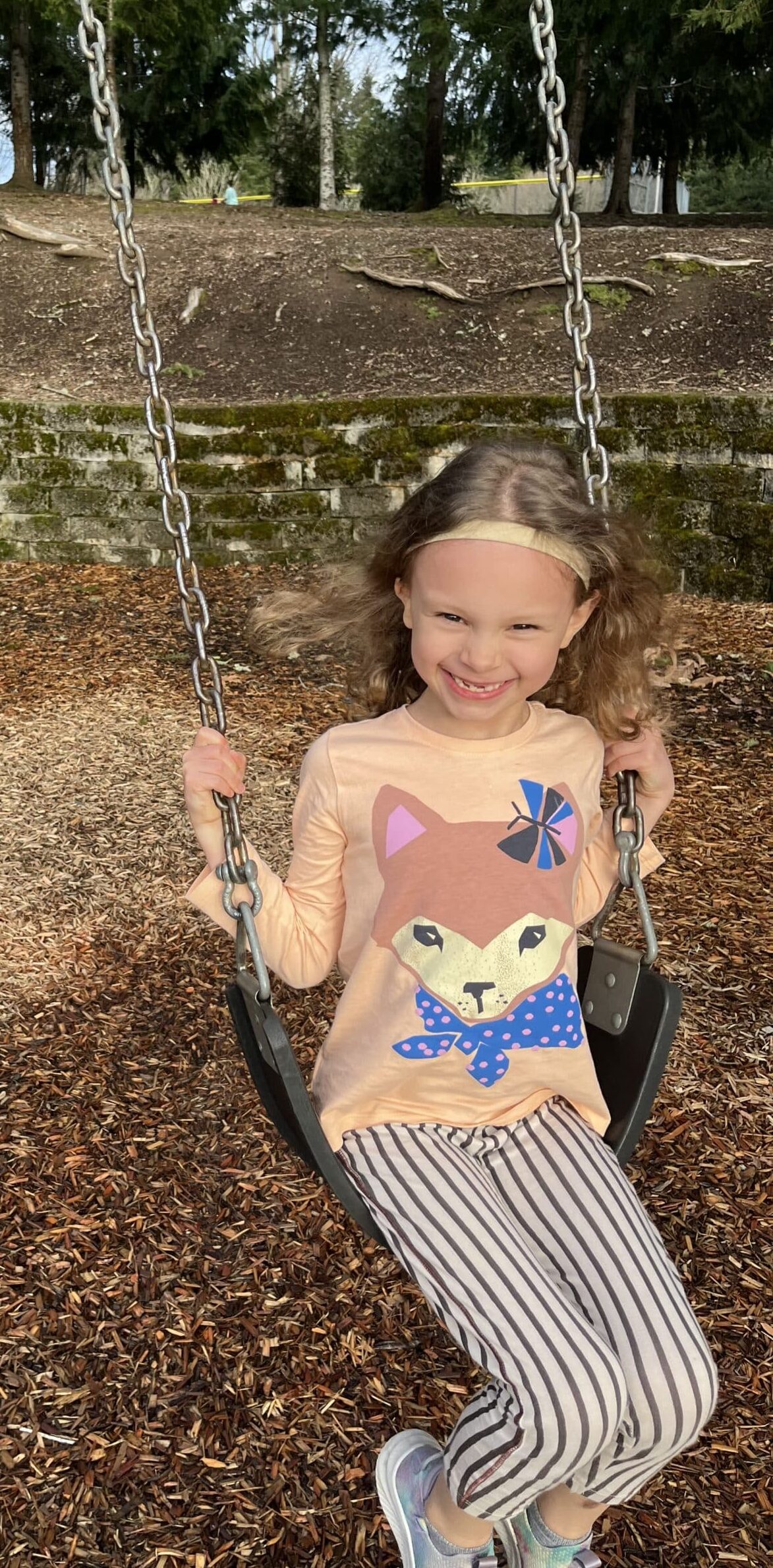
The journey of Adeline, a young student who received support from Listen and Talk, offers a clear illustration of how early intervention transforms outcomes. Adeline’s journey began at five weeks of age when her parents received the initial diagnosis of unilateral moderate to severe conductive hearing loss in her right ear. This early detection was the first step in a long-term strategy of support.
By age four, diagnostic imaging confirmed the presence of solid bone where the ear canal should be, with the middle ear bones fused to the skull—a clinical presentation of atresia. Throughout these early years, Adeline’s parents worked closely with specialists to navigate the complexities of her condition. Adeline’s mother, Jessie, recalls the initial period as one of immense uncertainty. "Adeline had to work much harder to communicate and learn," Jessie notes. "She struggled to localize sound and avoided communication outside of her safe spaces. She experienced significant frustration when her needs were misunderstood and battled daily with the exhaustion of listening fatigue."
The intervention process was multifaceted. Initially, the organization provided the parents with the necessary vocabulary and systemic knowledge to advocate for their daughter. As Adeline aged, the focus shifted toward empowering her to be her own advocate. Today, as a thriving first-grade student, Adeline’s progress is a testament to the efficacy of the LSL model. She participates in choir, excels in reading, and engages with her peers with a high degree of confidence. Her ability to discuss her "little ear" and her bone-conduction technology (Ponto) demonstrates a level of self-assurance that was once unattainable.
Analytical Implications and Broader Support Systems
The success of the LSL approach carries broader implications for public health policy and school funding. Data suggests that early intervention services for children with hearing loss yield significant long-term economic and social benefits. By investing in speech therapy, audiology, and parent education during the critical "birth-to-three" window, society reduces the future need for special education services and improves the likelihood of independent adult living.
Organizations such as Washington Hands and Voices serve as vital hubs for families navigating these diagnostic paths. By connecting parents with peer support and local resources, these groups help demystify the medical system. For many families, the "next steps" involve a transition from medical diagnosis to active participation in educational programming. This transition is critical; a child’s brain is most plastic during the first few years of life, making the timing of intervention a primary determinant of language acquisition success.
Funding the Future: The Necessity of Ongoing Advocacy
As we observe National Microtia Atresia Awareness Day, the call for support remains urgent. Social impact enterprises, such as the programs offered by Listen and Talk, rely heavily on charitable contributions to maintain high-quality audiology testing, parent education, and classroom resources. Without such funding, many families might be left to navigate the complexities of insurance and healthcare alone, potentially missing the window for optimal early intervention.
The vision that "no child is limited by hearing loss" is a standard that requires ongoing commitment from both the public and private sectors. By funding direct services, donors are not just paying for a therapy session; they are investing in the developmental foundation of a child like Adeline. As awareness of microtia atresia continues to broaden, the objective remains clear: to ensure that every child, regardless of their hearing status, has access to the tools required to learn, speak, and thrive. Through a combination of early diagnostic vigilance, the implementation of LSL strategies, and robust community advocacy, the barriers once thought to be insurmountable are being dismantled, one conversation at a time.