

A Strategic Response to Labor Vulnerabilities
The $34.9 million infusion is specifically earmarked for community-based organizations (CBOs) that act as trusted intermediaries between state regulatory bodies and the workforce. By utilizing these local entities, the DIR aims to bridge the gap that often exists between complex state labor laws and the daily reality of workers in industries such as agriculture, construction, and manufacturing.
This initiative is particularly focused on under-resourced regions that historically experience higher rates of labor violations. Specifically, the Central Coast, the San Joaquin Valley, and Imperial County have been identified as primary beneficiaries of the new outreach efforts. These regions are characterized by heavy reliance on agricultural labor, where extreme heat and language barriers can create significant obstacles to maintaining safe working environments. The funding will support direct outreach programs, on-site safety trainings, and the dissemination of multilingual safety guides tailored to the specific demographics of these areas.
The Evolution of the California Workplace Outreach Project
The origins of the CWOP can be traced back to the onset of the COVID-19 pandemic in 2021. Originally conceived as an emergency response measure to ensure that essential workers—many of whom were operating in high-risk environments—understood their rights and safety requirements, the program quickly proved its efficacy.
When the project first launched, it engaged 61 community partners to disseminate health information and pandemic-related safety protocols. Since then, the program has grown exponentially, evolving into a robust network that now includes over 100 grantee organizations. To date, the project has successfully reached more than 2 million workers and employers. A defining feature of this success has been the commitment to linguistic accessibility; educational materials are now available in 42 languages, including 11 distinct Indigenous languages, acknowledging the diverse linguistic backgrounds of California’s workforce.

Chronology of Implementation
The trajectory of the CWOP reflects the state’s broader shift toward proactive, rather than reactive, labor enforcement.
- 2021: The California Department of Industrial Relations launches the initial iteration of the CWOP as a pandemic-response pilot, focusing on public health education for essential workers.
- 2022: Given the success of the pilot, the state integrates the project into its permanent labor enforcement strategy, broadening the scope to include wage theft and standard workplace safety.
- 2023: The project expands its geographical reach, incorporating more rural counties and intensifying efforts to address climate-related safety risks.
- 2026 (September): The state formalizes the latest $34.9 million allocation, timed to coincide with national Labor Rights Week, marking a transition toward long-term institutional stability for the project.
Community-Based Outreach Tactics
The efficacy of the CWOP lies in its grassroots methodology. Rather than relying solely on top-down communication from government offices, the project utilizes the established trust between community organizations and the workers they represent.
Grassroots partners engage in a variety of high-impact activities, including door-to-door outreach in residential clusters where immigrant workers may reside, hosting resource fairs at transit hubs, and conducting specialized safety trainings in high-traffic community spaces. Furthermore, these organizations are often the first to arrive on the scene during localized disasters. For example, in the aftermath of wildfires, grantees are tasked with distributing critical information regarding hazardous material exposure and the specific legal protections available to immigrant workers who might otherwise fear retaliation for seeking help.
Extreme heat remains a centerpiece of these outreach efforts. With California’s record-breaking summer temperatures becoming the new baseline, the program emphasizes the "three pillars" of heat safety: mandatory access to water, regular shade breaks, and comprehensive emergency procedures. Grantees conduct on-the-ground training to ensure that both workers and supervisors understand the legal requirements mandated by Cal/OSHA, moving the conversation from general safety to actionable, life-saving compliance.
Coordination During Labor Rights Week
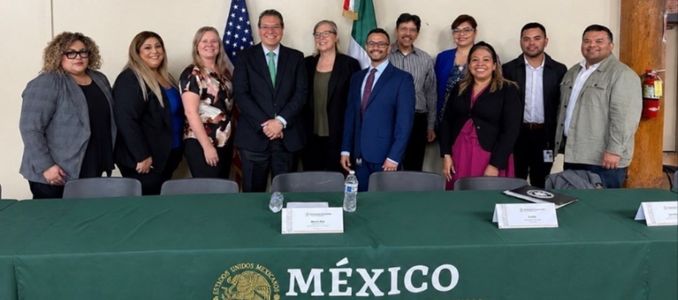
The announcement of this funding was strategically synchronized with nationwide Labor Rights Week events. This alignment allowed the DIR to showcase a unified front, featuring officials from Cal/OSHA, the Labor Commissioner’s Office, and the Division of Workers’ Compensation.
These representatives collaborated with local consulate offices to host a series of virtual and in-person workshops. By bringing together consular officials and state regulators, the project provides a sense of security for foreign-born workers, reinforcing the message that labor laws in California protect all workers, regardless of their immigration status. This collaborative approach is vital for fostering a culture of compliance where workers feel empowered to report hazards without the fear of negative repercussions.

Broader Implications and Economic Analysis
The allocation of nearly $35 million for outreach is not merely an expenditure but an investment in the state’s economic stability. Workplace injuries and labor disputes result in significant costs to the state—ranging from medical expenses and workers’ compensation claims to the loss of productivity associated with workplace shutdowns.
From a regulatory standpoint, the CWOP serves as a force multiplier. State inspectors, despite their best efforts, cannot be everywhere at once. By equipping community organizations with the resources to educate workers and employers, the DIR effectively shifts the burden of compliance awareness to the front lines. This proactive stance is expected to decrease the number of preventable workplace accidents and lower the incidence of wage theft, which often stems from a lack of understanding regarding legal entitlements.
Furthermore, the focus on 42 different languages serves as a testament to the demographic reality of the California workforce. By providing information in Indigenous languages, the state is addressing a long-standing oversight that has historically left certain segments of the population vulnerable to exploitation. This inclusive approach not only improves safety metrics but also enhances the overall trust in state government systems.

Expert Perspectives on Labor Rights
Labor economists and workplace safety advocates have long argued that the most effective way to curb labor abuses is through education at the point of impact. While the legal framework in California is among the most stringent in the nation, the "enforcement gap"—the distance between what is written in law and what occurs on the job site—remains a significant hurdle.
"The success of the CWOP demonstrates that workers are eager to comply with safety standards when they have the resources and the language support to do so," noted an anonymous representative familiar with the project’s rollout. "By funding these community groups, the state is effectively creating a safety net that is both culturally competent and geographically accessible."
Future Outlook
As the program enters this new phase of funding, the challenge will be to maintain the momentum and quality of the outreach. With over 100 grantee organizations now participating, the logistical complexity of managing such a network is substantial. The DIR has indicated that it will continue to provide oversight to ensure that funds are being used effectively and that the educational materials remain current with the latest regulatory updates.

The shift toward a permanent, well-funded outreach model signals that California views worker rights as a core pillar of its social contract. By prioritizing education, the state is positioning itself to handle the dual pressures of an aging workforce and an increasingly precarious climate, ensuring that the labor market remains both fair and resilient in the face of future challenges.
Ultimately, the $34.9 million investment reflects a commitment to the idea that workplace safety is not a luxury but a fundamental right. Through the ongoing expansion of the California Workplace Outreach Project, the state is reinforcing its role as a leader in labor protection, setting a standard that other jurisdictions may eventually follow. As the project continues to grow, the data collected from these outreach efforts will likely serve as a blueprint for future labor policy, providing insights into the most effective ways to protect the modern workforce in a rapidly changing global economy.