The Persistent Threat of Mechanical Hazards
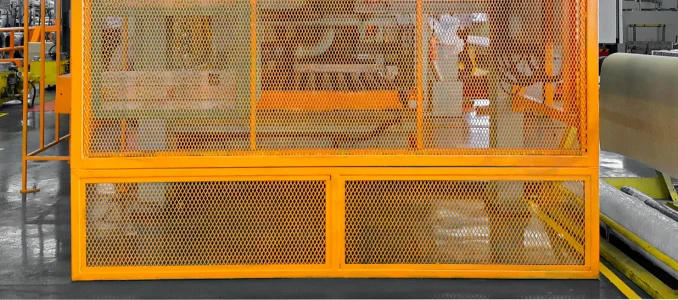
Industrial machinery remains a leading source of workplace fatalities and debilitating injuries. According to data from the Bureau of Labor Statistics (BLS), thousands of workers suffer from amputations, lacerations, and crushing injuries annually due to inadequate machine guarding. These incidents often occur at the "point of operation"—the area where the machine performs its task—or through exposure to rotating parts, in-running nip points, and flying debris.
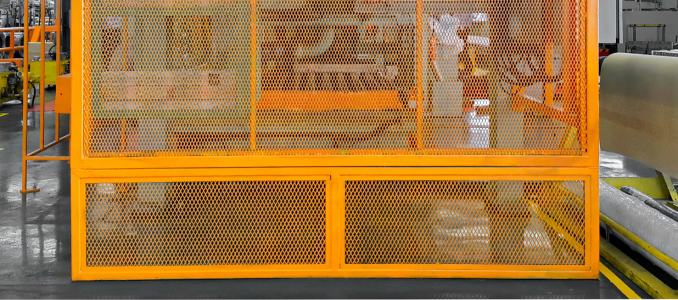
The L&I initiative serves as a proactive intervention to bridge the gap between purchasing equipment and ensuring it is operational in a manner that complies with the Washington Administrative Code (WAC). Too often, employers assume that new machinery is "safe out of the box," failing to account for the specific environmental and procedural variables of their own shop floors. By emphasizing a rigorous evaluation process, L&I aims to reduce the reliance on reactive enforcement and shift the industry toward a culture of preventive design.
Chronology of Regulatory Emphasis
The November announcement follows a series of state-led efforts to modernize workplace safety protocols. Over the past decade, Washington L&I has observed a cyclical increase in machine-related injuries during periods of high industrial expansion, where pressure to meet production quotas often outpaces the time allocated for safety retrofitting.
- 2023 Fiscal Year: L&I identified machine guarding violations as one of the most frequently cited categories during unannounced safety inspections, prompting a review of existing educational materials.
- Early 2024: The agency began gathering data on emerging technologies, including robotic integration and automated conveyor systems, which present unique guarding challenges compared to traditional mechanical presses.
- November 2024: The current campaign launch, marked by the release of the Machine Safety Checklist and an overhaul of the agency’s digital portal, provides employers with a streamlined toolkit for hazard identification.
Analyzing the Machine Safety Checklist
The newly released checklist is not merely a summary of legal requirements but a functional guide for shop floor managers and safety officers. It encourages a step-by-step audit of the facility. Key focal points include:

- Point of Operation Guarding: Determining if physical barriers are sufficient to prevent any part of the operator’s body from entering the hazard zone.
- Power Transmission Apparatus: Ensuring that flywheels, pulleys, belts, and chains are enclosed or guarded to prevent entanglement.
- In-Running Nip Points: Evaluating the risks posed by rollers or gears that pull materials—or appendages—into the mechanism.
- Emergency Stop Mechanisms: Confirming that E-stops are accessible, functional, and clearly marked, and that they perform an immediate, reliable shutdown of the machinery.
- Integration of Safety Interlocks: Verifying that machines cannot operate if guards are removed or if safety sensors are compromised.
The agency emphasizes that these checks should occur not only during the commissioning of new equipment but as part of a recurring maintenance schedule. Wear and tear on guards can render them ineffective, and unauthorized modifications by employees seeking to "speed up" production are common contributors to preventable accidents.
Expert Consultations: The No-Cost Safety Net
A significant component of L&I’s strategy is the promotion of its Division of Occupational Safety and Health (DOSH) consultation services. Recognizing that small and medium-sized enterprises (SMEs) may lack the budget for third-party safety auditors, L&I offers these worksite visits free of charge.
These consultations are explicitly designed to be confidential and distinct from the agency’s enforcement arm. Safety experts conduct walkthroughs with the employer, identifying hazards that might otherwise go unnoticed. This collaborative approach allows business owners to rectify violations without the immediate threat of punitive fines, provided that they commit to correcting the identified hazards within a reasonable timeframe. By lowering the barrier to entry for safety compliance, L&I intends to increase the number of businesses actively managing their risk profile.

Economic and Human Implications
The human cost of machinery accidents is immeasurable, but the economic impact on Washington’s industrial sector is well-documented. Beyond the immediate workers’ compensation claims, businesses face significant indirect costs, including production downtime, the loss of skilled labor, training costs for replacement staff, and potential legal liabilities.
Furthermore, a workplace perceived as unsafe suffers from higher employee turnover and difficulty in recruitment. As the labor market remains competitive, firms that prioritize safety are finding it easier to retain experienced operators. The L&I checklist acts as a risk management tool that protects the employer’s bottom line as much as it protects the worker’s physical well-being.
Official Stance and Industry Response
While the Washington State Department of Labor & Industries provides the regulatory framework, the responsibility for implementation lies with the employer. Safety advocates and industry associations have generally welcomed the move, noting that clearer guidance reduces the ambiguity often associated with complex safety regulations.

"The goal is to move beyond mere compliance and toward a system of inherent safety," remarked one industrial safety consultant familiar with the new guidelines. "When an employer uses a checklist to evaluate a machine before it is even bolted to the floor, they are effectively designing out the risk. That is the gold standard of occupational health."
However, there is an ongoing challenge regarding the "legacy equipment" problem. Many facilities operate machinery that is decades old, predating modern safety standards. These machines often lack built-in interlocks and require complex, custom-engineered guarding solutions. The L&I bulletin suggests that for such equipment, employers must consult with manufacturers or professional engineers to ensure that modifications do not interfere with the machine’s structural integrity or performance, adding a layer of complexity to the compliance process.
Moving Toward a Culture of Safety
As Washington enters the winter season, which often brings different operational pressures and staffing challenges for industrial facilities, the push for machine safety is timely. The agency is directing employers to the updated Machine Safety web page, which serves as a central repository for training resources, video tutorials, and links to relevant administrative codes.

The effectiveness of this campaign will likely be measured by the reduction in machine-related injury reports over the coming fiscal year. By focusing on the intersection of procurement, maintenance, and expert consultation, L&I is attempting to build a sustainable safety infrastructure. For the individual employer, the message is clear: the cost of a safety audit is negligible compared to the catastrophic costs of a preventable workplace incident.
Employers interested in scheduling a consultation or accessing the new resources are encouraged to visit the official Washington L&I website. By utilizing these state-provided tools, businesses can ensure that their operations remain both productive and safe, fulfilling their legal and ethical obligations to the workforce. As industrial technology continues to advance, the state’s commitment to providing accessible, actionable safety guidance will remain a cornerstone of its efforts to reduce occupational hazards across all sectors of the economy.