The Silent Epidemic: Understanding Noise-Induced Hearing Loss
Every day, the human ear is subjected to a wide spectrum of sound intensities. While ambient noise levels, such as those associated with normal conversation (approximately 60 decibels), are generally considered safe, exposure to louder environments, especially when frequent or prolonged, significantly elevates the risk of hearing damage. The World Health Organization (WHO) estimates that over 1 billion young people aged 12-35 years are at risk of hearing loss due to recreational noise exposure, highlighting the widespread nature of this challenge. In the United States, the Centers for Disease Control and Prevention (CDC) reports that roughly 40 million adults between the ages of 20 and 69 years exhibit signs of noise-induced hearing loss, making it one of the most common occupational and recreational health issues.
-
How Sound Damages the Ear: A Brief Scientific Overview
The intricate mechanism of hearing relies on thousands of delicate hair cells nestled within the cochlea of the inner ear. These cells convert sound vibrations into electrical signals that the brain interprets. Excessive noise, particularly at high decibel levels, can physically damage or destroy these hair cells. Unlike other cells in the body, damaged hair cells do not regenerate, meaning the hearing loss they cause is permanent. The louder the sound and the longer the exposure, the greater the potential for irreversible damage. -
Common Culprits: Decibel Levels and Exposure Risks
Numerous activities, often perceived as benign or enjoyable, can expose individuals to dangerously high noise levels. Understanding the decibel (dB) scale and safe exposure limits is crucial for prevention. The Occupational Safety and Health Administration (OSHA) mandates that workers not be exposed to noise levels exceeding 90 dBA over an 8-hour workday, with shorter permissible exposure times for higher decibel levels. Any exposure above 85 dBA for extended periods or above 120 dBA instantaneously can cause immediate and permanent harm.-
Recreational Activities:
- Concerts and Music Venues: Often reach 100-120 dBA, meaning even a short duration can be harmful.
- Personal Audio Devices: Listening at maximum volume can exceed 100 dBA, posing a significant risk, especially with prolonged use.
- Sporting Events and Racetracks: Crowds and engines can generate noise well over 100 dBA.
- Motorcycles and ATVs: Can expose riders to 90-100 dBA, particularly during extended rides.
-
Occupational Hazards:
- Construction Sites: Jackhammers (100-110 dBA), saws, and heavy machinery frequently expose workers to dangerous levels.
- Manufacturing and Industrial Settings: Assembly lines, presses, and industrial equipment can consistently produce noise over 90 dBA.
- Military Personnel and Law Enforcement: Training exercises, firearms, and tactical operations often involve impulse noise exceeding 140 dBA.
- Musicians and DJs: Prolonged exposure to amplified music is a common cause of NIHL in these professions.
-
Impulse Noise:
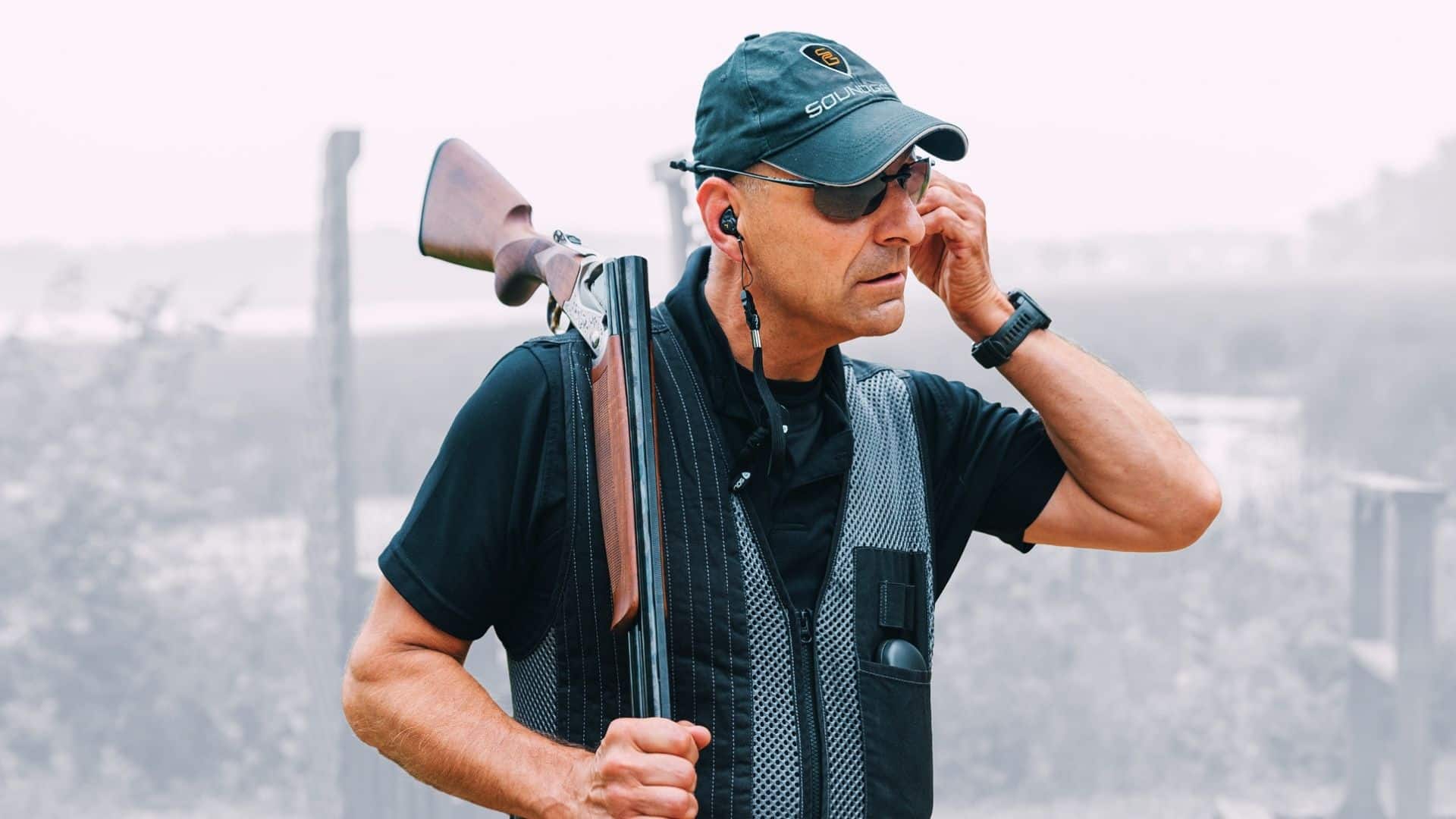
- Firearms: A single gunshot can register between 140 and 170 dBA, capable of causing instantaneous and irreversible hearing damage.
- Fireworks: Exploding fireworks can reach 140-150 dBA at close range.
It is a common misconception that hearing loss primarily affects older adults. While age-related hearing loss (presbycusis) is prevalent, noise-induced hearing loss can impact individuals of any age, including children and young adults, due to lifestyle and occupational exposures.
-
Recognizing the Early Warning Signs
The insidious nature of noise-induced hearing loss often means that its early warning signs are easily overlooked. Because the damage accumulates gradually over time, individuals may not immediately perceive a decline in their hearing acuity. Subtle indicators can include frequently asking others to repeat themselves, struggling to understand conversations in noisy environments such as restaurants or crowded rooms, or consistently needing to increase the volume on televisions, radios, or personal audio devices.
-
Key Symptoms and Their Impact:
Beyond difficulty with speech comprehension, some individuals may experience tinnitus, a persistent ringing, buzzing, or humming sensation in the ears. This condition, which can range from mild to severely debilitating, is often a direct consequence of inner ear damage from noise exposure. Another less commonly recognized symptom is auditory fatigue, where individuals feel exhausted after engaging in conversations or being in noisy environments due to the increased mental effort required to listen and process speech. While these symptoms may appear minor initially, they are crucial indicators that hearing damage has already begun and warrant professional attention. -
Long-Term Consequences Beyond Hearing: Cognitive Decline, Mental Health
Untreated hearing loss extends its impact far beyond auditory function. Research from institutions like Johns Hopkins University has linked untreated hearing loss to an increased risk of cognitive decline, including memory problems and an elevated risk of developing dementia. The constant strain of trying to hear and understand can divert cognitive resources that would otherwise be used for memory and executive function. Furthermore, the communication difficulties associated with hearing loss can lead to social isolation, withdrawal from activities, and contribute to mental health issues such as depression and anxiety. Addressing hearing loss proactively, therefore, has significant implications for overall cognitive health and emotional well-being.
Beyond Foam: The Evolution of Hearing Protection
For many years, the primary forms of hearing protection involved passive devices like foam earplugs or earmuffs. While these traditional methods are effective at reducing overall noise levels, they often do so indiscriminately, blocking out all sounds – including those that are essential for communication and situational awareness. This "disconnection" can be a significant drawback, particularly for individuals in professions or hobbies where remaining attuned to their surroundings is critical.
-
Limitations of Traditional Passive Protection:
Foam earplugs, while inexpensive and widely available, provide a uniform level of attenuation across all frequencies. This means that while harmful loud noises are reduced, quieter sounds like human speech, environmental cues (e.g., rustling leaves, approaching footsteps), or crucial warning signals are also significantly muffled. For hunters, shooters, law enforcement personnel, and outdoor enthusiasts, this can pose a safety risk, hindering their ability to communicate effectively or detect important auditory information. In industrial settings, the inability to hear machinery warnings or colleagues’ voices without removing protection can also compromise safety and efficiency. -
The Paradigm Shift: Introducing Electronic Hearing Protection:
The advent of electronic hearing protection represents a significant paradigm shift in how individuals can safeguard their hearing without sacrificing their connection to the world around them. Unlike their passive counterparts, electronic devices employ sophisticated technology to actively manage sound levels, providing a more intelligent and adaptable form of protection.
Situational Awareness Meets Superior Protection
Electronic hearing protection operates on principles that go beyond simple sound blocking. These advanced devices incorporate digital signal processing to analyze incoming sounds in real-time, offering a dynamic and nuanced approach to noise management.
-
How Electronic Devices Function:
- Sound Amplification: Many electronic hearing protectors feature internal microphones that can amplify soft sounds, such as conversations, footsteps, or animal movements, making them easier to hear. This is particularly beneficial in quiet environments where situational awareness is crucial.
- Automatic Noise Suppression/Compression: When a sudden loud noise, like a gunshot or a loud impact, occurs, the device’s circuitry instantly compresses or suppresses the sound to a safe listening level, often within milliseconds. This protects the delicate hair cells from peak sound pressure levels while allowing quieter sounds to remain audible.
- Directional Hearing: Some advanced models incorporate multiple microphones to provide directional sound input, allowing users to better pinpoint the origin of sounds, enhancing spatial awareness.
- Customizable Settings: Users can often adjust amplification levels, switch between different listening modes (e.g., for speech clarity, outdoor environments), and even connect via Bluetooth for phone calls or streaming audio, integrating communication and entertainment seamlessly.
-
Key Features and Benefits:
The result of these technological advancements is a more natural listening experience. Users can maintain clear communication with companions, hear essential environmental sounds, and react to critical auditory cues, all while their hearing is protected from damaging noise levels. This capability is invaluable in situations where safety, performance, and communication are paramount. -
Tailored Solutions for Diverse Needs:
The benefits of electronic hearing protection are particularly pronounced for specific user groups:- Hunters and Sport Shooters: They can amplify subtle game sounds while instantly suppressing the deafening report of a firearm, ensuring both protection and enhanced performance.
- Law Enforcement and Military Personnel: Crucial for clear communication in high-stakes environments, protecting against weapon discharge noise, and maintaining awareness of surroundings.
- Industrial Workers: Can hear warning signals and colleague instructions without removing protection, improving workplace safety and compliance with OSHA regulations.
- Musicians and Concert-goers: Preserve the fidelity of music while protecting against damaging decibel peaks.
- Outdoor Enthusiasts: Hikers, campers, and motorcyclists can protect their hearing from prolonged noise exposure while staying connected to their environment.
SoundGear’s Innovative Approach
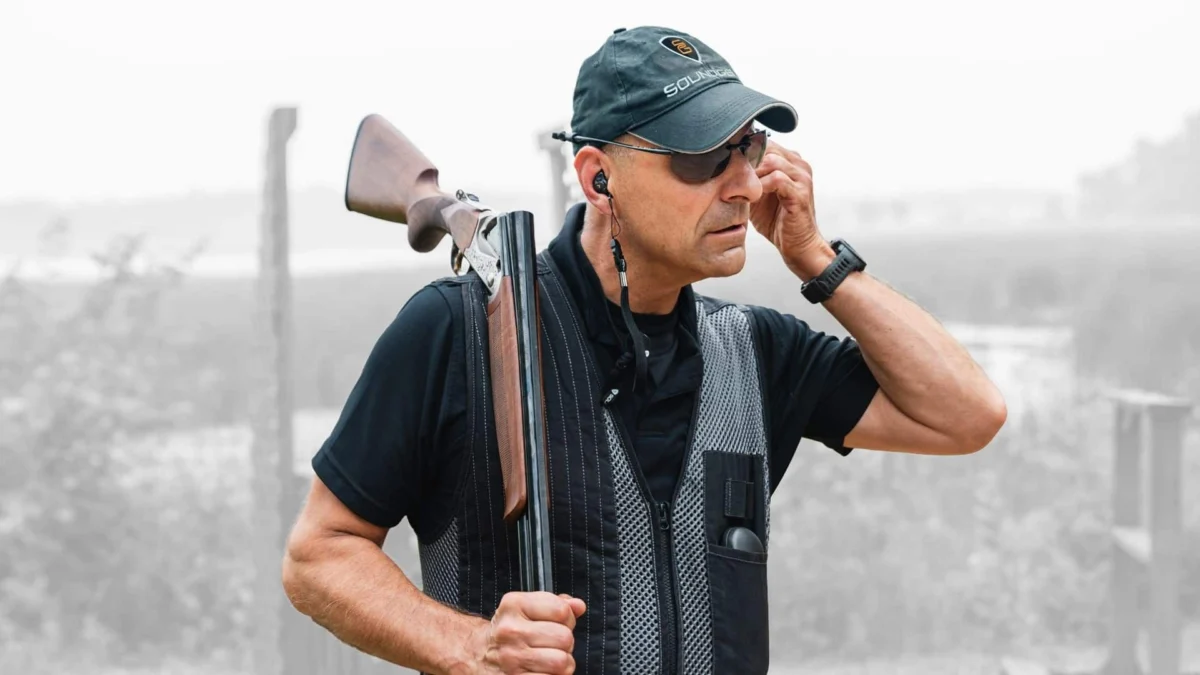
Companies like SoundGear are at the forefront of this technological evolution, offering advanced hearing protection solutions designed to meet the rigorous demands of modern users. Their product lines, such as Phantom and Shield, exemplify the commitment to innovation that allows individuals to remain engaged with their world while safeguarding their hearing.
-
Highlighting Specific Technologies:
SoundGear’s Phantom, for instance, often features a discreet, in-the-ear design with advanced digital processing that provides both dynamic noise suppression and sound enhancement. This allows for natural sound reproduction while instantaneously reacting to loud noises. The Shield series typically offers robust, over-the-ear solutions suitable for extreme noise environments, combining rugged durability with sophisticated electronic protection. These devices are engineered to offer high Noise Reduction Ratings (NRR) while ensuring critical sounds are still audible. -
Integration of Advanced Sound Processing:
The core of these technologies lies in their ability to differentiate between safe and harmful sounds. They employ algorithms that can identify impulse noise (like a gun blast) and compress it rapidly, while simultaneously amplifying quieter, important sounds (like speech or environmental cues). This intelligent processing means protection is not a trade-off for situational awareness but rather an enhancement of it.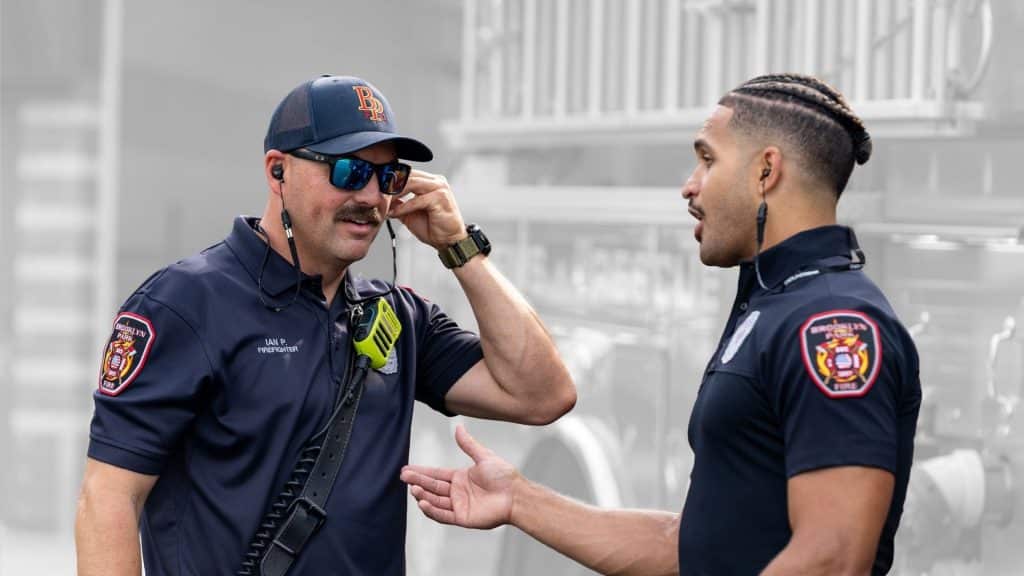
-
Expert Perspective:
Blaise Delfino, M.S. – HIS, Director of Professional Relations at Starkey, a leader in hearing healthcare, emphasizes the importance of these innovations. "In today’s dynamic world, hearing protection must evolve beyond mere sound blocking," Delfino states. "Solutions that intelligently adapt to the sound environment are no longer a luxury but a necessity. They empower individuals, whether on the job or pursuing a passion, to protect their auditory health without compromising their ability to communicate, react, and connect." This perspective underscores the industry’s shift towards patient-centric, technologically advanced solutions.
The Imperative of Proactive Hearing Health
The consequences of untreated hearing loss are extensive, impacting not only communication and confidence but also an individual’s overall quality of life. Once damage to the delicate hair cells of the inner ear occurs, it is irreversible. Therefore, taking proactive steps today to protect one’s hearing is not just advisable; it is an essential investment in long-term health and well-being. Whether an individual is at a shooting range, in the field, attending a high-decibel concert, or working in a noisy occupation, selecting the appropriate hearing protection is a fundamental aspect of personal health management.
-
Prevention as a Lifetime Investment:
Embracing preventative measures against noise-induced hearing loss means adopting habits and utilizing tools that mitigate risk. This includes being mindful of noise levels in daily life, limiting exposure to excessively loud sounds, and, crucially, consistently using effective hearing protection in high-risk environments. This foresight can help preserve auditory function for decades, allowing individuals to continue engaging fully with their social, professional, and recreational lives. -
The Role of Regular Screening and Professional Guidance:
Beyond active protection, regular hearing screenings are vital. Early detection of any hearing changes, even subtle ones, allows for timely intervention and guidance from hearing care professionals. These experts can recommend personalized protection strategies, educate on safe listening practices, and monitor auditory health over time, ensuring a holistic approach to hearing preservation. -
A Future with Enhanced Auditory Wellness:
The development of sophisticated electronic hearing protection marks a significant leap forward in preventative healthcare. It reflects a growing understanding that safety and engagement do not have to be mutually exclusive. By offering advanced solutions that provide superior protection while maintaining crucial situational awareness, companies like SoundGear are contributing to a future where individuals can enjoy their lives and pursuits without sacrificing the precious gift of hearing. These innovations empower users to make informed choices, fostering a culture of proactive auditory wellness that benefits individuals and society alike.