

The Onset and Initial Impact
Danielle’s experience began during a period of acute physical distress. While suffering from a severe toothache at age 18, she suddenly perceived a persistent ringing sound in both ears. This sudden, unprovoked auditory disruption caused immediate psychological shock. Unlike transient tinnitus, which can occur after loud noise exposure, this onset was constant and beyond her control.

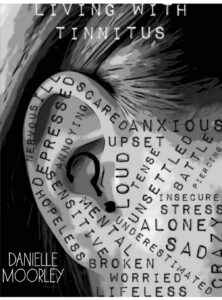
In the early stages, the physiological and psychological toll was severe. Tinnitus often triggers a hyper-alert state in the brain’s auditory processing centers, which can lead to sleep deprivation, anxiety, and a sense of being trapped. For Moorley, the lack of immediate clinical guidance exacerbated these symptoms. Research suggests that when patients feel unheard by medical professionals during their initial diagnostic journey, the prognosis for psychological adjustment is often poorer. For years, the absence of a clear treatment pathway left her feeling overwhelmed, struggling to navigate daily life as the condition encroached upon her mental well-being and energy levels.
The Role of Cognitive Behavioral Therapy
The turning point in Moorley’s trajectory arrived when she gained access to Cognitive Behavioral Therapy (CBT). Within the context of audiological medicine, CBT does not "cure" the sound itself, but rather addresses the patient’s cognitive and emotional reaction to the sound. By reframing the neurological response—learning that stress acts as a feedback loop that amplifies the perception of the ringing—Moorley was able to implement stress-management techniques that effectively broke the cycle of panic and sensory overload.
Medical literature supports this approach; studies indicate that while tinnitus is a physiological phenomenon, the severity of the disability associated with it is largely determined by the brain’s emotional response. By mitigating the "fight or flight" response, patients like Moorley are often able to habituate to the sound, relegating it to the background of their daily consciousness rather than keeping it at the forefront of their awareness.
Tinnitus UK and the Architecture of Support
The transition from isolation to community participation was facilitated by her engagement with Tinnitus UK. For many, the clinical environment offers a diagnosis, but it often fails to provide the social scaffolding necessary for long-term adaptation. Tinnitus UK functions as an intermediary, providing resources that range from evidence-based information on research to helplines that offer emotional validation.
For Moorley, the helpline served as a critical intervention. Connecting with someone who possessed a clinical understanding of the condition validated her experience, effectively dismantling the stigma and sense of alienation she had carried since her late teens. This emotional support provided the confidence to resume activities—such as attending concerts and social gatherings—that she had previously abandoned due to sensory overload and dizziness.
Broader Context: The Prevalence and Economic Impact of Tinnitus
Tinnitus remains a significant public health challenge in the United Kingdom and globally. According to data from the British Tinnitus Association (Tinnitus UK), approximately 7.1 million adults in the UK experience tinnitus, with roughly 10% of the population living with persistent, life-altering symptoms.

The economic implications are equally profound. The condition is frequently linked to increased rates of clinical depression, anxiety, and, in severe cases, suicidal ideation. When patients lack access to support networks, the burden on the National Health Service (NHS) often increases due to repeat consultations and related mental health complications. The "membership model" adopted by organizations like Tinnitus UK seeks to alleviate this burden by empowering patients with self-management tools and reducing the need for crisis-level intervention.
Chronology of Patient Advocacy
- Initial Onset (Age 18): Triggered by severe dental distress, the subject experiences the first onset of chronic, bilateral tinnitus.
- The "Isolation Phase": Years of struggle characterized by sleep disruption, low energy, and a lack of support from conventional healthcare pathways.
- Clinical Intervention: Engagement with Cognitive Behavioral Therapy (CBT) begins the process of neurological habituation and stress reduction.
- Community Integration: Discovery of Tinnitus UK, providing access to professional helplines and peer-support networks.
- Recovery and Advocacy: Resumption of pre-tinnitus lifestyle activities and formalization of involvement through organizational membership.
Implications for Future Care
The integration of patient-led organizations into the standard of care is increasingly viewed as an essential component of chronic illness management. For the audiology community, the lesson from Moorley’s story is clear: patients require more than just a hearing test or a dismissal of their symptoms as "something you have to live with."
The efficacy of support groups lies in the concept of "shared experience." When individuals realize that they are part of a demographic that is not only being studied but also being actively supported, the psychological barrier of the condition begins to lower. This shift allows for the pursuit of research-driven solutions, such as future pharmaceutical interventions or advanced neuromodulation, while providing immediate quality-of-life improvements through social connection.

The Value of Membership
Moorley’s decision to become a formal member of Tinnitus UK highlights the importance of patient agency. By contributing to the organization, she is not merely a recipient of services; she is an active participant in a movement that seeks to change the narrative around tinnitus. Her testimony reflects the broader goals of the organization: to provide a space where individuals can discuss the realities of living with the condition without the fear of judgment, and to advocate for the continued funding of research into potential cures.
For those currently navigating the early stages of tinnitus, the advice provided by those who have already habituated—such as Moorley—is consistent: seek support early, utilize evidence-based resources, and recognize that the condition, while persistent, does not have to dictate the quality of one’s life.
Conclusion
Danielle Moorley’s journey is emblematic of the thousands of people who navigate the invisible terrain of tinnitus each year. By moving from a position of profound isolation to one of community engagement, she has demonstrated that while the sound may persist, its impact can be drastically reduced through the combination of professional therapy and peer support. As Tinnitus UK continues its mission to advocate for better clinical pathways and increased research funding, the stories of its members remain the most powerful evidence of the necessity of their work. Through increased awareness and the dismantling of the stigma surrounding ear health, the hope is that future generations will not have to endure the same initial years of silence and confusion.