
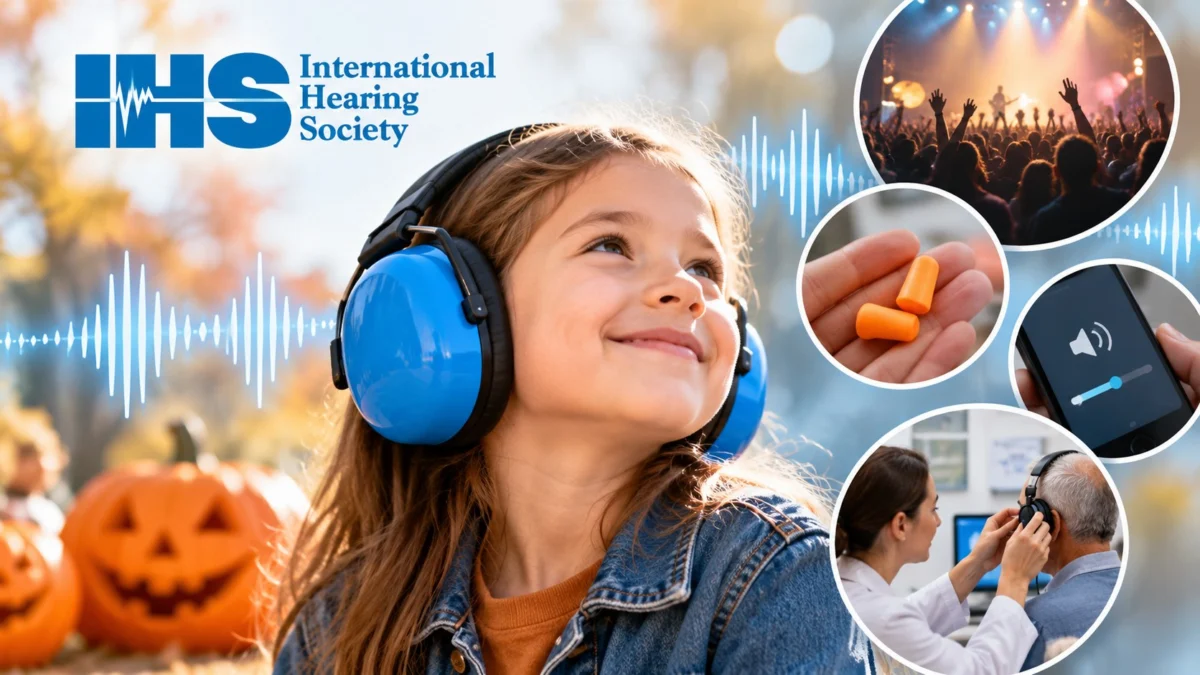
The scale of the issue is staggering and continues to grow at an alarming rate. According to comprehensive data released by the World Health Organization (WHO), an estimated 1.5 billion people across the globe currently contend with some degree of hearing loss. Projections paint an even more concerning picture for the future, with nearly 2.5 billion individuals—or one in four people—expected to experience some form of hearing impairment by the year 2050. A substantial portion of this burgeoning crisis is attributable to preventable causes, with noise exposure standing out as a primary, yet often overlooked, culprit. Recognizing this preventable component is central to the mission of National Protect Your Hearing Month, which aims to empower individuals with the knowledge and tools necessary to protect their hearing throughout their lives.
The Silent Erosion: Understanding Noise-Induced Hearing Loss
Noise-induced hearing loss is a cumulative and often irreversible condition resulting from damage to the delicate sensory hair cells within the inner ear (cochlea). These microscopic cells are responsible for converting sound vibrations into electrical signals that the brain interprets as sound. When exposed to excessively loud sounds, particularly over prolonged periods or at high intensities, these hair cells can become overstimulated, damaged, or even destroyed. Unlike other cells in the body, these auditory hair cells do not regenerate, meaning any damage sustained is permanent.
The severity of NIHL depends on two critical factors: the intensity (loudness) of the sound, measured in decibels (dB), and the duration of exposure. While a sudden, extremely loud impulse sound—such as an explosion or gunshot—can cause immediate and profound damage (acoustic trauma), more commonly, NIHL develops gradually over years of repeated exposure to sounds that, while not acutely painful, exceed safe listening thresholds. For instance, prolonged exposure to sounds above 85 decibels, roughly equivalent to heavy city traffic, is known to cause permanent hearing damage. For every 3 dB increase above this threshold, the safe listening time is halved. This means that a sound at 88 dB is safe for only four hours, 91 dB for two hours, and a typical rock concert at 100-110 dB can cause damage in as little as 15 minutes to 1 minute of exposure. Other common sources of harmful noise include power tools, recreational vehicles, loud music played through personal listening devices, industrial machinery, and even some household appliances.
Beyond hearing loss, prolonged noise exposure is also a leading cause of tinnitus, a persistent ringing, buzzing, hissing, or roaring sound in the ears that can significantly impair quality of life, leading to sleep disturbances, concentration difficulties, and psychological distress. The insidious nature of NIHL, often progressing without immediate noticeable symptoms, means that by the time individuals recognize a problem, significant and irreversible damage may have already occurred. This underscores the importance of proactive prevention and regular monitoring.
A Historical Perspective on Hearing Health Awareness
While the problem of hearing loss has existed throughout human history, formalized public health campaigns specifically targeting noise-induced hearing loss are a more recent development. The mid-20th century saw growing recognition of occupational noise hazards, leading to the establishment of regulatory bodies like the Occupational Safety and Health Administration (OSHA) in the United States, which set permissible noise exposure limits for workplaces. The increasing prevalence of personal listening devices and louder recreational activities in recent decades further highlighted the need for broader public education.
National Protect Your Hearing Month in October serves as a critical annual anchor for these ongoing awareness efforts. While its exact genesis is not always pinpointed to a single date or organization, the concept aligns with broader public health initiatives designed to dedicate specific months to key health issues, drawing collective attention and resources. Organizations like the International Hearing Society have been instrumental in advocating for such awareness campaigns, leveraging their expertise and global network of hearing healthcare professionals to disseminate vital information and encourage preventive behaviors. This annual focus allows for a coordinated effort to remind the public about risks and solutions, reinforcing messages across various media and community platforms.
Strategic Safeguards: Reducing the Risk of NIHL
The International Hearing Society, drawing upon recommendations from the WHO’s "Make Listening Safe" initiative, emphasizes several practical and effective strategies to minimize exposure to harmful noise levels. These guidelines are designed to be integrated into daily life, offering a roadmap for individuals to protect their auditory health:
-
Reduce Volume: This is perhaps the most straightforward measure, particularly relevant in an era dominated by personal listening devices. The "60/60 rule" is a widely recommended guideline: listen at no more than 60% of the maximum volume for no longer than 60 minutes at a time, followed by a listening break. Many smartphones and media players now offer volume limiters or warnings when sound levels are too high, which users are encouraged to utilize. Furthermore, simply turning down the volume of televisions, radios, and other audio systems in shared spaces can significantly reduce ambient noise.
-
Increase Distance from the Sound Source: Sound intensity diminishes rapidly with distance. Moving away from loudspeakers at concerts, sporting events, or noisy machinery can dramatically reduce the decibel level reaching the ears. Even a few feet can make a significant difference, demonstrating the principle that the further one is from the source of the noise, the less intense the sound will be.
-
Use Appropriate Hearing Protection: In situations where loud sound is unavoidable, such as at live music events, motor racing, shooting ranges, or during the use of power tools, effective hearing protection is indispensable.
- Foam Earplugs: Inexpensive and widely available, these can reduce noise by 20-30 dB when properly inserted.
- Reusable Earplugs: Often made of silicone or rubber, these are more durable and come in various designs, including filtered options that reduce overall volume while maintaining sound clarity, making them popular for musicians and concertgoers.
- Earmuffs: Providing robust protection, earmuffs fit over the entire ear and are particularly effective for very loud environments like industrial settings or shooting ranges. They often have higher Noise Reduction Ratings (NRR) than earplugs.
Understanding the NRR on hearing protection products is crucial, as it indicates the level of noise reduction the device provides.
-
Take Listening Breaks: Even with moderate noise exposure, giving the ears a rest is vital. Taking short breaks from noisy environments allows the auditory system to recover and reduces cumulative exposure. This might involve stepping away from a loud room for a few minutes, turning off music, or simply enjoying periods of quiet throughout the day.
The emphasis on these preventative measures is a cornerstone of National Protect Your Hearing Month. By integrating these habits into daily routines, individuals can significantly reduce their lifetime risk of developing NIHL and its associated complications.
The Indispensability of Regular Hearing Checks
Beyond prevention, the International Hearing Society strongly advocates for proactive monitoring of hearing health through regular professional evaluations. Just as routine eye exams and dental check-ups are standard components of comprehensive health maintenance, annual hearing evaluations are equally vital. Michael Andreozzi, BS, BC-HIS, President of the International Hearing Society, articulates this imperative clearly: "Hearing is one of those senses that everybody needs to pay close attention to — no different than your eyes and vision. We suggest that people have their hearing evaluated once a year."
The rationale behind this recommendation is multi-faceted. Hearing loss often develops gradually, making it difficult for individuals to perceive changes in their own hearing over time. The brain’s remarkable ability to adapt can mask early signs of impairment, leading to delays in seeking professional help. A baseline hearing evaluation establishes a reference point against which future assessments can be compared, allowing audiologists or hearing aid specialists to identify subtle changes or progressive loss at an early stage. Early detection is paramount because it allows for timely intervention, which can range from lifestyle modifications and hearing protection strategies to the fitting of hearing instruments or other medical treatments, potentially slowing progression or mitigating its impact.
Several indicators should prompt an individual to seek a professional hearing evaluation, even outside of routine checks:
- Difficulty understanding conversations, especially in noisy environments or when multiple people are speaking.
- Frequently asking others to repeat themselves.
- Trouble hearing higher-frequency sounds, such as women’s or children’s voices, or certain consonant sounds (e.g., ‘s’, ‘f’, ‘th’).
- Consistently increasing the volume of televisions, radios, or other audio devices to levels that others find too loud.
- Experiencing persistent tinnitus (ringing, buzzing, or roaring in the ears).
- Feeling that sounds are muffled or unclear.
- Social withdrawal due to communication difficulties.
A professional hearing evaluation typically involves an otoscopy (visual inspection of the ear canal and eardrum), pure-tone audiometry (testing hearing thresholds for various frequencies), speech audiometry (assessing speech understanding), and sometimes tympanometry (measuring middle ear function). These tests provide a comprehensive picture of an individual’s hearing health and help diagnose the type and degree of any hearing loss present.
Broader Societal Implications and a Call to Action
The implications of widespread hearing loss extend far beyond individual health. On a societal level, unaddressed hearing loss carries a significant economic burden. The WHO estimates the global cost of unaddressed hearing loss at nearly $1 trillion annually, encompassing direct healthcare costs, productivity losses, and the societal impact of communication barriers. This figure underscores the urgent need for preventative measures and accessible hearing healthcare services.
Workplace Safety: Industrial and construction sectors have long recognized the risks of occupational noise. Regulations like those from OSHA mandate employers to implement noise control measures, provide hearing protection, and establish hearing conservation programs, including regular audiometric testing for employees exposed to noise above certain thresholds. Protecting workers’ hearing not only prevents disability but also enhances safety by ensuring critical auditory cues are not missed.
Children and Adolescents: The auditory health of younger populations is a growing concern. Exposure to loud toys, excessive volume from personal listening devices, and noisy recreational activities can contribute to early-onset NIHL, potentially impacting academic performance, social development, and overall well-being. Educational campaigns targeting children, parents, and educators are crucial.
Public Policy and Urban Planning: Governments and urban planners also have a role to play in creating "hear-healthy" environments. This includes setting noise pollution standards for residential areas, promoting quieter public transportation options, and designing spaces with acoustics in mind to reduce reverberation and improve speech clarity.
As National Protect Your Hearing Month draws to a close, the International Hearing Society urges consumers to carry forward its message throughout the year. The opportunity to reflect on everyday listening habits, to conscientiously use hearing protection when appropriate, and to adopt a proactive stance on monitoring one’s hearing health is not confined to October. It is an ongoing commitment to preserving a vital sense that profoundly impacts communication, connection, and quality of life. By embracing these preventative and proactive measures, individuals can play a pivotal role in reversing the trend of escalating hearing loss and fostering a healthier, more sound-aware future for themselves and for generations to come.
About the International Hearing Society
The International Hearing Society (IHS), headquartered in Farmington Hills, MI, is a distinguished membership association representing a global network of hearing healthcare professionals, including Hearing Aid Specialists. Established in 1951, IHS is dedicated to supporting and representing its members who provide essential services such as comprehensive hearing assessments, the expert selection and fitting of hearing instruments, empathetic patient counseling, and crucial aftercare services. The organization’s enduring mission is to advance the professional standards and ethical practices within the hearing healthcare field worldwide.
Source: IHS