The Evolution of Core Vocabulary Instruction
The pedagogical approach centered on core vocabulary is rooted in linguistic research identifying a finite set of words that are universally applicable across contexts, environments, and communication partners. Unlike fringe vocabulary, which is specific to certain topics or environments, core vocabulary (such as "go," "want," "more," or "stop") allows AAC users to express a wide range of communicative functions, including protesting, requesting, commenting, and asking questions.
The foundational series, "A Year of Core Vocabulary Words," was designed to simplify the daunting task of selecting and implementing target words for students with complex communication needs. Recognizing that AAC implementation is often hindered by a lack of structured curriculum, the project sought to provide a roadmap for consistent, iterative learning. Over the past decade, this initiative has expanded significantly in scope, moving from a single set of word lists to a multifaceted repository of calendars, lesson plans, and instructional strategies tailored to diverse developmental stages.

A Chronology of Collaborative Development
The development of these resources reflects a decade-long collaborative effort involving numerous experts in the field of speech-language pathology and assistive technology. The timeline of these resources highlights the field’s shift toward more granular, age-appropriate instruction:
- 2013-2015: The initial "Year of Core Vocabulary" series was launched, focusing on a primary list of words intended to establish the bedrock of functional communication.
- 2016-2019: A second, expanded set of resources was introduced, incorporating activity calendars designed by AAC specialist Rachael Langley. These calendars bridged the gap between school-based targets and home-based practice.
- 2020: The "School Year of Core Vocabulary" was unveiled. Authored by Michaela Sullivan, Alisa Lego, and Beth Lytle, this series formalized the integration of core vocabulary into standard school curricula, ensuring that AAC users could participate in classroom discussions alongside their neurotypical peers.
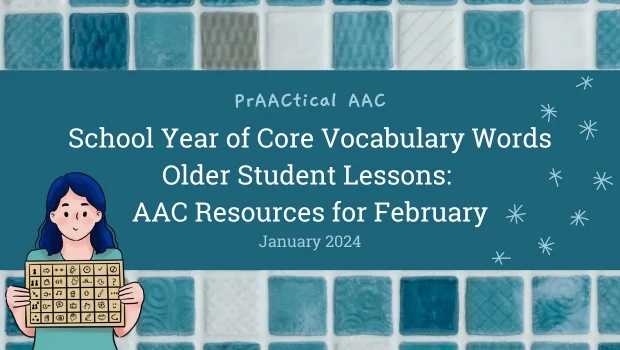
- 2023-2024: Addressing the specific needs of older students, a specialized curriculum was published by Michaela Sullivan and Lindsay Dougherty. This phase recognized that AAC intervention often fails to adapt as students transition from preschool to middle and high school, necessitating more age-respectful and academically rigorous content.
Supporting Data and Implementation Efficacy
Research into AAC implementation consistently indicates that environmental support and the consistent use of modeling (often referred to as Aided Language Stimulation) are the strongest predictors of communication success. According to data from the National Joint Committee for the Communication Needs of Persons with Severe Disabilities (NJC), effective instruction requires not just the availability of a device, but the presence of a "communication-rich environment."
The resources curated for February reflect this data-driven approach. By providing structured lessons, the materials reduce the cognitive load on educators who may be balancing multiple individualized education programs (IEPs) simultaneously. Quantitative feedback from participating districts suggests that when core vocabulary is introduced through a systematic, month-long focus, students demonstrate an increase in both the frequency of their communicative turns and the diversity of the vocabulary they employ within their devices.
Professional Perspectives on Curriculum Integration
The significance of these materials lies in their ability to provide a scaffold for both novice and experienced practitioners. In the professional community, the "Year of Core Vocabulary" is frequently cited as a model for "embedded intervention." Rather than treating AAC as a separate, isolated therapy session, the curriculum encourages the infusion of communication targets into existing lessons, from literacy blocks to physical education.
"The primary challenge in AAC implementation is sustainability," notes a consensus view among contributing speech-language pathologists. "Without a clear plan, practitioners often revert to reactive communication—responding only when a student makes a request—rather than proactive communication, which involves teaching the student how to describe, share, and inquire." By providing these February-specific resources, the initiative ensures that teachers have the necessary materials to maintain momentum throughout the academic year, regardless of the student’s specific device or platform.
Broader Impact and Educational Implications
The release of these resources for February 2026 comes at a critical time for inclusive education. With the rise of digital learning tools and the increased integration of students with complex communication needs into general education classrooms, the need for high-quality, accessible instructional content has never been higher.
The implications of this structured approach are twofold. First, it provides a measurable framework for progress monitoring. By focusing on specific words each month, educators can track the acquisition of these terms and adjust their instructional intensity accordingly. Second, it promotes greater equity in the classroom. When students are provided with the same vocabulary instruction as their peers, they are better equipped to engage with the core curriculum, leading to improved educational outcomes and greater social inclusion.
Furthermore, the involvement of diverse contributors—ranging from specialized clinicians to classroom teachers—underscores the collaborative nature of effective AAC practice. By crowdsourcing these materials, the developers have ensured that the resources remain grounded in the realities of the classroom. The materials are designed to be "printer-friendly" and adaptable, reflecting an understanding that teachers and parents often operate within tight time constraints and limited budgets.
Accessing the February 2026 Resources
The current suite of resources is categorized into three distinct tiers to accommodate different educational levels:
- Set 1 & 2: These foundational resources offer the core, high-frequency word lists that form the basis of the initial instruction. They are designed for early learners or those who are in the initial stages of AAC device acquisition.
- School Year of Core Vocabulary: This tier focuses on integrating vocabulary into school-based activities. It includes strategies for teachers to embed these words into daily classroom routines, such as reading, snack time, and collaborative projects.
- Older Student Lessons: Recognizing that adolescents and young adults require different materials than preschool children, these lessons provide age-appropriate contexts for core word usage. This helps maintain student engagement and ensures that the instruction respects the user’s chronological age.
As schools move into the second half of the 2025-2026 academic year, the availability of these refreshed materials provides a timely opportunity for a "mid-year reset." By re-evaluating the vocabulary targets and implementing fresh, evidence-based strategies, educators can ensure that their students continue to develop the communicative competence necessary for long-term success.
The materials are available for public use, reflecting the commitment of the developers to open-access education for the AAC community. Whether used in a clinical setting or a general education classroom, these resources represent a significant step toward ensuring that every student has the tools and the instruction required to make their voice heard. For further information and to access the full catalog of resources, practitioners are encouraged to visit the official portal where these materials are archived and updated regularly.
As the educational landscape continues to shift toward more personalized and inclusive models, initiatives like the "Year of Core Vocabulary" remain essential. By bridging the gap between research-based practice and daily classroom application, these resources continue to empower educators, clinicians, and families to support the communication growth of individuals with complex needs, one word at a time.