Parkinson’s disease is a progressive neurological disorder characterized by the loss of dopamine-producing neurons in the brain, leading to motor symptoms such as tremors, rigidity, and bradykinesia, as well as various non-motor symptoms. Because the disease is currently incurable, medical management focuses heavily on slowing its progression and managing symptoms to maintain a patient’s quality of life. However, by the time clinical symptoms become apparent enough for a traditional diagnosis, a significant portion of the brain’s dopaminergic neurons has often already been destroyed. This "diagnostic gap" makes the development of early-stage screening tools a critical priority for global healthcare systems.
The Limitations of Current Diagnostic Frameworks
Historically, the diagnosis of Parkinson’s disease has relied on clinical observation and rating scales, such as the Unified Parkinson’s Disease Rating Scale (UPDRS). These assessments depend heavily on the expertise of the neurologist and the patient’s ability to report symptoms accurately. While neuroimaging techniques like Dopamine Transporter (DaTscan) SPECT imaging provide more objective data, they are prohibitively expensive for routine screening and are not always available in rural or underserved regions.
The search for biological markers—measurable indicators of a biological state—has led scientists to explore various bodily fluids, including blood, cerebrospinal fluid, and saliva. While these mediums show promise, they often require invasive collection procedures or suffer from "noise" created by other systemic conditions. The discovery that Parkinson’s disease alters the body’s metabolic processes, resulting in unique chemical signatures in skin secretions, provided the foundation for this latest breakthrough.
From Skin Sebum to Earwax: The Evolution of Odor-Based Testing
The concept of "smelling" Parkinson’s disease gained international attention several years ago when a "super-smeller" named Joy Milne demonstrated an uncanny ability to identify PD patients by the scent of their skin. Subsequent research confirmed that individuals with PD exhibit changes in their sebum—an oily, waxy substance produced by the sebaceous glands to moisturize and protect the skin. These changes are believed to be driven by disease-related processes, including neurodegeneration, systemic inflammation, and oxidative stress, which alter the profile of volatile organic compounds released by the body.
However, utilizing sebum from the general surface of the skin presents significant logistical challenges. Sebum on the face, back, or scalp is constantly exposed to environmental variables, such as ambient temperature, humidity, air pollution, and the use of personal care products like soaps and lotions. These external factors can degrade or mask the subtle VOCs that indicate the presence of Parkinson’s.
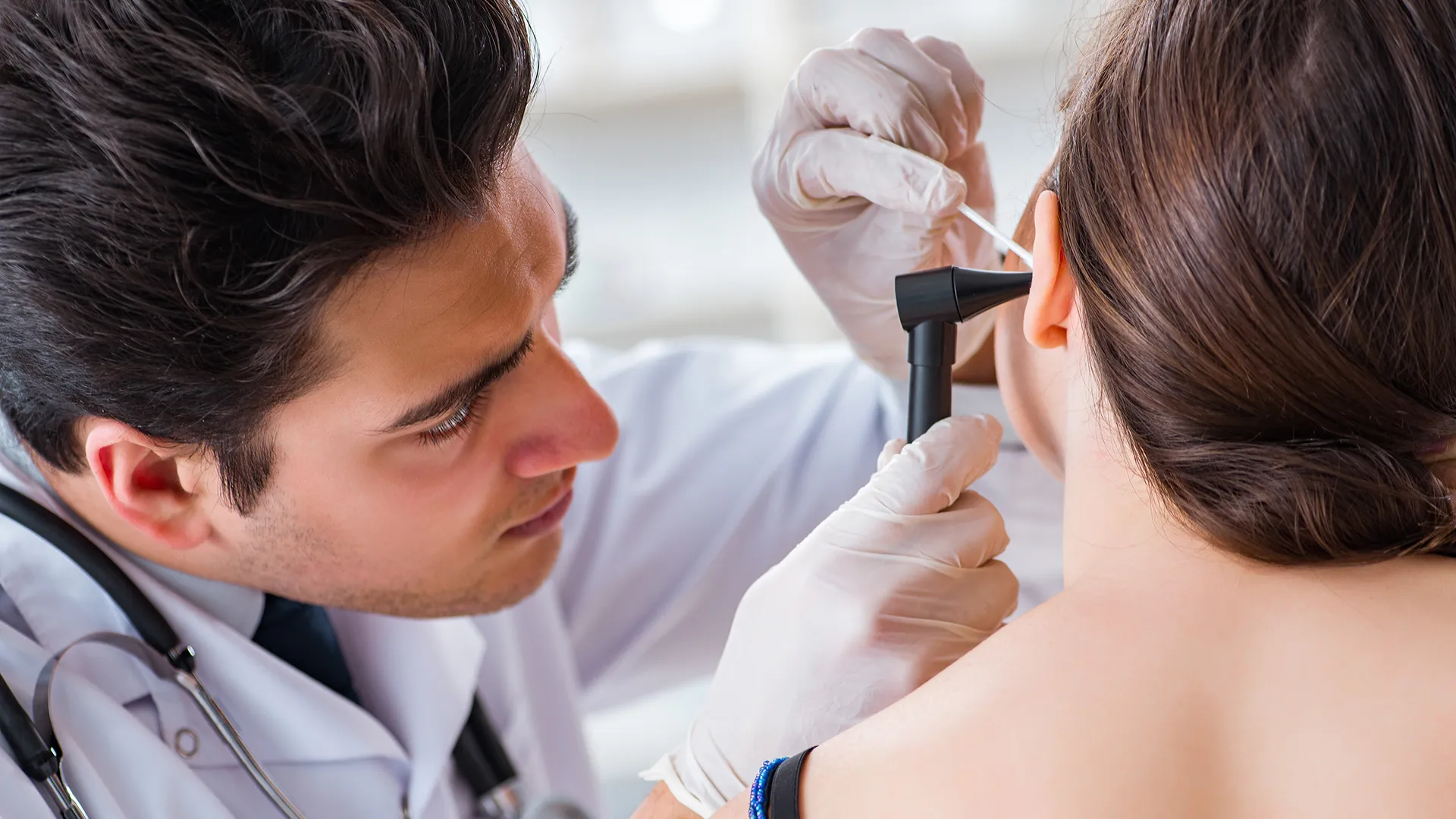
To overcome these hurdles, Dong, Zhu, and their colleagues turned their attention to the ear canal. The skin inside the ear is relatively protected from the environment, and the secretion found there—earwax (cerumen)—is largely composed of sebum and dead skin cells. Because earwax is sequestered within the ear canal, it acts as a stable reservoir for VOCs, making it a more reliable and consistent medium for diagnostic testing.
Methodology and Identification of Key Biomarkers
The study involved a cohort of 209 human subjects, consisting of 108 individuals diagnosed with Parkinson’s disease and 101 healthy control subjects. To ensure a rigorous comparison, the researchers collected earwax samples using sterilized swabs. These samples were then subjected to advanced chemical analysis using gas chromatography-mass spectrometry (GC-MS), a technique that allows for the separation and identification of individual chemical components within a complex mixture.
The analysis revealed a distinct chemical "fingerprint" associated with Parkinson’s disease. Specifically, the researchers identified four VOCs that were present in significantly different concentrations in PD patients compared to the healthy control group. These four compounds are:
- Ethylbenzene: Often associated with metabolic changes and environmental exposure, its presence in specific ratios can indicate systemic shifts.
- 4-Ethyltoluene: A compound that may reflect alterations in the body’s hydrocarbon processing during disease states.
- Pentanal: An aldehyde often linked to lipid peroxidation, a process where oxidative stress damages cell membranes—a known hallmark of neurodegeneration.
- 2-Pentadecyl-1,3-dioxolane: A more complex organic molecule whose fluctuations provide a unique marker for the metabolic disruptions caused by PD.
By isolating these four biomarkers, the research team established a specific chemical profile that could be used to distinguish between healthy individuals and those in various stages of Parkinson’s disease.
The Role of the Artificial Intelligence Olfactory (AIO) System
Identifying biomarkers is only the first step in creating a viable screening tool. To make the data actionable, the researchers integrated their findings into an Artificial Intelligence Olfactory (AIO) system. This "electronic nose" uses machine learning algorithms to process the complex data generated by GC-MS and recognize the specific patterns associated with the disease.
The AIO system was trained using the VOC data from the 209 subjects. Once the model was refined, it was tested for its diagnostic accuracy. The results were remarkably robust: the AIO-based screening model categorized earwax samples with 94% accuracy. This high level of sensitivity and specificity suggests that the system could potentially outperform traditional clinical screenings in early-stage detection.
The integration of AI allows for the rapid processing of samples without the need for a highly trained human "smeller." Furthermore, the AIO system can be refined over time as more data is collected, potentially allowing it to distinguish between Parkinson’s and other similar neurological disorders, such as Multiple System Atrophy (MSA) or Essential Tremor.
Chronology of Progress in Parkinson’s Diagnostics
The development of the earwax-based AIO system represents the latest milestone in a timeline of diagnostic evolution for PD:
- 1817: James Parkinson publishes An Essay on the Shaking Palsy, establishing the clinical definition of the disease based on observation.
- 1960s: The discovery of dopamine deficiency leads to the development of Levodopa, emphasizing the need for diagnosis to initiate treatment.
- 1980s-90s: The Unified Parkinson’s Disease Rating Scale (UPDRS) becomes the gold standard for clinical assessment.
- 2011: The FDA approves DaTscan, providing the first widely available molecular imaging tool for PD.
- 2019: Research into skin sebum VOCs gains traction, identifying the potential for "smell-based" testing.
- 2024: The publication of the Analytical Chemistry study introduces earwax as a superior medium and AI as the primary diagnostic engine.
Broader Implications for Patient Care and Global Health
The implications of a 94% accurate, non-invasive screening tool are profound. Currently, many patients wait years to receive a formal diagnosis, during which time they may suffer from unexplained symptoms and miss the window for early neuroprotective interventions.
Economic Impact:
The economic burden of Parkinson’s disease is staggering. In the United States alone, the cost of PD is estimated at $52 billion annually, including direct medical costs and indirect costs like lost wages. A low-cost screening tool that can be deployed in primary care settings could significantly reduce the long-term financial strain on healthcare systems by enabling earlier management and reducing the need for emergency interventions or late-stage institutional care.
Telemedicine and Accessibility:
Because earwax samples are easy to collect and stable at room temperature, this method is ideally suited for remote or rural areas. Samples could potentially be collected at home by patients and mailed to a central laboratory for AI analysis, bridging the gap for populations that lack access to specialized neurological centers.
Early Medical Intervention:
While there is currently no cure for PD, early diagnosis allows for the implementation of lifestyle changes—such as rigorous exercise programs and specific dietary adjustments—that have been shown to slow the decline of motor function. It also allows for the earlier initiation of pharmacological treatments that can preserve quality of life for a longer duration.
Official Responses and Scientific Caution
While the scientific community has reacted with optimism, lead researcher Hao Dong has emphasized the need for cautious validation. "This method is a small-scale single-center experiment in China," Dong noted. "The next step is to conduct further research at different stages of the disease, in multiple research centers and among multiple ethnic groups, in order to determine whether this method has greater practical application value."
Independent experts in the field of neurology have noted that while the 94% accuracy is impressive, the "real-world" application will depend on the system’s ability to identify PD before motor symptoms appear. If the AIO system can detect these VOC changes in the prodromal phase—the period before the classic tremors and stiffness begin—it would represent one of the most significant breakthroughs in the history of the disease.
The study received support and funding from several prestigious institutions, including the National Natural Sciences Foundation of Science, the Pioneer and Leading Goose R&D Program of Zhejiang Province, and the Fundamental Research Funds for the Central Universities. This level of institutional backing underscores the perceived importance of the research in the broader context of China’s and the world’s aging populations.
Future Directions: Scaling and Diversification
The next phase of research will likely focus on a larger, more diverse demographic. Genetic factors and diet can influence the composition of sebum and earwax, meaning the "Parkinson’s scent" might vary slightly across different ethnic groups or regions. Expanding the study to international centers will be vital to ensure the AI model is globally applicable.
Furthermore, researchers are interested in whether the AIO system can track disease progression. If the concentration of the four identified VOCs changes as the disease worsens, the system could be used not just for diagnosis, but as a tool for monitoring the effectiveness of new drugs in clinical trials. This would provide a quantifiable metric for researchers seeking to develop the first generation of truly disease-modifying therapies.
In conclusion, the development of an AI-driven olfactory system for earwax analysis marks a pivotal shift toward objective, accessible, and non-invasive diagnostics for Parkinson’s disease. By harnessing the stability of the ear canal’s chemical environment and the analytical power of machine learning, science is moving closer to a future where neurological diseases can be caught and managed long before they begin to take their toll on a patient’s life.