The Journey to Auditory Restoration
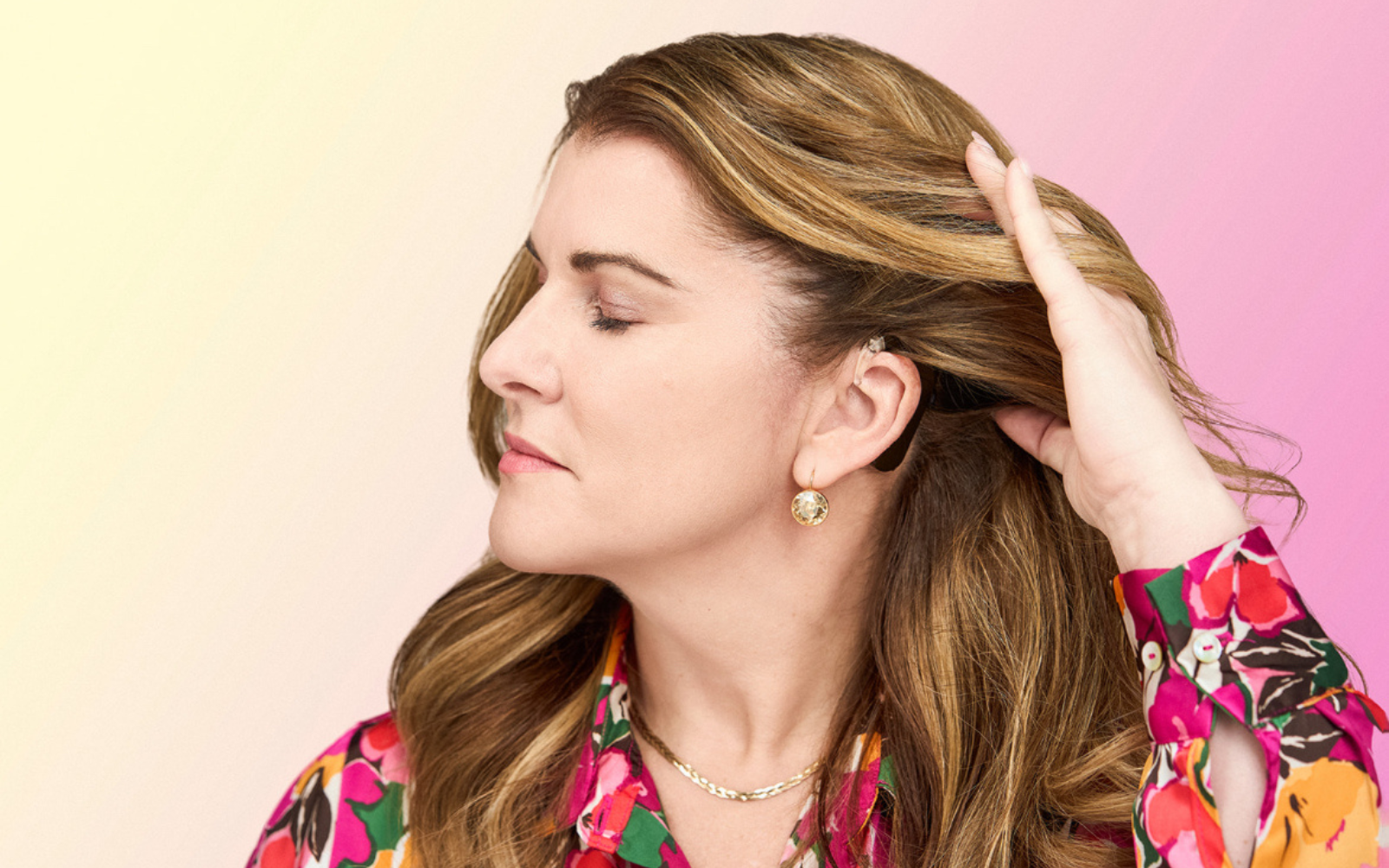
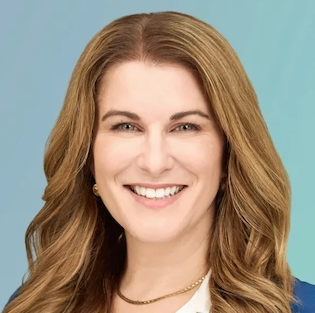
Dr. Nashlea Brogan, a 50-year-old resident of Canada, has dedicated over two decades of her professional life to audiology, culminating in the ownership of her private practice. Her own experiences with hearing loss served as the primary catalyst for her career choice, inspiring her to pursue a doctorate in the field. Beyond her professional endeavors, Dr. Brogan has consistently maintained an active lifestyle, encompassing activities such as skiing, extensive travel, and a deep appreciation for outdoor pursuits, particularly those involving water.
Her hearing loss is a hereditary condition, a trait shared by two other family members who are also cochlear implant recipients. This progressive hearing loss manifested gradually over many years. Dr. Brogan recalls her first audiological assessment at the age of 14, and by 18, she was fitted with her initial hearing aids. One of her earliest vivid memories of her hearing loss involves the stark realization that she could not hear passengers in the back seat of her car while driving. This auditory disconnect also impacted her passion for competitive Highland dancing, where she struggled to discern the crucial sounds of the bagpipes during competitions.
By her late thirties, after two decades of managing progressive hearing loss, raising two children, and simultaneously building her audiology practice, hearing aids were no longer sufficient to meet her auditory needs. This critical juncture led her to pursue bilateral cochlear implantation.
Navigating Water and Hearing: A Two-Decade Dilemma
Dr. Brogan’s lifelong affinity for water activities was significantly impacted by her hearing loss. For approximately twenty years, while relying on hearing aids, she found herself increasingly avoiding water-related activities. This avoidance stemmed from a dual concern: a profound fear of damaging her hearing devices and an equally strong apprehension of being completely without sound if she removed them. Consequently, every beach excursion, every boat trip, and every pool afternoon necessitated a difficult decision between protecting her technology or remaining connected to her auditory environment and the people around her. Over time, this compromise led to a gradual disengagement from many of the activities she once cherished.
The Significance of Waterproof Solutions
For individuals with bilateral cochlear implants, the removal of both audio processors typically results in a complete loss of hearing. This underscores the critical role that waterproof solutions play in enabling continued auditory access. Such solutions are not merely for recreational purposes; they are vital for maintaining communication, ensuring personal safety around water, and fostering social inclusion.
The Transformative Experience of Hearing Underwater
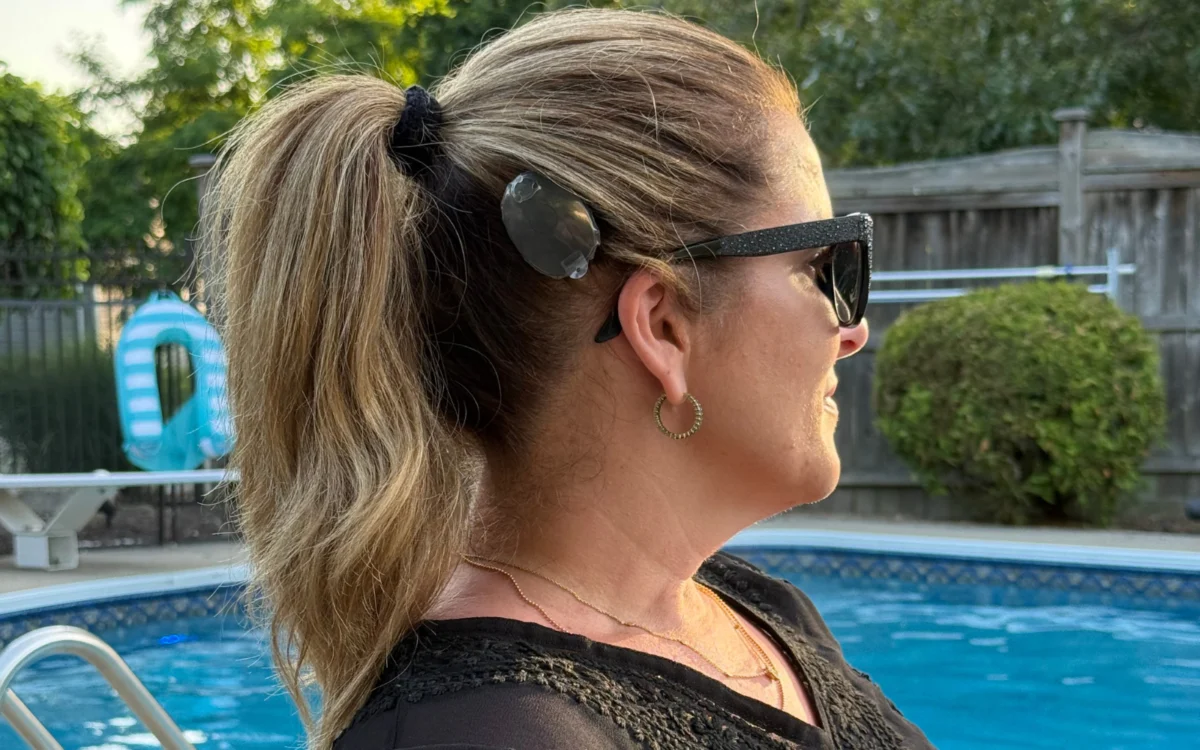
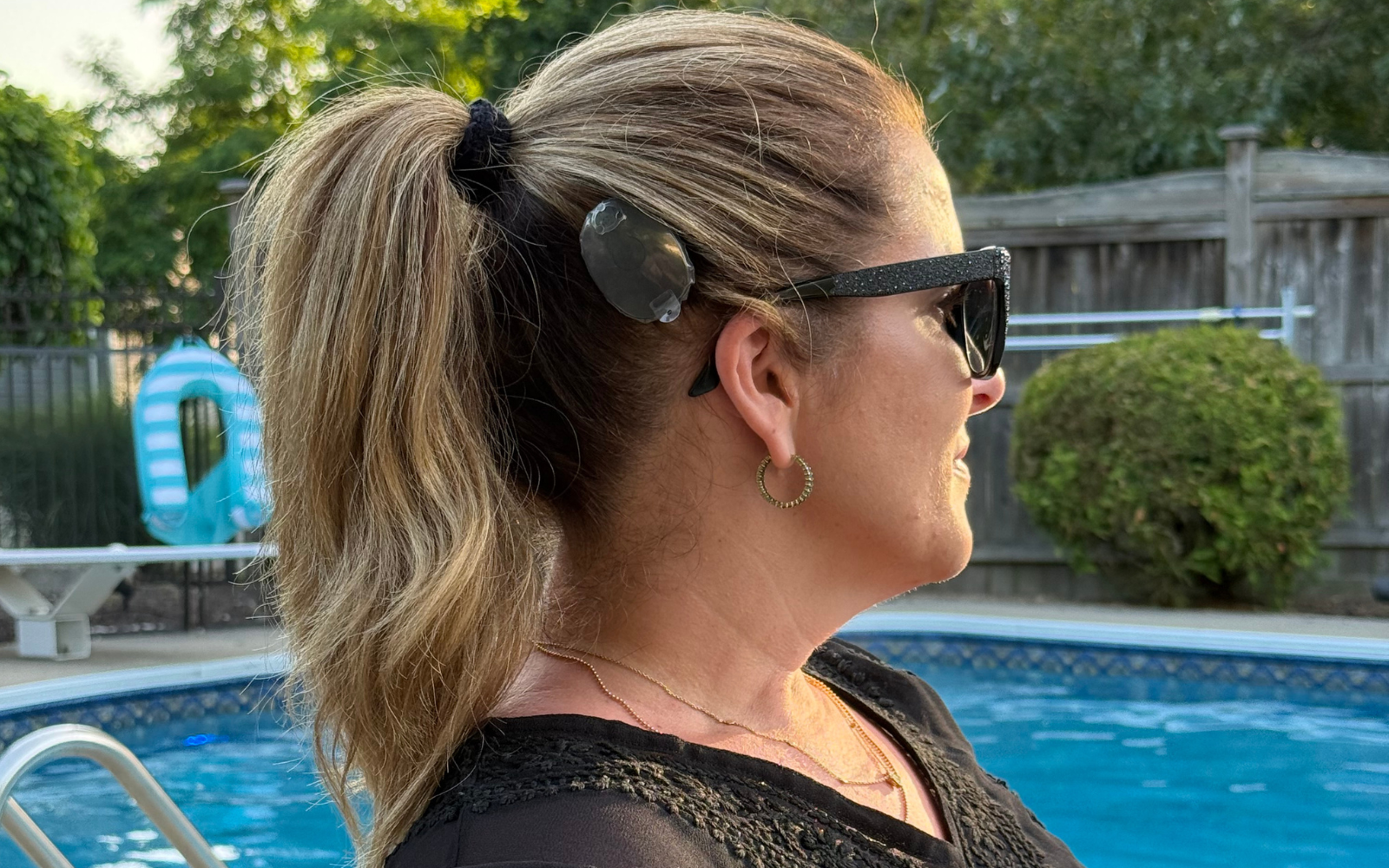
Dr. Brogan began utilizing MED-EL’s WaterWear accessory several years ago. One of the most striking and unanticipated benefits of this technology was the discovery that she could, in fact, hear while fully submerged underwater. She vividly recalls the profound sense of amazement she experienced the first time this capability became apparent.
"One of my favorite memories with WaterWear is floating on an inflatable in my pool, completely relaxed, while still hearing my kids laughing and splashing around me," Dr. Brogan shared. This seemingly simple moment encapsulates the emotional impact of regaining an auditory connection in an environment that had previously demanded its sacrifice.
WaterWear: A Catalyst for Reintegration
The introduction of WaterWear marked a significant turning point for Dr. Brogan. "WaterWear has truly been life-changing," she stated. "I can spend time around the pool, get into the water without worrying about my processors, and simply enjoy being present with my family." This sentiment highlights how the technology facilitated a return to activities she had long foregone, allowing for a more engaged and present experience with her loved ones.
Unfettered Exploration: Travel Without Auditory Compromise
Travel has always been a significant aspect of Dr. Brogan’s life, and WaterWear has become an indispensable companion on her journeys. "WaterWear has completely changed the way I experience vacations," she explained. "I can enjoy hotel pools, hot tubs, beaches, boats, and lakes without constantly thinking about my hearing equipment."
A particularly memorable experience occurred during a family trip to Arizona. While on a speedboat with her daughter wakeboarding behind them, the group stopped to enjoy the lake. Dr. Brogan was able to join everyone in the water without hesitation. This spontaneous participation would have been unthinkable prior to adopting WaterWear.

Beyond Protection: Reconnecting with Life’s Moments
As both an audiologist and a cochlear implant user, Dr. Brogan frequently encounters individuals who express concerns about potential lifestyle limitations, particularly regarding swimming and other water activities, should they opt for a hearing implant. She empathizes with this apprehension, having experienced it herself.
"For me, WaterWear made it possible to reconnect with activities I’d avoided for more than 20 years," she affirmed. She further emphasized the broader significance of such accessories, stating, "I also think accessories like this are important because they allow people to keep living the life they already have instead of adapting their lives around their hearing technology." Whether engaged in paddleboarding, kayaking, boating, or simply enjoying an afternoon at the beach, she can now remain attuned to her surroundings.
The auditory feedback provided by WaterWear is not merely for enjoyment; it is crucial for practical reasons. "With WaterWear, I can hear people talking, I can hear the boat, and I can stay connected to conversations," Dr. Brogan noted. "That’s enjoyable, but it’s also important for communication and safety."
The Profound Impact of Renewed Confidence
If there is one word that encapsulates the gift of cochlear implants and WaterWear, it is "confidence." This newfound confidence empowers individuals to remain socially engaged, encourages the exploration of new experiences, and fosters complete participation rather than hesitant observation due to hearing concerns.
Before the advent of WaterWear, Dr. Brogan often found herself avoiding aquatic environments, anticipating the inevitable need to remove her processors. Now, instead of experiencing distress, she feels a sense of confidence, connection, and liberation, allowing her to fully embrace her preferred activities alongside her family.
Tips for First-Time WaterWear Users
While the article does not explicitly list Dr. Brogan’s specific tips, it is reasonable to infer that guidance for new users would revolve around understanding the product’s capabilities, proper usage, and managing expectations. This could include advice on secure attachment, ensuring a watertight seal, and practicing in controlled environments before engaging in more demanding activities.
Embracing a Life Without Compromise
When asked if cochlear implants have imposed limitations on her lifestyle, Dr. Brogan’s response is consistently affirmative. "There is very little in my life that I’ve had to give up," she stated. Her active pursuits, including skiing, cycling, paddleboarding, extensive travel, and a deep engagement with the outdoors, remain undiminished. In fact, she believes her cochlear implants have expanded her world rather than restricted it.
The most fulfilling aspect of her professional role, she explained, is witnessing similar transformations in her patients. She observes how many individuals gradually relinquish aspects of their lives due to hearing loss, only to regain those moments with enhanced connection, increased confidence, and diminished fear after receiving an implant. This personal and professional fulfillment, she concluded, never loses its impact.
The Broader Implications of Accessible Technology
Dr. Brogan’s personal narrative serves as a powerful testament to the evolving landscape of hearing technology and its potential to reintegrate individuals into activities they may have previously felt excluded from. The development of accessories like WaterWear addresses a significant gap in the market, moving beyond basic hearing restoration to encompass a holistic approach to quality of life.
Globally, the prevalence of hearing loss continues to be a significant public health concern. According to the World Health Organization (WHO), an estimated 1.5 billion people worldwide live with hearing loss. While cochlear implants offer a remarkable solution for profound hearing loss, the practical challenges associated with water immersion have historically presented a barrier to full participation in many common recreational and social activities.
The introduction and widespread adoption of waterproof solutions mitigate this barrier, enabling a more inclusive experience for cochlear implant users. This has implications not only for individual well-being and social connection but also for public safety, particularly in environments where auditory cues are critical for awareness and hazard avoidance.
Future Trends and Accessibility
The positive impact described by Dr. Brogan suggests a growing demand for integrated, lifestyle-enabling hearing technologies. The trend is moving towards solutions that not only restore hearing but also seamlessly integrate with the user’s daily life, regardless of their chosen activities. This includes advancements in device durability, enhanced waterproofing capabilities, and user-friendly accessories that simplify maintenance and usability.
The emphasis on "living life on my own terms" highlights a critical shift in the perception of hearing loss and its management. It is no longer solely about overcoming a deficit but about empowering individuals to pursue their passions and maintain their independence. As technology continues to advance, the focus will likely remain on developing solutions that facilitate this complete integration, ensuring that hearing loss does not preclude individuals from experiencing the richness of life’s moments, whether on land or in water.
Ordering WaterWear: A Pathway to Reconnection
For individuals who find themselves resonating with Dr. Brogan’s experience, MED-EL offers a straightforward process for obtaining WaterWear. The company provides an online order request form, designed to gather necessary information and facilitate contact with individuals seeking more details about the product. This accessibility aims to empower those who wish to reclaim their connection to water-based activities and the auditory experiences they entail.
The journey of Dr. Nashlea Brogan underscores the transformative power of innovative hearing solutions. Her story is a compelling illustration of how technology, when thoughtfully designed and applied, can dismantle long-standing barriers, restore confidence, and enable individuals to live their lives more fully and authentically.