The Global Burden of Tinnitus and the Search for a Cause
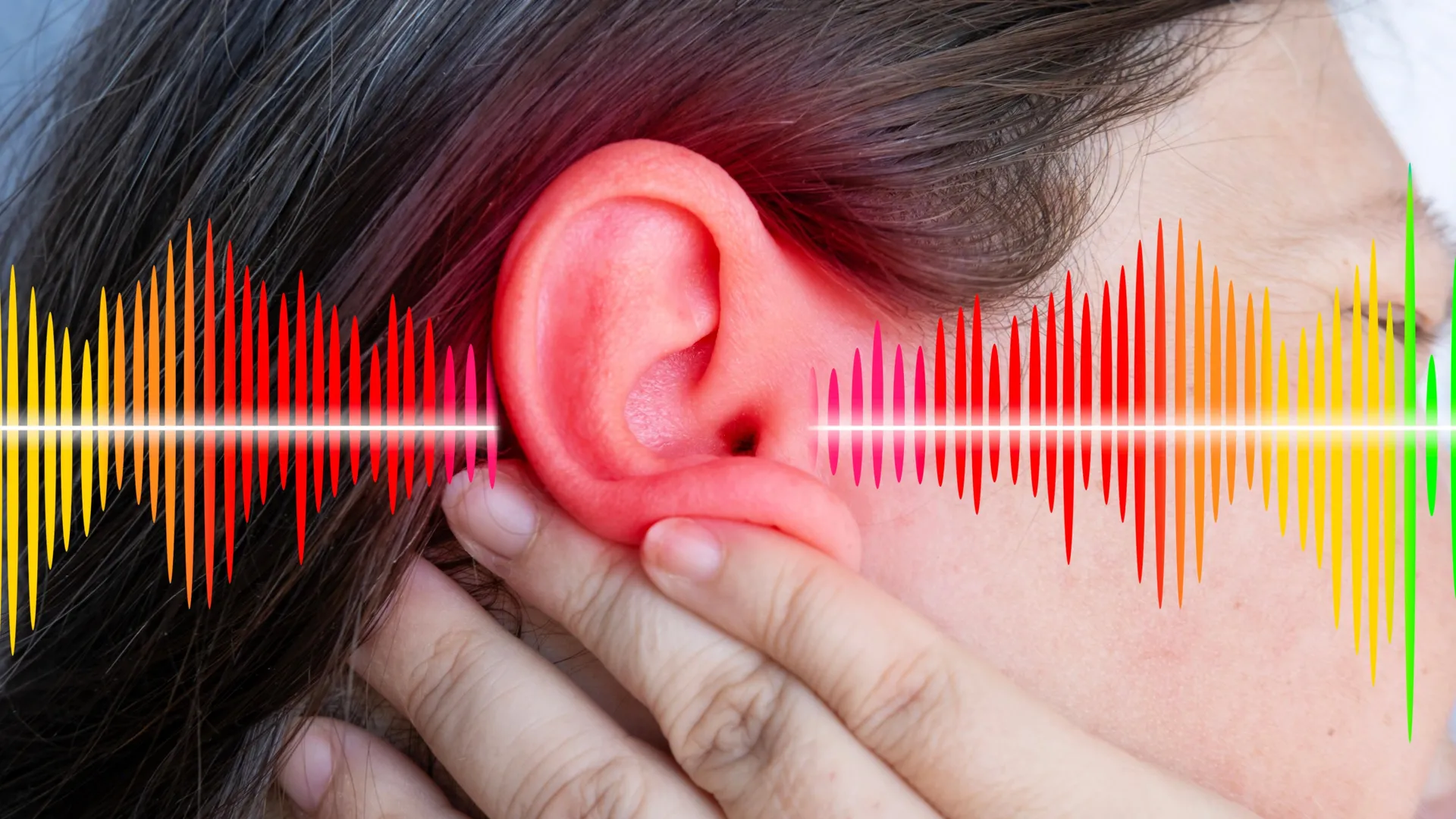
Tinnitus is not a disease in itself but a symptom of an underlying condition, such as age-related hearing loss, ear injury, or a circulatory system disorder. It is characterized by ringing, buzzing, roaring, clicking, or hissing sounds that can be constant or intermittent. For a significant portion of the population, the condition is more than a minor annoyance; it is a debilitating neurological issue that interferes with sleep, concentration, and emotional stability.
Epidemiological data suggests that approximately 10% to 14% of the global population experiences chronic tinnitus. In severe cases, which account for roughly 1% to 2% of the general population, the condition can lead to profound psychological distress, including suicidal ideation. Despite its prevalence, the precise neurological mechanisms that generate these "phantom" sounds have remained elusive for decades. While hearing loss often triggers the condition—leading the brain to "turn up the gain" to compensate for lost input—the role of chemical modulators like serotonin has been a subject of intense debate and limited clarity until now.
The Serotonin Connection: Investigating the Dorsal Cochlear Nucleus
The study focused on a region of the brain known as the dorsal cochlear nucleus (DCN), which serves as the first station for sensory processing in the auditory system. The DCN is unique because it integrates acoustic information with various non-auditory signals, such as touch and neck position. Researchers have long suspected that the DCN is the primary site where tinnitus is generated.
In the latest experiments, led by Dr. Laurence Trussell and Dr. Zheng-Quan Tang, scientists utilized optogenetics to examine the relationship between serotonin and the DCN. Optogenetics is a cutting-edge biological technique that involves the use of light to control neurons that have been genetically sensitized to light. By targeting specific serotonergic neurons that project into the auditory system, the team could observe the direct impact of increased serotonin levels on auditory neurons.
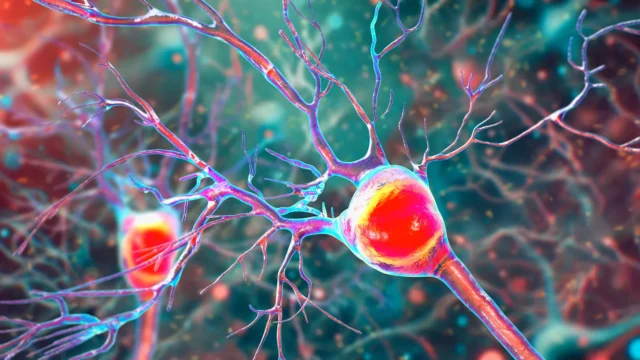
The findings revealed that when serotonin levels rise, specialized cells in the DCN called fusiform cells become hyperactive. These cells are responsible for conveying signals from the DCN to higher auditory centers in the brain. The hyperactivity induced by serotonin mimics the neural patterns observed in chronic tinnitus, effectively "tricking" the brain into perceiving sound that does not exist.
Methodology: From Optogenetics to Behavioral Analysis
To validate the connection between serotonin and the subjective experience of tinnitus, the researchers conducted behavioral tests on mice. Measuring tinnitus in animals is a complex task, as the subjects cannot verbally report what they hear. The team utilized a modified version of the auditory startle test, specifically focusing on "gap detection."
In a normal environment, a sudden loud noise causes a startle reflex in mice. If a brief period of silence (a gap) precedes the noise, the startle reflex is typically diminished. However, if a mouse is experiencing tinnitus, the "phantom sound" fills the gap of silence, preventing the mouse from noticing the transition and resulting in a full startle reflex.
By stimulating the serotonin circuits and observing the mice’s failure to detect silence gaps, the researchers concluded that the animals were experiencing tinnitus-like symptoms. Conversely, when the researchers inhibited these specific serotonin circuits, the tinnitus-like behaviors were significantly reduced. This provided a clear "on-off" switch demonstration of how serotonin influences the auditory system.
The SSRI Paradox: Balancing Mental Health and Auditory Comfort
The implications of this research are particularly significant for the clinical use of selective serotonin reuptake inhibitors (SSRIs). SSRIs, such as fluoxetine (Prozac), sertraline (Zoloft), and escitalopram (Lexapro), are among the most frequently prescribed medications in the world. They work by blocking the reabsorption of serotonin in the brain, making more of the chemical available to improve mood and emotional regulation.
However, the OHSU study suggests that by increasing systemic serotonin, these drugs may inadvertently stimulate the DCN’s auditory circuits. This creates a clinical paradox: many patients with severe tinnitus also suffer from depression and anxiety—often caused by the tinnitus itself—yet the very drugs used to treat their psychological distress might be making their ear ringing worse.
"Our study suggests a delicate balance," noted Dr. Laurence Trussell. He emphasized that while SSRIs are vital for managing depression, clinicians must be aware of the potential auditory side effects. The study validates the anecdotal reports of patients who have long claimed that their tinnitus spiked after starting antidepressant therapy. This validation is a critical step in patient-centered care, as it moves the phenomenon from a "subjective complaint" to a "biologically grounded side effect."
Chronology of Discovery: Building on 2017 Foundations
The current study is the culmination of years of targeted research. In 2017, the same team published foundational work in Cell Reports that first identified the presence of serotonin receptors on fusiform cells in the DCN. That earlier research showed that serotonin could make these cells more sensitive to input, but it did not definitively prove that this sensitivity resulted in the behavioral experience of tinnitus.
Between 2017 and the present, the researchers refined their use of optogenetics and behavioral modeling. Dr. Zheng-Quan Tang, who began the project as a postdoctoral scholar in Trussell’s lab before moving to Anhui University, led the efforts to map the specific pathways from the raphe nuclei (the brain’s primary serotonin source) to the DCN. The move to a cross-continental collaboration allowed for a broader range of testing and peer verification, leading to the comprehensive findings recently published in PNAS.
Broader Implications for Neuroscience and Treatment
Beyond the immediate concerns regarding SSRIs, this research opens new avenues for the development of "precision" pharmacology. Currently, most antidepressants affect serotonin levels throughout the entire brain. The OHSU/Anhui study suggests that the "beneficial" effects of serotonin on mood and the "detrimental" effects on hearing are mediated by different circuits and potentially different receptor subtypes.
Future pharmaceutical research could focus on developing drugs that target serotonin receptors involved in mood (such as those in the prefrontal cortex or hippocampus) while avoiding or even blocking the receptors in the dorsal cochlear nucleus.
"This gives us a much clearer picture of what’s going on in the brain—and points toward new possibilities for treatment," said Dr. Tang. The possibility of a "silent" antidepressant—one that provides emotional relief without the risk of auditory interference—is now a tangible goal for neuropharmacologists.
Expert Reactions and Recommendations for Clinicians
The medical community has reacted to the study with a mixture of caution and optimism. While the research was conducted on mice, the fundamental architecture of the auditory system and the serotonin pathway is highly conserved across mammalian species, including humans.
Audiologists and psychiatrists are being encouraged to foster closer collaboration. Dr. Trussell advised that "people with tinnitus should work with their prescribing physician to find a drug regimen that gives them a balance between relief of psychiatric symptoms like depression and anxiety, while minimizing the experience of tinnitus."
Clinical recommendations following this study include:
- Pre-treatment Screening: Patients scheduled to begin SSRI therapy should be screened for existing tinnitus.
- Dosage Monitoring: If tinnitus symptoms emerge or worsen, physicians might consider adjusting the dosage or switching to a different class of antidepressants, such as norepinephrine-dopamine reuptake inhibitors (NDRIs), which do not primarily target the serotonin system.
- Patient Validation: Clinicians are urged to take patient reports of medication-induced tinnitus seriously, rather than dismissing them as psychosomatic.
Conclusion: A New Paradigm for Tinnitus Management
The discovery of the serotonin-DCN circuit represents a paradigm shift in how we understand the intersection of neurochemistry and sensory perception. For the millions of people worldwide who live with the persistent "ringing in the ears," the study provides more than just an explanation—it provides hope for targeted therapies.
As research continues, the focus will likely shift to human clinical trials and the identification of specific molecular markers in the DCN that can be inhibited without affecting a patient’s overall mental health. For now, the study serves as a vital reminder of the complexity of the brain’s chemical signaling and the importance of a nuanced approach to treating the whole patient—both their mood and their senses.
The research was supported by the National Institutes of Health (NIH), and while the findings are groundbreaking, the authors emphasize that further study is required to fully map the human equivalent of these circuits. Nonetheless, the link between the "happy chemical" and the "phantom sound" is now firmly established in the annals of modern neuroscience.