The Anatomy of Industrial Risk
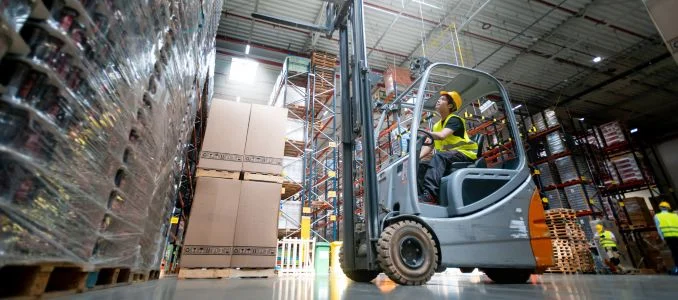
Forklifts are the workhorses of the modern supply chain, but they are also among the most hazardous pieces of equipment in the industrial inventory. According to the Occupational Safety and Health Administration (OSHA), there are approximately 150 fatal machine-related incidents involving heavy equipment in the United States annually, with forklift-related accidents accounting for a significant portion of these tragedies.
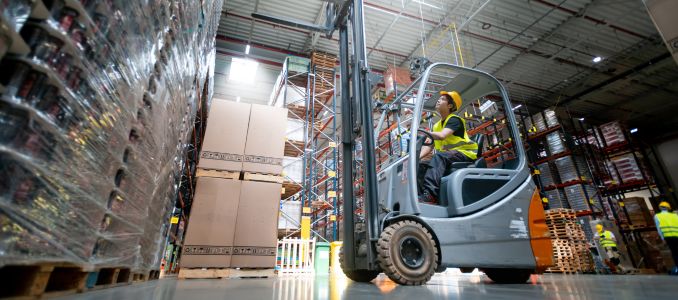
The nature of these incidents is rarely complex; they are predominantly classified as "struck-by" or "caught-in/between" events. These classifications indicate a fundamental failure in the spatial relationship between the machine and the pedestrian worker. For decades, the industry’s response to these statistics has been rooted in the "Operator Responsibility Model." This model posits that if an operator is properly trained, certified, and vetted for physical and mental fitness, they should be capable of navigating a worksite without incident. However, this model assumes that the worksite remains a static, predictable environment—a premise that is increasingly disconnected from the reality of 21st-century logistics.
The Cognitive Threshold of the Operator
Modern worksites are characterized by "ambient noise"—not just auditory, but visual and cognitive. An operator in a bustling distribution center must simultaneously monitor a digital dashboard, respond to radio communications, navigate tight aisles, and maintain a constant awareness of shifting pedestrian traffic.
Psychological studies on selective attention demonstrate that humans are prone to "inattentional blindness" when subjected to prolonged, high-intensity tasks. When an operator is focused on the immediate task of lifting a pallet or reversing out of a bay, the brain naturally filters out peripheral information to conserve cognitive energy. In a dynamic environment where a visitor might suddenly step onto the floor or a colleague might emerge from behind a blind corner, this natural filtration process can lead to catastrophic oversights.

Furthermore, the shift-based nature of modern logistics creates "knowledge gaps." During shift handovers, critical information regarding site layout changes, temporary storage zones, or equipment malfunctions can be lost or misinterpreted. When an operator begins their shift under the assumption that the floor is clear, but the environment has changed in the preceding minutes, the margin for error effectively vanishes.
A Chronology of Industrial Safety Evolution
The trajectory of forklift safety can be viewed in three distinct eras:
- The Manual Era (1950s–1990s): Safety was entirely reactive. Regulations were minimal, and the emphasis was placed on physical guardrails and basic mechanical braking systems. The focus was on the machine’s integrity rather than the operator’s environment.
- The Compliance Era (2000s–2015): OSHA mandates became more rigorous. Training programs, certification requirements, and mandatory daily pre-shift inspections became the bedrock of industrial safety. This period saw a significant decrease in mechanical failures but a plateau in human-factor incidents.
- The Intelligent Era (2016–Present): The industry is currently transitioning toward proactive, data-driven safety. This includes the integration of telematics, proximity detection sensors, and, most recently, AI-powered computer vision. This era marks a departure from expecting the operator to "see everything" to providing the operator with a "digital safety net."
The Role of AI and Computer Vision
To address the limitations of human perception, companies are increasingly deploying AI-powered computer vision systems on their forklift fleets. Unlike traditional proximity sensors, which often suffer from "alarm fatigue"—a condition where operators become desensitized to constant, non-critical beeping—AI-based systems are designed to distinguish between real hazards and ambient workplace noise.

These systems use deep-learning algorithms to identify human forms, body language, and movement patterns. For instance, an AI camera system can distinguish between a static rack or a wall and a human worker. Furthermore, these systems can be programmed to ignore "non-threats," such as a worker standing behind a safety barrier, while triggering an immediate alert if a person enters a designated "danger zone" around the vehicle.
The primary benefit of this technology is that it acts as a persistent, non-fatigable observer. While a human operator might experience a split-second lapse in concentration due to fatigue or external distraction, the computer vision system remains active. It effectively expands the operator’s field of view, providing 360-degree awareness that a human cannot physically achieve from a seated position in a cab.
Economic and Regulatory Implications
The cost of a single industrial fatality or serious injury is astronomical, encompassing not only human suffering but also legal liabilities, OSHA fines, increased insurance premiums, and long-term reputational damage. Analysis of post-incident reports indicates that the average cost of a severe forklift accident can exceed hundreds of thousands of dollars when accounting for downtime and litigation.

Regulators are beginning to take notice of the potential for technology to bridge the safety gap. While OSHA has not yet mandated the use of AI-driven vision systems, there is an ongoing trend toward rewarding companies that implement "best-in-class" technology. Organizations that proactively adopt these systems often see a drastic reduction in near-miss reports, which serves as a leading indicator of long-term safety performance.
Expert Perspectives on Safety Integration
Safety consultants and industrial psychologists often emphasize that technology should not be viewed as a replacement for training, but rather as an essential reinforcement. "The goal is to move from a culture of blame to a culture of prevention," says one industry safety director. "When we focus on the operator’s failure to pay attention, we are addressing a symptom. When we implement AI, we are addressing the environment itself."
However, there is a cautionary note regarding the implementation of such systems. Industry leaders warn that if these tools are introduced as "Big Brother" surveillance mechanisms to punish workers, they will face resistance. Success depends on framing these tools as assistants that provide an extra pair of eyes, thereby reducing the stress and pressure on the operator.

Broader Impact and Future Outlook
The integration of smart technology into industrial heavy equipment is not merely a trend; it is an inevitable evolution of the workplace. As the demand for rapid fulfillment grows, so too does the density of people and machines in industrial spaces. The complexity of these environments will likely continue to outpace the natural capabilities of human attention.
The future of forklift safety lies in the convergence of three pillars:
- Cognitive Ergonomics: Designing the workspace to minimize mental overload.
- Technological Augmentation: Using AI to provide continuous monitoring and alerts.
- Predictive Analytics: Utilizing data collected from these systems to identify "hot spots" in a warehouse where incidents are most likely to occur, allowing management to redesign workflows before an accident happens.
Ultimately, the goal is to acknowledge the reality that humans are not designed to be perfect, especially when working in high-pressure, high-speed industrial environments. By accepting the inherent limitations of human attention and augmenting those limitations with advanced technological safeguards, the industrial sector can move toward a "Vision Zero" standard—the belief that all workplace fatalities and serious injuries are preventable. The transition from relying on human vigilance to relying on intelligent, data-driven systems represents the most significant advancement in industrial safety of the modern era. As the workforce continues to evolve, the businesses that prioritize these technological investments will not only see a reduction in safety incidents but also an improvement in overall operational efficiency and employee retention.