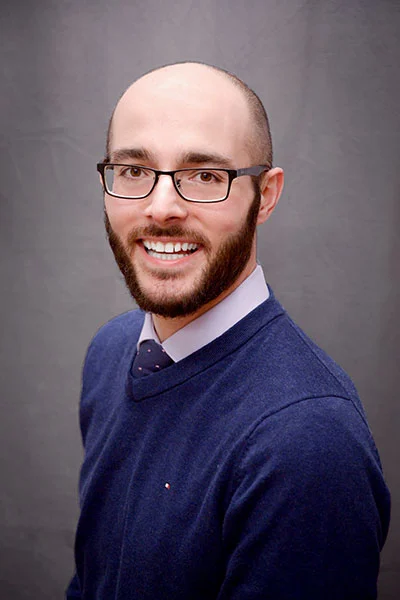
McPherson, a Board-Certified Neurologic Clinical Specialist and a Clinical Associate Professor at the University at Buffalo, brings a wealth of academic and clinical expertise to the role. His appointment is expected to strengthen the bridge between research-driven education and bedside clinical application. As the VR SIG Chair, McPherson will oversee a suite of professional resources designed to keep clinicians at the forefront of the field, including the "Abstract of the Week" evidence updates, peer-edited newsletters titled Topics in Vestibular Therapy, and a variety of patient education initiatives. His leadership arrives as the industry prepares for the 2026 ANPT Annual Conference, a major gathering of neurologic specialists scheduled to take place in Minneapolis, Minnesota.
The Strategic Importance of the Vestibular Rehabilitation Special Interest Group
The Vestibular Rehabilitation Special Interest Group serves as a primary hub for specialized knowledge within the broader framework of the American Physical Therapy Association (APTA). Vestibular rehabilitation is a highly specialized branch of physical therapy focused on the treatment of primary and secondary vestibular pathologies, including Benign Paroxysmal Positional Vertigo (BPPV), vestibular neuritis, and Meniere’s disease. Given the complexity of the vestibular system—the sensory system that provides the leading contribution to the sense of balance and spatial orientation—specialized leadership is required to navigate the evolving landscape of diagnostic technology and therapeutic interventions.
Under McPherson’s guidance, the VR SIG is tasked with fostering a community of practice that spans various clinical settings, from acute care hospitals and outpatient clinics to academic research institutions. The group provides a forum for clinicians to discuss the nuances of patient care, share emerging data, and standardize protocols for balance assessment. One of the group’s most valued contributions is the dissemination of peer-reviewed content that ensures practitioners are utilizing evidence-based methods. This is particularly critical in a field where misdiagnosis is common and where patients often see multiple providers before receiving an accurate assessment of their vestibular function.
Background and Professional Profile of Jake McPherson
Jake McPherson’s career has been defined by a commitment to the integration of clinical practice and higher education. At the University at Buffalo, he serves as a Clinical Associate Professor, where he is instrumental in shaping the next generation of physical therapists. His work involves not only teaching the foundational principles of neurologic physical therapy but also developing advanced continuing education programs for established healthcare professionals. This dual role as both an educator and a clinician provides him with a unique perspective on the gaps in current vestibular training and the practical needs of those in the field.
McPherson’s research portfolio is notably focused on the intersection of vestibular function and concussion management. As a member of the University at Buffalo’s Comprehensive Concussion Management and Research Center, he has explored how traumatic brain injuries (TBIs) and mild TBIs (concussions) disrupt oculomotor and vestibular pathways. This research is increasingly vital as the medical community recognizes that a significant percentage of post-concussion symptoms are rooted in vestibular dysfunction. By leading the VR SIG, McPherson is well-positioned to advocate for the inclusion of vestibular screening in standard concussion protocols across sports medicine and emergency departments.
Furthermore, McPherson has long been an advocate for interdisciplinary collaboration. He frequently works alongside specialists in neurology, otolaryngology (ENT), and primary care. This collaborative spirit is expected to be a hallmark of his tenure as Chair, as he seeks to break down the silos that often hinder the comprehensive management of patients with chronic dizziness.
Data and the Growing Prevalence of Vestibular Disorders
The appointment of a new VR SIG Chair occurs against a backdrop of significant epidemiological data highlighting the need for specialized vestibular care. According to data from the National Institute on Deafness and Other Communication Disorders (NIDCD), approximately 35% of U.S. adults aged 40 years and older—roughly 69 million Americans—have experienced some form of vestibular dysfunction. The prevalence increases significantly with age, contributing to a heightened risk of falls, which remain a leading cause of injury and death among the elderly population.
Research indicates that vestibular disorders can have a profound impact on a patient’s quality of life, often leading to secondary issues such as anxiety, depression, and social isolation. The economic burden is also substantial; vestibular-related falls and chronic dizziness contribute billions of dollars in annual healthcare costs, much of which could be mitigated through early intervention and specialized physical therapy. The VR SIG, under McPherson’s leadership, will play a critical role in addressing these statistics by promoting the "Neurologic Clinical Specialist" (NCS) designation and encouraging physical therapists to pursue the advanced training necessary to treat these complex cases effectively.
Institutional Framework: The Academy of Neurologic Physical Therapy
The VR SIG is one of eight specialized groups within the Academy of Neurologic Physical Therapy. The ANPT’s mission is centered on advancing neurologic physical therapy through advocacy, education, and research to optimize movement and well-being for those impacted by neurologic conditions. The internal structure of the ANPT reflects the diversity of the field, with other SIGs focusing on:
- Assistive Technology/Seating & Wheeled Mobility: Addressing the equipment needs of patients with limited mobility.
- Balance and Falls: Focusing on geriatric populations and general balance disorders.
- Brain Injury: Covering the spectrum from mild concussion to severe TBI.
- Degenerative Diseases: Managing conditions such as Parkinson’s disease and Multiple Sclerosis.
- Spinal Cord Injury: Focusing on recovery and adaptation following spinal trauma.
- Stroke: Addressing the leading cause of long-term disability in the U.S.
- Residency & Fellowship: Supporting the post-professional education of physical therapists.
The synergy between these groups allows for a holistic approach to neurologic care. For instance, a patient recovering from a stroke may also suffer from vestibular-related vertigo; the collaboration between the Stroke SIG and the VR SIG ensures that the patient receives comprehensive treatment that addresses both the central and peripheral nervous system issues.
Chronology of Collaboration and Future Outlook
The partnership between VeDA and the VR SIG has been a multi-year effort aimed at raising the standard of care for vestibular patients. VeDA, as a patient-centric non-profit organization, provides the "lived experience" perspective and public outreach, while the VR SIG provides the clinical and scientific expertise. This relationship has historically resulted in the creation of high-quality patient education materials that translate complex medical concepts into actionable information for the public.
Looking ahead, the 2026 ANPT Annual Conference in Minneapolis will serve as a major platform for McPherson to present his vision for the VR SIG. Scheduled for September 17-19, 2026, the conference is expected to draw thousands of professionals. As a conference sponsor, VeDA will work alongside the ANPT to highlight new research in vestibular rehabilitation, including advancements in virtual reality (VR) and augmented reality (AR) tools for balance training.
Analysis of Implications for the Healthcare Field
The leadership of Jake McPherson is expected to drive three primary shifts in the field of vestibular rehabilitation. First, there will likely be an increased emphasis on the "evidence-to-practice" pipeline. By utilizing the VR SIG’s digital platforms, McPherson can ensure that the latest research from academic centers—like the University at Buffalo—is disseminated to rural and community-based therapists who may not have immediate access to high-level neurologic research.
Second, McPherson’s background in concussion suggests a more robust integration of vestibular therapy into the broader sports medicine and trauma landscape. As legislation regarding concussion management continues to evolve across the United States, the role of the vestibular physical therapist is becoming more formalized.
Third, the appointment signals a commitment to professional networking and mentorship. By organizing quarterly online networking sessions and peer-edited publications, McPherson is fostering a support system for clinicians. This is vital for professional retention in a high-burnout field like neurologic rehabilitation, where patient cases are often chronic and medically complex.
In conclusion, the appointment of Jake McPherson as Chair of the VR SIG represents a strategic alignment of clinical expertise and organizational advocacy. As the healthcare industry continues to grapple with the complexities of neurologic and vestibular health, the leadership provided by McPherson and the continued partnership between VeDA and the ANPT will be essential in ensuring that patients have access to the highest quality of evidence-based care. The upcoming 2026 conference will likely serve as the first major assessment of this new leadership era, setting the stage for the next decade of progress in the field of vestibular physical therapy.