A Shift from Clinical Isolation to Community Integration
Historically, Speech-Language Pathology (SLP) interventions for individuals with complex communication needs have been largely confined to one-on-one sessions. These clinical settings, while providing foundational skills, often fail to replicate the dynamic, multimodal, and social nature of real-world communication. Ordóñez recognized a systemic limitation: when communication therapy is restricted to a practitioner and a patient, the patient often misses the critical opportunity to learn from and interact with peers who utilize similar communication modalities.
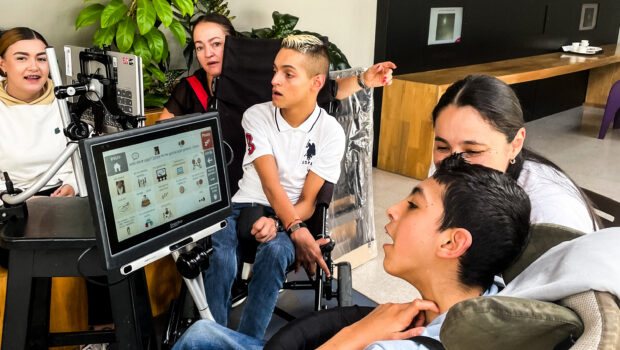
The VOZ SOS CAAPAZ project seeks to dismantle the "ableist framework" often inherent in traditional therapy—a model that historically prioritized spoken language as the primary or only valid form of human expression. By transitioning from a dyadic clinical model to a community-based, social model, the project aims to foster authentic communication, social belonging, and self-advocacy among users of various AAC systems, including Tobii, Td Snap, and Proloquo2go.
Chronology of the Movement
The conceptualization and execution of VOZ SOS CAAPAZ did not occur in a vacuum. It was the result of a deliberate professional evolution that began in earnest in 2024.
- 2024: Ordóñez joined the "CAAmigos Angelman" program, an international virtual initiative focused on neuroaffirmative, evidence-based practices. This experience provided the theoretical and practical foundation for moving toward a "Comprehensive Literacy" model.
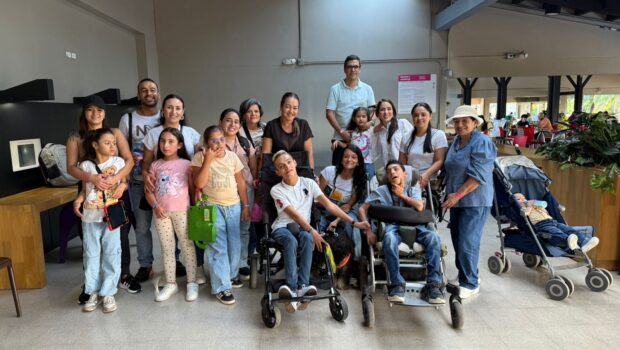
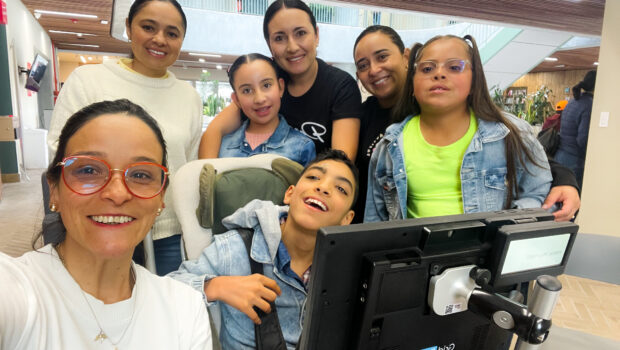
- October 2025: The first in-person gathering took place at the Comfama Rionegro park, coinciding with International AAC Awareness Month. The event brought together six AAC users, their families, and the lead therapist, effectively creating a public space where diverse communication methods were normalized.
- February 2026: Following the success of the inaugural meeting, the project transitioned to a more structured educational format by hosting a shared reading session at a public library in Rionegro. This session focused on early literacy development, utilizing the principles of "Comprehensive Literacy" to expose participants to print knowledge in a social context.
Data-Driven Objectives and Participant Demographics
The project’s structure is guided by specific objectives: to reduce the isolation of non-speaking individuals, to provide meaningful opportunities for AAC usage in natural environments, and to educate the general public about the necessity of diverse communication tools.
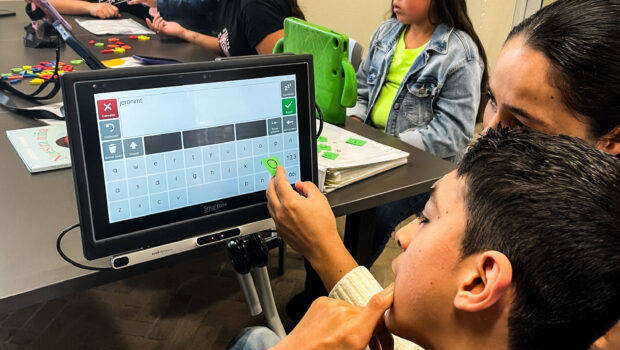
The October 2025 event serves as a primary case study for the project’s demographic reach and technological diversity. The participants utilized a wide spectrum of assistive technologies, highlighting the need for highly individualized support:
- Communication Modalities: 16.6% used Td Snap; 33.3% utilized Proloquo2go; 16.6% employed Grid for iPad; and 33.3% relied on specialized systems (Grid 3) with eye-tracking access modifications.
- Stakeholder Participation: The event successfully integrated ten family members (parents and siblings), which is crucial for creating a "communication partner" support system that extends beyond the clinic.
The Role of Advocacy and Professional Standards
The philosophical underpinnings of VOZ SOS CAAPAZ are heavily influenced by the global movement summarized by the phrase "Nothing About Us Without Us." In 2025, the journal AAC, published by the International Society for Augmentative and Alternative Communication (ISAAC), featured a pivotal article by Gran Blasko titled "Nothing About AAC Users Without AAC Users." This publication acted as a catalyst for Ordóñez, reinforcing her commitment to include the voices and agency of AAC users in every phase of the project, from design to execution.
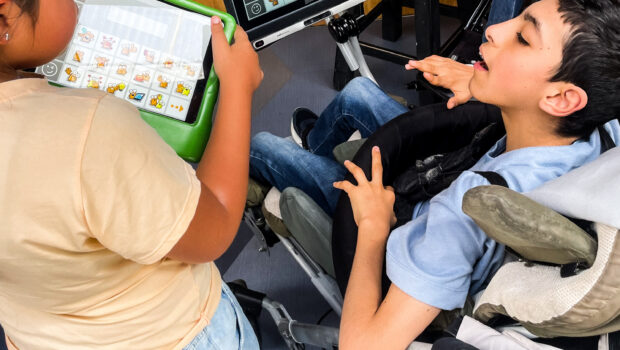
This paradigm shift requires that communication partners—including therapists, educators, and family members—transition from "experts" to "learners." As Ordóñez notes, the therapist must continually train alongside the user to understand the specific language and system requirements of the individual. This horizontal relationship is the hallmark of "Relationship-Based Learning," where the interaction itself is the primary pedagogical tool.
Implications for the Future of AAC in Latin America
The success of the Rionegro-based initiative suggests that there is a significant, unmet demand for community-based AAC programming across Latin America. The project demonstrates that when therapy moves into the public sphere—such as parks and libraries—it achieves three critical goals:
- Normalization: It challenges the stigma surrounding non-traditional communication, forcing the public to encounter and engage with different ways of speaking.
- Literacy Rights: It asserts that literacy is a fundamental right for all, not just those with typical speech development, by providing structured access to texts in a supportive, peer-led environment.
- Presumption of Competence: By assuming that all participants have the potential to learn and contribute, the model avoids the "ceiling effect" often imposed by low expectations in traditional therapy.
Participant feedback confirms the necessity of these spaces. Pablo Andrés Calderón Gómez, an AAC user who attended the inaugural gathering, stated, "We need more people with this Right to Communication." His testimony underscores the social isolation often faced by AAC users and the transformative power of connecting with a peer group that understands their specific communication requirements.
Sustainability and Scalability
As the project enters its next phase, the focus remains on consistency and growth. The monthly schedule, occurring on Saturday mornings, is designed to be sustainable for both families and the organizing therapist. However, the long-term goal involves expanding this model to other municipalities, creating a regional network of communication partners who are well-versed in neuroaffirmative, evidence-based practices.
For families of individuals with communication challenges, the implications of this model are profound. It encourages caregivers to look beyond the "ceiling" of traditional therapy and seek environments that foster autonomy and social interaction. By treating communication as a community effort rather than a private clinical task, VOZ SOS CAAPAZ is setting a new standard for AAC practice in Colombia.
The ongoing evolution of this initiative suggests that the future of AAC lies not only in the sophistication of the technology itself but in the social infrastructure built to support its users. As Ordóñez concludes, the initiative is ultimately about recognizing that every individual has a voice; the role of the professional and the community is simply to provide the necessary access to ensure that voice is heard, respected, and valued in the public square. Through the continued integration of research, advocacy, and direct, community-based action, the VOZ SOS CAAPAZ model provides a replicable roadmap for inclusive communication efforts globally.