The Incident and Regulatory Findings
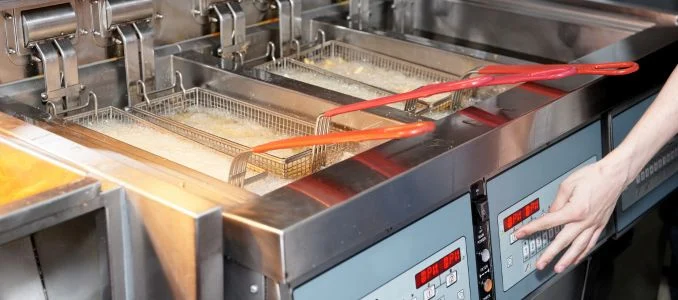
The investigation into Two Beacons LLC was triggered by a workplace accident involving a minor employee. According to federal investigators, the young worker was tasked with operating a manual deep fryer—a clear violation of the Fair Labor Standards Act (FLSA). Federal law strictly prohibits employees aged 14 and 15 from operating, cleaning, or maintaining power-driven food slicers, grinders, or fryers that involve the use of hot oil or grease.
Beyond the specific incident involving the fryer, the DOL investigation uncovered a pattern of systemic noncompliance within the franchise’s operations. Investigators found that the restaurant had been permitting minors under the age of 18 to operate commercial-grade batter mixers. These machines are classified as hazardous equipment under federal child labor provisions, which restrict the types of machinery minors can interact with to prevent life-altering injuries.

Furthermore, the audit revealed that the franchise had consistently ignored federal limits on the working hours for 14- and 15-year-olds. Under the FLSA, minors in this age bracket are restricted in the number of hours they can work per day and week, as well as the times of day they can be scheduled, to ensure that employment does not interfere with their schooling or physical development. By disregarding these time-based restrictions, the employer effectively placed their youngest workers in situations that were not only legally prohibited but potentially detrimental to their well-being.
Chronology of Regulatory Enforcement
The intervention by the Department of Labor represents the culmination of a rigorous review process. While the specific date of the injury triggered the initial inquiry, the subsequent investigation involved a comprehensive audit of personnel records, payroll data, and safety protocols across the franchise’s seven locations.
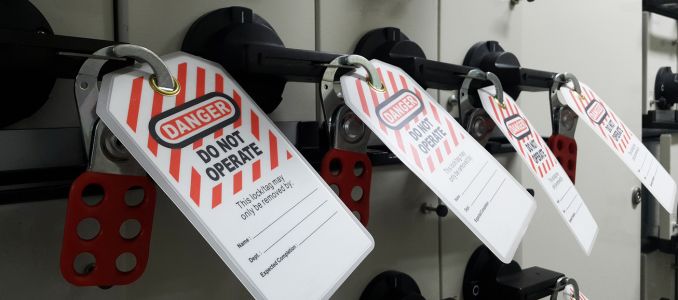
In the wake of the findings, the franchisee entered into an enhanced compliance agreement. This agreement is designed to remediate the lapses in oversight and prevent future occurrences. The timeline for these reforms is immediate, requiring the company to implement new, rigorous internal controls. By signing this agreement, Two Beacons LLC has effectively accepted the $62,235 in penalties and committed to a multi-year oversight program that subjects their operations to closer scrutiny by federal authorities.
The Broader Landscape of Child Labor Violations
The situation involving the Cleveland, Tennessee, Captain D’s is not an isolated incident but rather a symptom of a larger national trend. In fiscal year 2025 alone, federal officials reported a significant surge in child labor enforcement actions. Nationwide, investigators uncovered violations in 976 cases, affecting 5,272 minors. These infractions resulted in more than $37 million in civil money penalties assessed against noncompliant employers across various sectors, including retail, hospitality, and fast food.

The rise in these figures has prompted the Department of Labor to increase its focus on high-risk industries. Officials have noted that the post-pandemic labor market, characterized by high turnover and staffing shortages, has placed increased pressure on managers to fill shifts. In some instances, this pressure has led to the unlawful assignment of prohibited tasks to minor employees. Safety advocates argue that while the economic incentive to utilize younger workers at lower costs exists, the human cost—manifested in burns, lacerations, and long-term developmental impact—is far greater.
Enhanced Compliance and Future Accountability
As part of the settlement, Two Beacons LLC is mandated to undergo a transformation in how it manages its minor workforce. One of the most distinctive requirements of the compliance agreement is the implementation of a “visual indicator” policy: all employees under the age of 16 must wear a specific uniform that distinguishes them from their adult or older teenage colleagues. This measure is intended to provide immediate, at-a-glance information to supervisors and managers, ensuring they can verify at any given moment whether a specific task is permissible for the worker in question.

In addition to visual markers, the agreement mandates:
- Employee Rights Education: The company must provide comprehensive training to all employees, particularly minors, regarding their rights under the Fair Labor Standards Act. This includes informing them of which tasks are prohibited and what hours they are permitted to work.
- Managerial Accountability: The franchise is required to implement strict disciplinary protocols for managers who fail to adhere to child labor laws. This includes the potential for immediate termination of managers found to be in violation of the agreement.
- Ongoing Audits: For the duration of the agreement, the company will be subject to periodic reporting and potential unannounced visits from the Wage and Hour Division to ensure the new safety culture is being maintained.
Analysis of Implications for the Fast-Food Industry
The financial and operational penalties imposed on the Tennessee franchise serve as a warning to other businesses operating within the quick-service restaurant (QSR) sector. The cost of noncompliance—both in terms of government-levied fines and the potential for civil litigation—far outweighs the short-term gains of utilizing minor labor for hazardous tasks.

From a liability perspective, injuries sustained by minors in a workplace setting often carry heavier penalties due to the heightened duty of care owed to young workers. Employers are expected to possess a robust understanding of the FLSA’s hazardous occupation orders. Ignorance of these laws is rarely accepted as a defense, and the systemic nature of the violations found in this case suggests a failure in corporate training and oversight that extends beyond a single bad actor.
For the industry, the implications are clear: the Department of Labor is placing a premium on protecting vulnerable workers. Businesses that fail to integrate safety compliance into their core management practices are increasingly finding themselves in the crosshairs of federal investigators. Furthermore, the reputational damage associated with child labor violations can have long-term effects on brand loyalty and consumer trust.

Conclusion: A Shift Toward Safety
The case of Two Beacons LLC highlights the critical intersection between operational efficiency and the fundamental protection of young workers. By forcing the hand of the franchisee through significant monetary penalties and a mandatory compliance overhaul, the Department of Labor has reinforced the necessity of adhering to established safety protocols.
For parents, school administrators, and the public, this case emphasizes the importance of transparency in youth employment. As the regulatory environment tightens, the onus remains on franchise owners and corporate entities to ensure that their internal policies are not only legally sound but also prioritize the physical integrity of their workforce. The $62,235 penalty is not merely a fine; it is an investment—albeit a forced one—in a safer, more compliant future for the young people entering the labor market. As the federal government continues to scale up its enforcement efforts, the expectation is that such incidents will become less frequent as businesses realize that the price of shortcutting safety is ultimately unsustainable.