The Landscape of Tinnitus in the United Kingdom
To understand the necessity of organizations like Tinnitus UK, one must first consider the scale of the condition. Clinical data suggests that approximately 10% to 15% of the adult population experiences persistent tinnitus, with a significant subset reporting that the condition impacts their mental health, sleep quality, and professional performance. Historically, patients have reported feeling isolated or neglected by conventional healthcare systems that often lack the time or specific expertise to manage the nuanced nature of the condition.
Tinnitus UK has evolved from its origins as a patient-led initiative to a sophisticated advocacy body. Over the past decade, the organization has shifted its focus from purely informational support to a multifaceted model that includes research funding, professional training for audiologists, and direct engagement with the government to influence public health policy. The membership model serves as the financial and structural backbone of these efforts, ensuring the charity maintains independence and the ability to pivot toward emerging research priorities.
Chronology of Advocacy and Support
The evolution of Tinnitus UK’s membership benefits reflects a broader shift in patient advocacy. In the early 2000s, support was largely limited to localized group meetings and printed pamphlets. By the 2010s, the integration of digital platforms allowed for a more robust dissemination of information. The current membership tier, which includes the “Living with Tinnitus” guide and a dedicated member portal, represents the culmination of this transition toward a hybrid model of digital connectivity and tangible resources.
Key milestones in the organization’s recent history include the expansion of their webinar program during the pandemic, which demonstrated a massive surge in demand for expert-led virtual sessions. This pivot enabled researchers and clinicians to reach patients who were previously geographically isolated, proving that community-based support could be scaled effectively through digital channels. The subsequent introduction of the annual QUIET magazine and the professional-tier newsletter further stratified the membership to ensure that both the general public and healthcare practitioners could derive specific value from their affiliation with the charity.
Detailed Membership Benefits and Structural Support
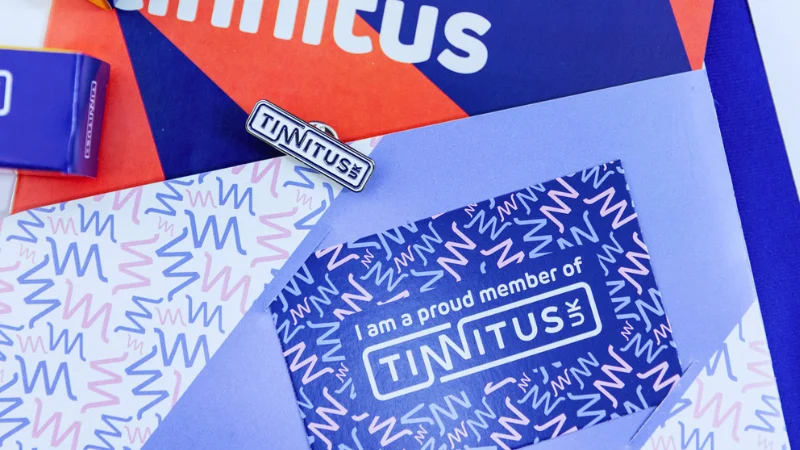
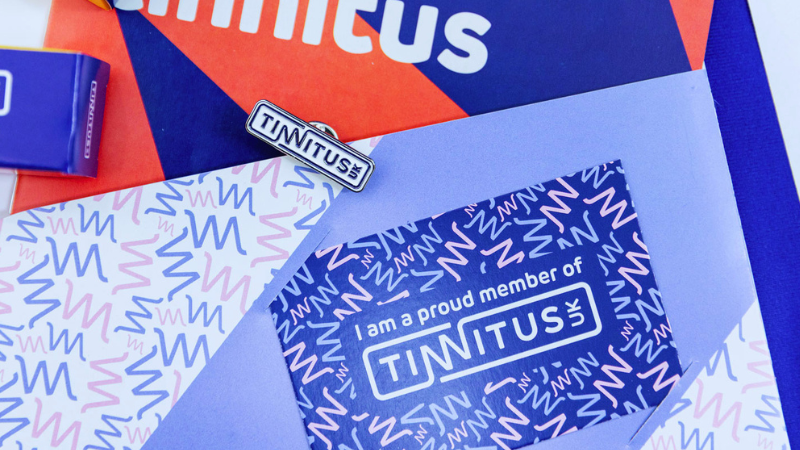
The membership program is designed to bridge the gap between clinical research and daily self-management. The Tinnitus UK Welcome Pack serves as the initial point of contact for new members, providing not only symbolic items like the membership card and pin badge but also clinical guidance. The "Living with Tinnitus" guide is a peer-reviewed document that translates complex physiological concepts into actionable advice, focusing on cognitive behavioral strategies and sound therapy management.
Expert-Led Educational Webinars
One of the most significant pillars of the current membership structure is the live webinar series. These sessions are hosted by leading experts, including audiologists, ENT surgeons, and psychologists. Analysis of recent session data indicates that participants who engage in these webinars report higher levels of self-efficacy—the belief in one’s ability to manage their condition. The ability to engage in a Q&A format provides a personalized dimension to the learning experience, allowing members to address specific queries that might not be covered in standard medical appointments.
The Role of Research and Information Dissemination
The annual QUIET magazine and the monthly FOCUS newsletter play a critical role in the information ecosystem of the charity. By curating research updates, the organization acts as a filter for members, separating speculative news from evidence-based advancements in tinnitus research. This is particularly relevant given the rapid development of neurostimulation and pharmaceutical trials currently underway in the field. Providing this information in a professional, accessible format helps mitigate the impact of misinformation, which can often exacerbate the psychological distress associated with tinnitus.

Institutional Governance and Member Participation
A defining feature of Tinnitus UK’s membership is the democratic participation of its members through the Annual General Meeting (AGM). Unlike many passive support organizations, Tinnitus UK empowers its members to influence the charity’s strategic direction. Voting rights at the AGM allow members to hold the organization accountable, ensuring that the charity’s activities remain aligned with the needs of the patient population. This governance structure is indicative of a move toward "patient-partnered" healthcare, where those affected by a condition are treated as key stakeholders in the research and policy process.
Economic and Professional Implications
For an annual membership fee of £30, the value proposition includes both tangible goods and intangible support networks. From an economic perspective, the membership fee is a subsidized cost; the actual expense of producing high-quality publications, hosting expert webinars, and maintaining the administrative infrastructure of the charity significantly exceeds the per-member fee. Consequently, the membership program functions as a form of "social investment."
For professionals working within the field—such as clinical audiologists and primary care physicians—the Professional edition of the monthly newsletter offers a unique opportunity for continuing professional development. By keeping practitioners updated on the latest evidence-based care standards, Tinnitus UK indirectly improves the quality of care provided to the thousands of patients who may never interact with the charity directly, but who benefit from better-informed medical practitioners.

Future Outlook and Research Advocacy
The implications of sustained membership support are clear: increased funding leads to more robust research advocacy. Tinnitus UK has been instrumental in lobbying for greater transparency in tinnitus-related medical research and for the integration of tinnitus care into the broader framework of mental health services. As the organization continues to grow, the data gathered from its member base provides valuable insights into the demographic distribution and prevalence of the condition, which in turn helps to secure further grant funding for clinical trials.
Conclusion: A Strategic Commitment to Change
Membership with Tinnitus UK is not merely a transactional arrangement; it is a commitment to a collective movement. By providing a synthesis of educational, professional, and advocacy resources, the organization addresses the multi-layered needs of the tinnitus community. Whether through the direct management of symptoms via professional guidance or the long-term pursuit of a cure through research advocacy, the program offers a structured path forward for those navigating the challenges of living with tinnitus. As the landscape of auditory health continues to evolve, the necessity for such a unified and informed community becomes ever more apparent, positioning Tinnitus UK as a central node in the global effort to mitigate the impact of this condition on human health and well-being. For those seeking to stay informed, contribute to research progress, and access expert-led support, the £30 annual investment represents a significant step toward personal empowerment and systemic change.