A Chronology of Early Intervention
The diagnostic timeline for children with permanent hearing loss is a significant factor in their long-term developmental trajectory. Research from the Joint Committee on Infant Hearing (JCIH) consistently indicates that children who receive intervention—including auditory equipment and therapeutic support—before six months of age are significantly more likely to achieve language skills commensurate with their hearing peers.
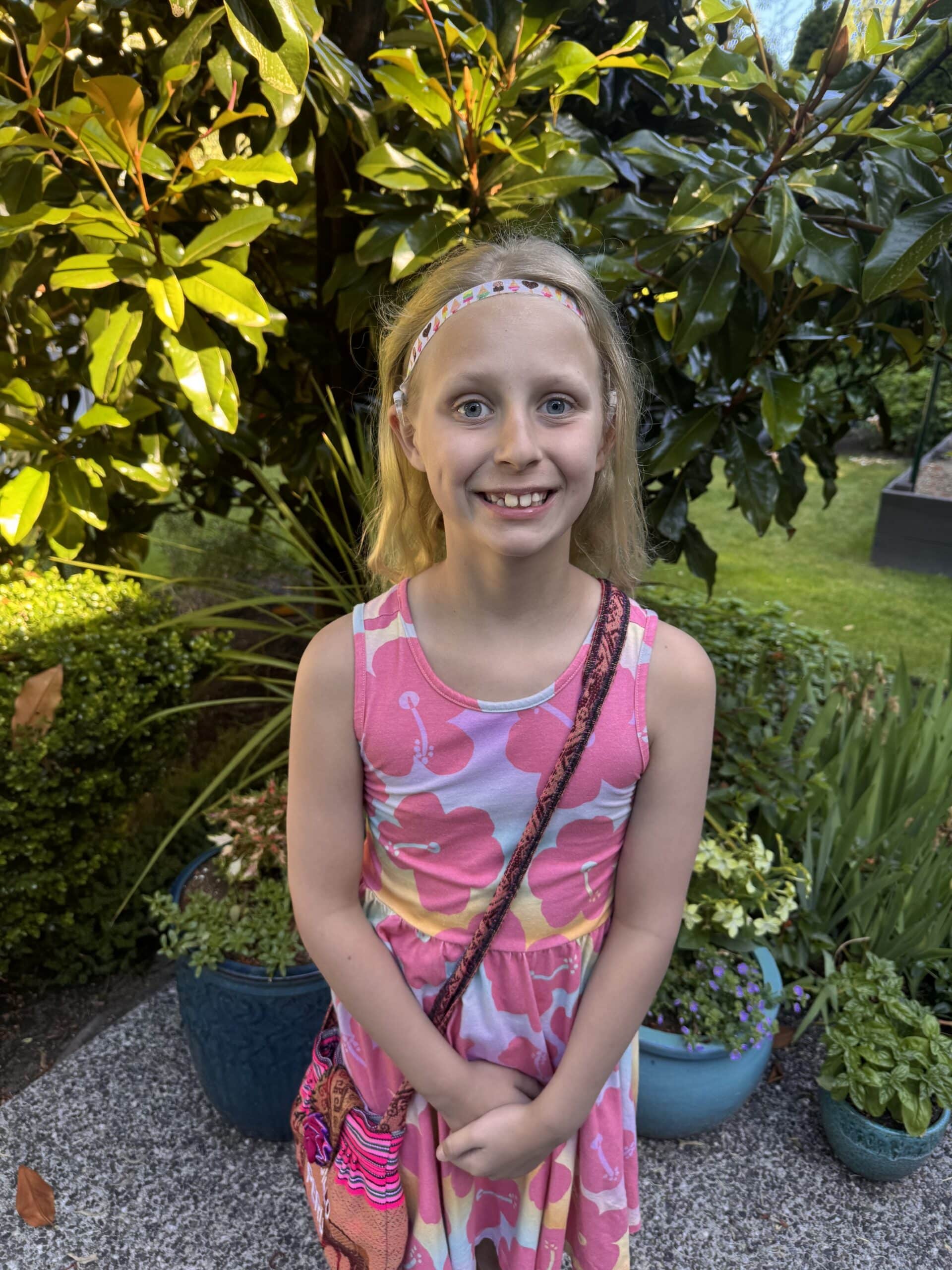
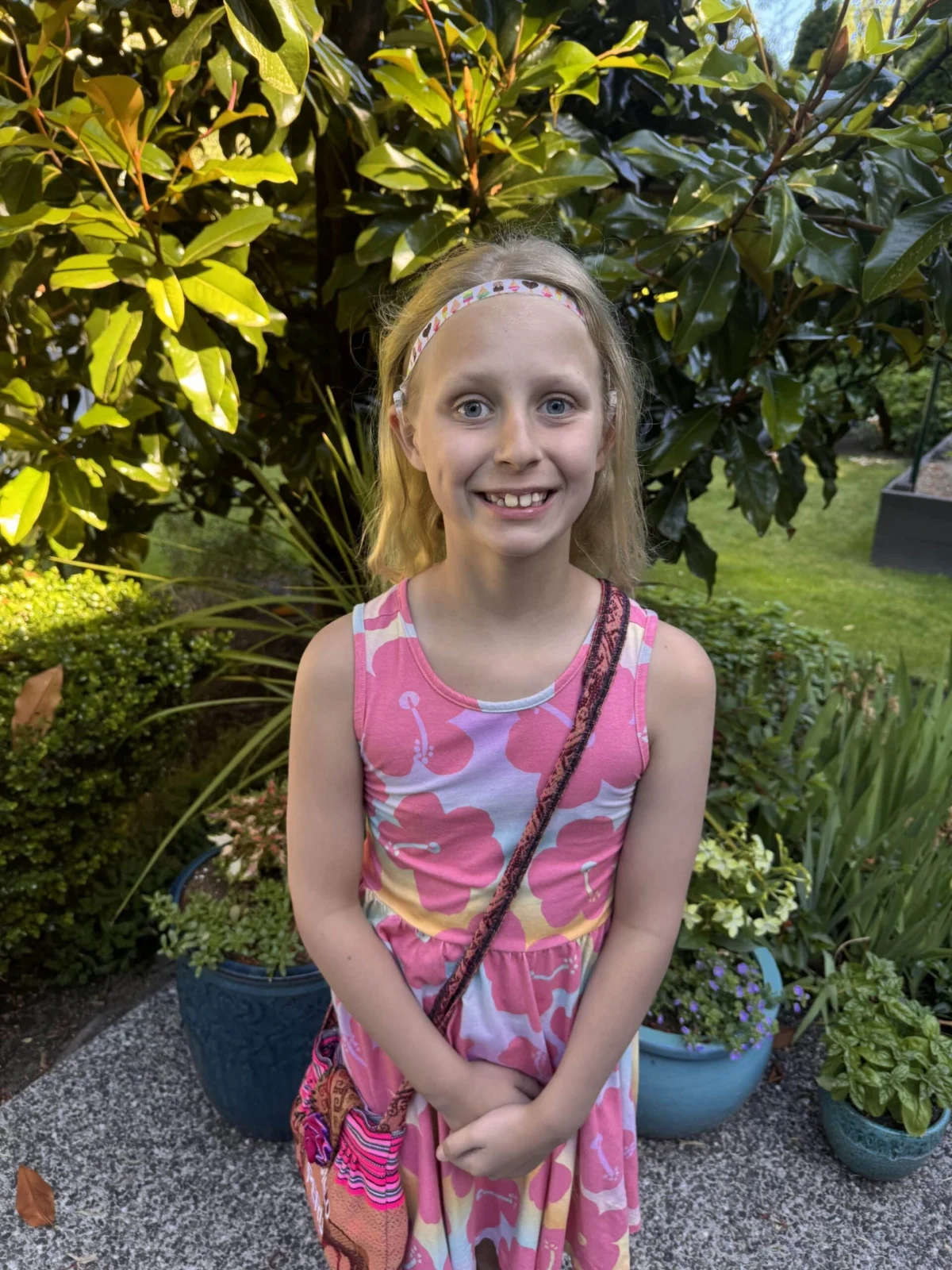
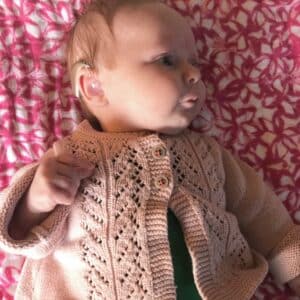
Marna’s path followed this clinical best practice. Her initial diagnostic screening led to the fitting of her first pair of hearing aids at the age of two months. This early sensory access provided the neural stimulation required for the brain’s auditory pathways to begin development. Recognizing that her hearing loss necessitated more robust intervention, her medical team proceeded with the implantation of a cochlear implant at twelve months of age, followed by a second implant at age two. This bilateral approach is increasingly standard in the field, as it provides binaural hearing, which is essential for sound localization and speech perception in noisy environments, such as classrooms or recreational settings.
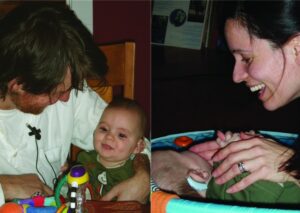
Following these medical milestones, the Klein family integrated LSL strategies into their daily routine. By engaging with the Listen and Talk Birth-to-3 program, the family received specialized home visits. These sessions focused on coaching parents to become the primary facilitators of their child’s language development, ensuring that every interaction was rich in auditory input.
The Role of Specialized Educational Environments
Between the ages of three and five, Marna transitioned into the Listen and Talk Blended Classroom program. Educational research underscores the value of these specialized settings, which provide a bridge between clinical therapy and the mainstream academic environment. By placing children in classrooms equipped with specialized acoustic treatments and staffed by teachers trained in deaf education, the program minimizes the barriers often associated with hearing loss.
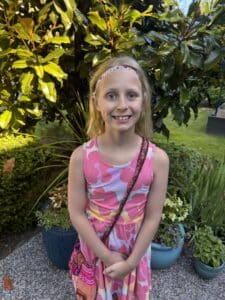
The "blended" model is particularly notable for its integration of students with varying degrees of hearing loss and, in some models, their hearing peers. This social environment fosters the development of self-advocacy skills. For a child with cochlear implants, learning to articulate their needs—such as requesting a teacher to use a remote microphone system or ensuring they have a clear line of sight for speech reading—is as vital as their academic proficiency. Marna’s development of these skills, as noted by her family, highlights the program’s focus on fostering independence and self-esteem alongside technical listening capabilities.
Data and Trends in Auditory Rehabilitation
The prevalence of hearing loss in newborns is approximately 1 to 3 per 1,000 births, making it one of the most common congenital conditions identified through newborn screening programs. The advancements in cochlear implant technology over the last decade have dramatically shifted the potential outcomes for this population. Modern devices now offer improved processing strategies, better battery life, and more robust connectivity, allowing children to participate in mainstream activities, from competitive sports like lacrosse and soccer to rigorous academic pursuits.
According to data from the American Cochlear Implant Alliance, the number of pediatric cochlear implant recipients has grown steadily. This growth is supported by clinical data suggesting that children who receive implants early and participate in intensive auditory-verbal therapy often enter kindergarten with language abilities that are statistically indistinguishable from their typically hearing peers. The financial and societal implications are substantial: early intervention significantly reduces the need for long-term special education services and increases the likelihood of mainstream educational and vocational success.
The Impact of Community and Family Support
The transition from early intervention to long-term success is rarely a solitary endeavor. It requires a sustained commitment from families, educators, and the broader community. The Alumni Family Giving Campaign, currently being promoted by institutions like Listen and Talk, serves as a crucial mechanism for maintaining the fiscal health of these specialized programs.
For many families, the challenge of navigating the medical and educational systems is compounded by the emotional weight of a diagnosis. Organizations that offer a community of support—where parents can exchange information and children can interact with role models who share their experiences—are essential. These networks provide a platform for advocacy, ensuring that schools and community organizations remain informed about the needs of children with hearing technology.
Perspectives on Future Advocacy
The success stories of children like Marna are being used by advocacy groups to push for broader systemic changes. These include the expansion of newborn hearing screening mandates to include later-onset hearing loss, increased insurance coverage for speech therapy and audiological services, and the implementation of universal design in public education spaces to accommodate students with hearing technology.

Experts in the field of audiology emphasize that the "listening and spoken language" approach is not the only path for children who are deaf or hard of hearing, but for families who choose this route, the evidence is clear: the combination of early technological intervention and high-quality, specialized education creates a foundation for lifelong achievement.
Broader Implications for Healthcare and Education
The trajectory of a child who is deaf or hard of hearing is no longer dictated by the limitations of their biology. Instead, it is increasingly defined by the timing of their access to information, the quality of their educational environment, and the strength of their support network. As the medical community continues to refine cochlear implant technology, the educational sector must simultaneously adapt. The demand for teachers who hold certifications in deaf and hard-of-hearing education, as well as speech-language pathologists with specialized auditory-verbal certifications, remains high.
For institutions like Listen and Talk, the mission is to demonstrate that hearing loss, while a permanent condition, does not have to be a limiting factor. By investing in the formative years of a child’s life, society secures a future in which those children can engage fully in all aspects of life—from the classroom to the athletic field and beyond. The "Alumni Family Giving Campaign" represents more than just a fundraising initiative; it is an effort to sustain a model of care that has been proven to transform lives.
As Marna Klein continues to pursue her interests in reading, hiking, and sports, she stands as a testament to the fact that with the right support, the limitations once associated with hearing loss are being effectively dismantled. The challenge for policymakers and healthcare providers moving forward is to ensure that the access Marna received is not a privilege afforded to a few, but a standard component of pediatric care and educational access for every child. The integration of clinical excellence and community-based support remains the gold standard for empowering the next generation of students with hearing loss to reach their full potential.