The Historical Context of International Book Day
International Book Day, established by UNESCO in 1995, commemorates the legacy of authors such as Miguel de Cervantes and William Shakespeare. Beyond its literary roots, the day has evolved into a global platform for promoting accessibility in education. For the AAC community—a field dedicated to individuals who cannot rely on speech to meet their daily communication needs—this celebration provides a timely occasion to assess how academic literature serves as a foundation for clinical and educational practice.
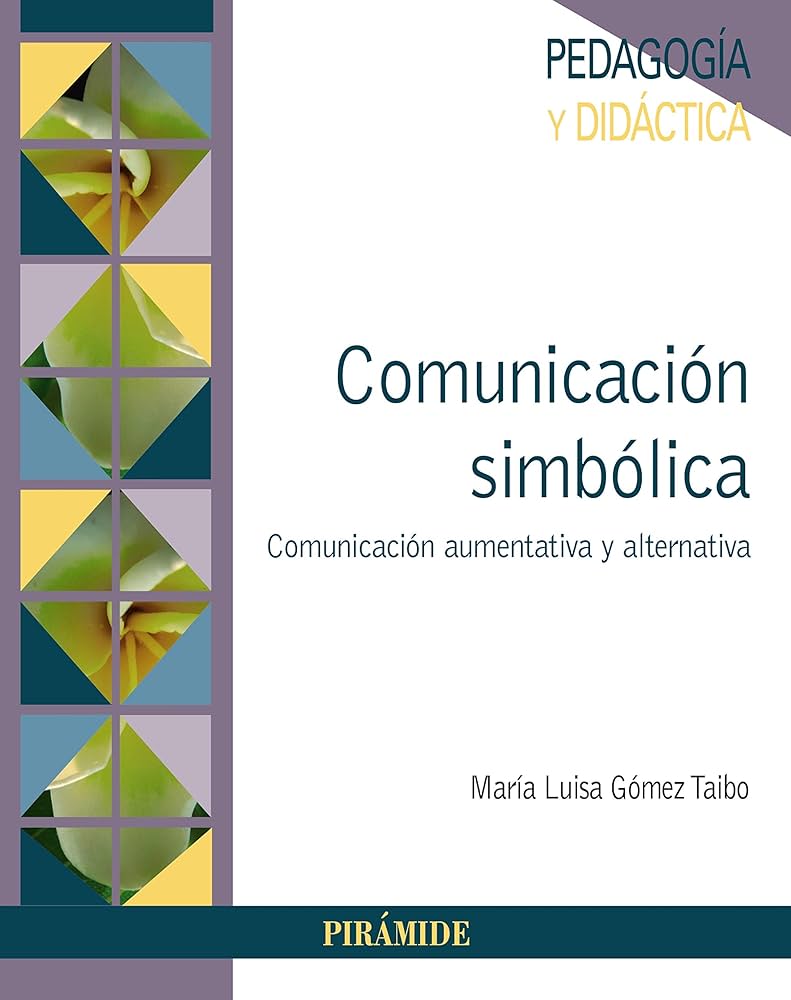
In the Spanish-speaking world, which encompasses over 450 million native speakers, the availability of peer-reviewed, translated literature in the field of disability studies has historically lagged behind English-language resources. This gap has often resulted in a reliance on imported methodologies that may not always align with the cultural and linguistic nuances of Latin American and Spanish contexts.
Bridging the Knowledge Gap: A Chronology of Progress
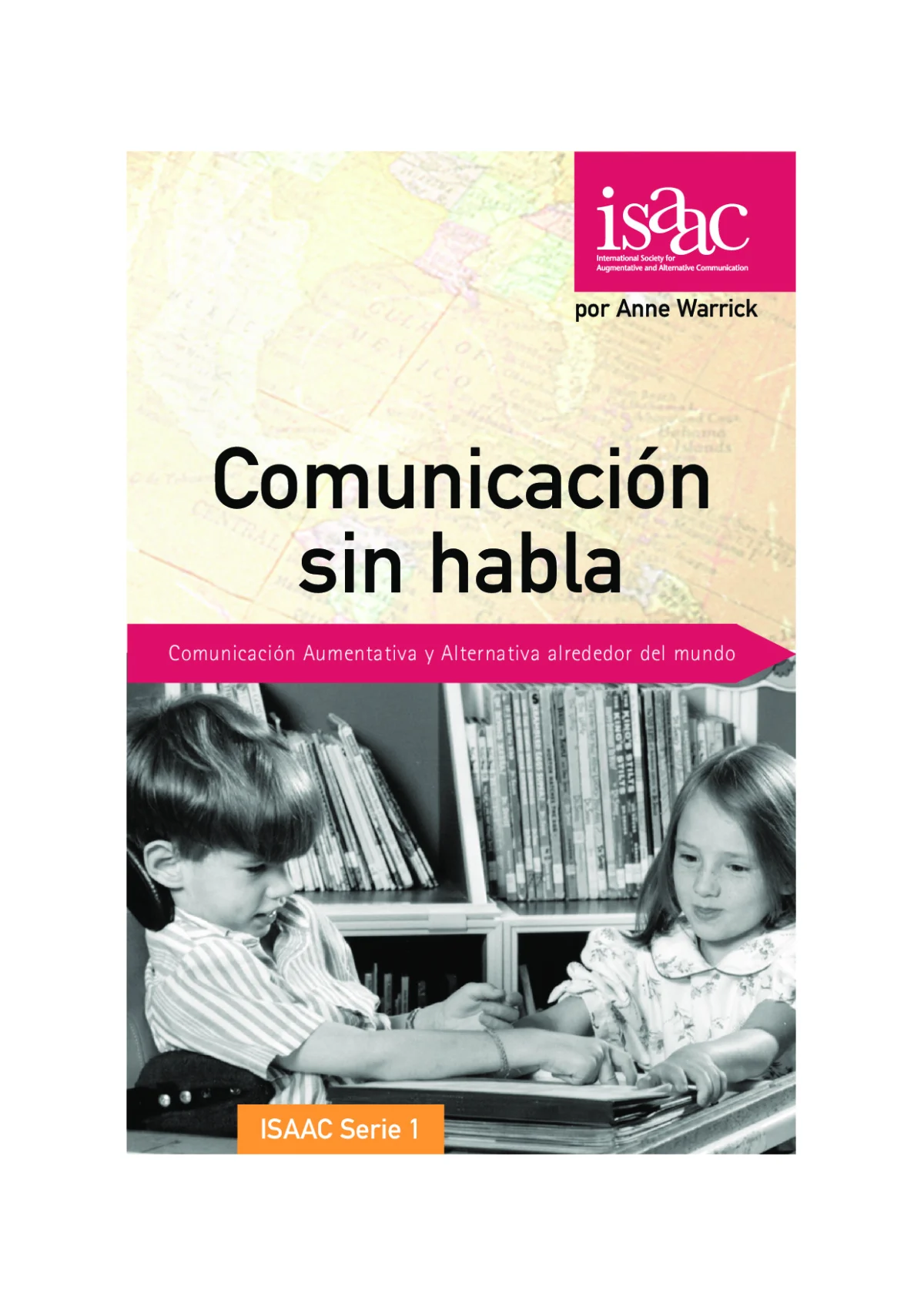
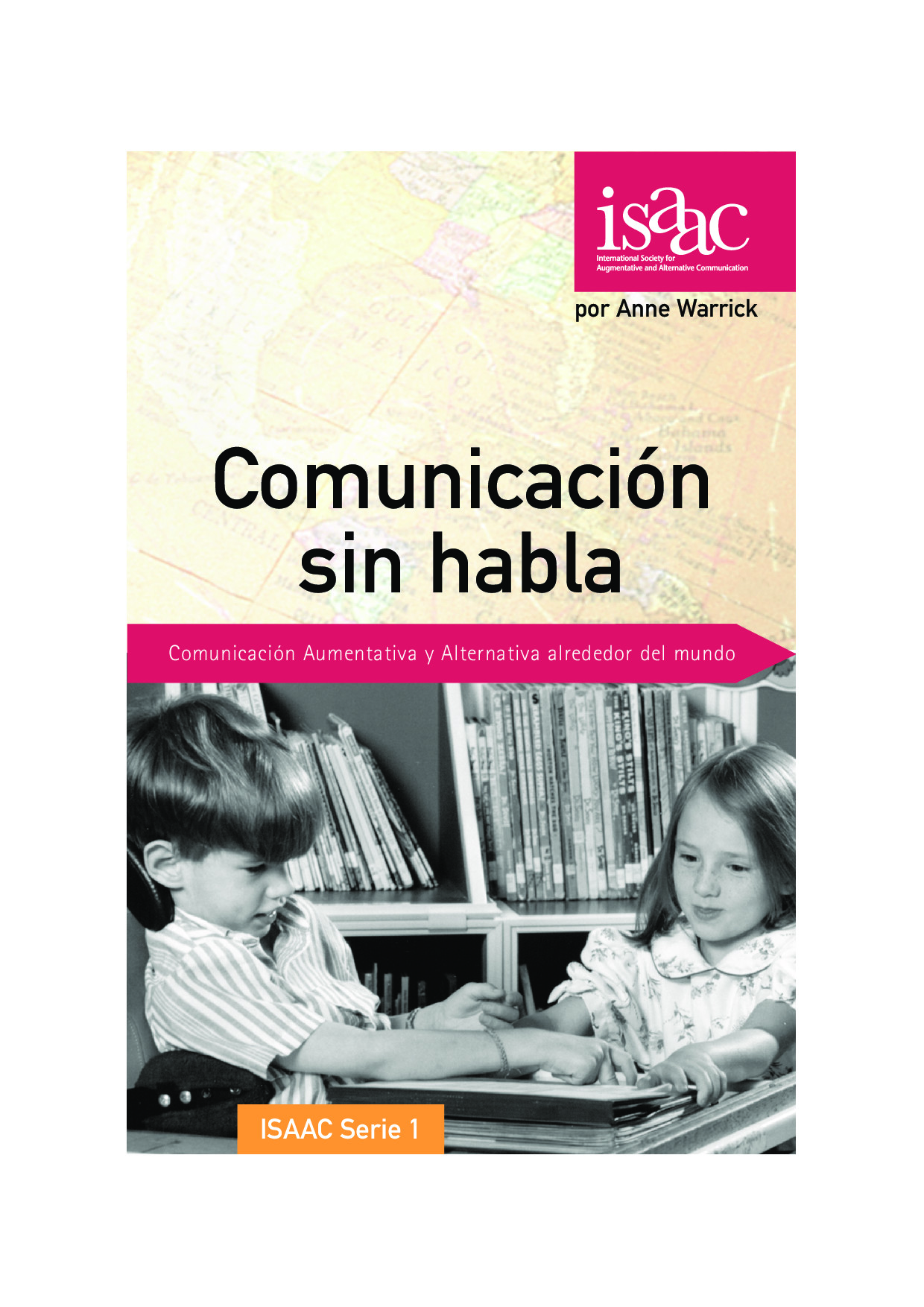
The efforts to expand the Spanish-language AAC canon did not occur in isolation. For decades, the International Society for Augmentative and Alternative Communication (ISAAC) has spearheaded initiatives to translate foundational texts.
- 1983: The founding of ISAAC establishes the first global network for professionals to share research.
- 1990s-2000s: Early academic discourse in Spanish remains limited to isolated case studies and practitioner-led manuals rather than comprehensive textbooks.
- 2010s: Increased emphasis on evidence-based practice (EBP) leads to a surge in demand for translated, peer-reviewed literature.
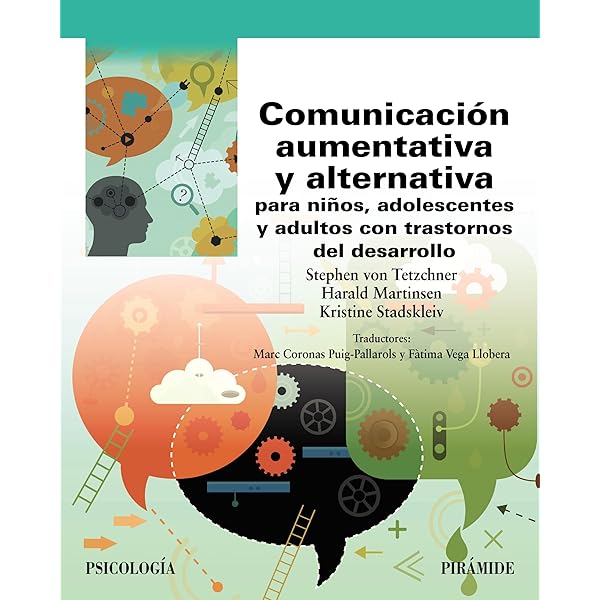
- 2020-2026: A new era of accessibility emerges, characterized by the publication of definitive works like the Spanish translation of Augmentative and Alternative Communication for Children, Adolescents and Adults with Developmental Disorders by Stephen von Tetzchner, Harald Martinsen, and Kristine Stadskleiv.
The publication of this specific text represents a watershed moment for the Spanish-speaking community. By providing a comprehensive, research-backed framework for assessment and intervention, the book effectively standardizes clinical approaches across diverse regions, from the Southern Cone to the Iberian Peninsula.
The Impact of Evidence-Based Literature
The significance of the work authored by von Tetzchner et al. lies in its multifaceted approach to complex communication needs. The text covers the spectrum of AAC implementation, including the transition from symbolic to non-symbolic communication, the integration of high-tech devices, and the psychological development of individuals with developmental disorders.
From an analytical perspective, the shift toward localized, high-quality literature has three major implications for the field:
- Standardization of Practice: Professionals in remote or underserved areas now have access to the same theoretical foundations as those in major urban centers, reducing the variance in the quality of care.
- Parental Empowerment: Families are the primary stakeholders in the AAC journey. Providing them with professional-grade literature in their native language transforms them from passive recipients of therapy into informed advocates for their children.
- Cultural Adaptation: When academic concepts are translated accurately, they allow for the necessary "localization" of strategies. This ensures that linguistic features specific to Spanish are considered during the selection of symbols and the design of communication boards.
Supporting Data and Demographic Trends
According to recent estimates from health organizations specializing in neurodevelopmental disorders, the global prevalence of individuals who require some form of AAC is significant, with approximately 1.5% of the population experiencing severe speech impairment. In Spanish-speaking nations, this represents a demographic of several million people who require sustained, informed intervention.

The recent push to provide Spanish resources correlates with a growing interest in disability rights legislation across Latin America. Many countries have recently ratified the UN Convention on the Rights of Persons with Disabilities (CRPD), which mandates that persons with disabilities have access to information in formats that are accessible. Books on AAC are not merely professional resources; they are essential tools for ensuring that the right to communicate is upheld in schools, clinics, and domestic settings.
Perspectives from the Field
Industry experts and members of the international AAC community have emphasized that the work of translation is an ongoing mission. Claudia Marimón, a noted advocate for AAC integration in Spanish-speaking territories, highlights that the "democratization of knowledge" is the primary goal of these efforts.
"The availability of these texts is not just about having books on a shelf," note practitioners within the network. "It is about the ability to translate evidence into action. When a teacher or a therapist reads a foundational text in their own language, the barrier to implementation is significantly lowered."
Official responses from educational bodies have also been positive, with an increasing number of universities in Spain and Latin America incorporating these specialized texts into their speech-language pathology (SLP) and special education curricula. This pedagogical integration is expected to have a long-term impact on the next generation of therapists, who will enter the workforce with a more robust theoretical foundation than their predecessors.
Future Implications and Conclusion
As we look toward the remainder of the year, the focus remains on sustaining the momentum generated by International Book Day. The challenge moving forward is twofold: first, the continued translation and publication of emerging research; and second, the distribution of these resources to rural and marginalized communities where the digital divide may still exist.
The intersection of technology and literacy continues to redefine the boundaries of what is possible for individuals with complex communication needs. By ensuring that the professional literature keeps pace with these technological advancements, the community ensures that no child or adult is left behind due to a lack of accessible information.
In conclusion, the recognition of AAC resources during International Book Day is more than a symbolic gesture; it is a strategic effort to fortify the infrastructure of inclusion. Through the continued work of organizations like ISAAC and the dedication of practitioners to provide high-quality, evidence-based content, the Spanish-speaking AAC community is creating a more equitable landscape for communication. As more professionals and families gain access to these foundational texts, the collective ability to foster inclusive environments will continue to expand, ensuring that the voice of every individual is heard, recognized, and supported. The evolution of this field, rooted in both the science of language and the art of advocacy, remains one of the most promising developments in modern special education.