The Genesis of the Collaborative Project
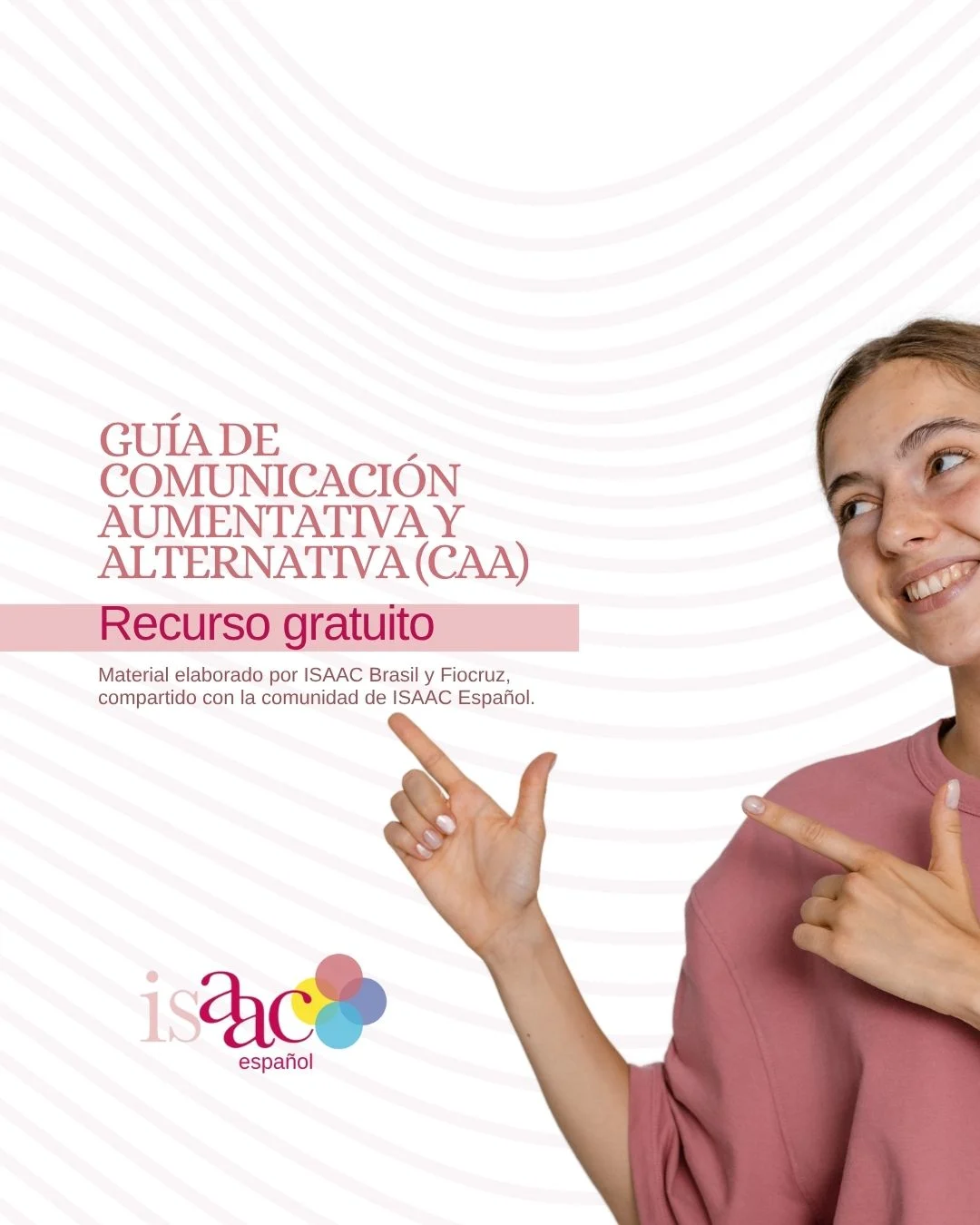
The initiative began as a response to the stark disparity in available clinical and educational resources for non-speaking individuals in Latin America. While the field of AAC has seen rapid technological growth in English-speaking nations, the dissemination of best practices in Spanish has often been fragmented. ISAAC Brazil and Fiocruz recognized that for communication interventions to be successful, there must be a unified understanding of rights-based care and implementation strategies.
The project followed a rigorous development timeline:
- Initial Research Phase (2024): Identification of key knowledge gaps among caregivers and service providers in Brazil and neighboring Spanish-speaking regions.
- Drafting and Peer Review (2025): Subject matter experts at Fiocruz and ISAAC members compiled evidence-based practices, ensuring that the content remained accessible yet technically sound.
- Translation and Cultural Adaptation (Early 2026): The translation process was not merely linguistic but cultural, ensuring that terminology aligned with the diverse dialects and educational systems found throughout the Hispanic world.
- Official Launch (April 2026): The guide was released as a public-domain, free-to-access resource, accompanied by a digital distribution campaign to maximize reach.
Core Objectives and Content Structure
The primary objective of the guide is to standardize the approach to AAC implementation. By providing a common vocabulary and framework, the authors hope to reduce the frustration often experienced by families who struggle to navigate the complex landscape of speech-language pathology and assistive technology.
The document is structured to guide the reader through three distinct pillars of AAC:
- Legal and Human Rights: A detailed breakdown of the international standards regarding the right to communicate, emphasizing that AAC is not merely a clinical intervention but a fundamental human right.
- Clinical Foundations: Explanations of how various AAC systems function, ranging from low-tech paper-based communication boards to high-tech, eye-tracking speech-generating devices.
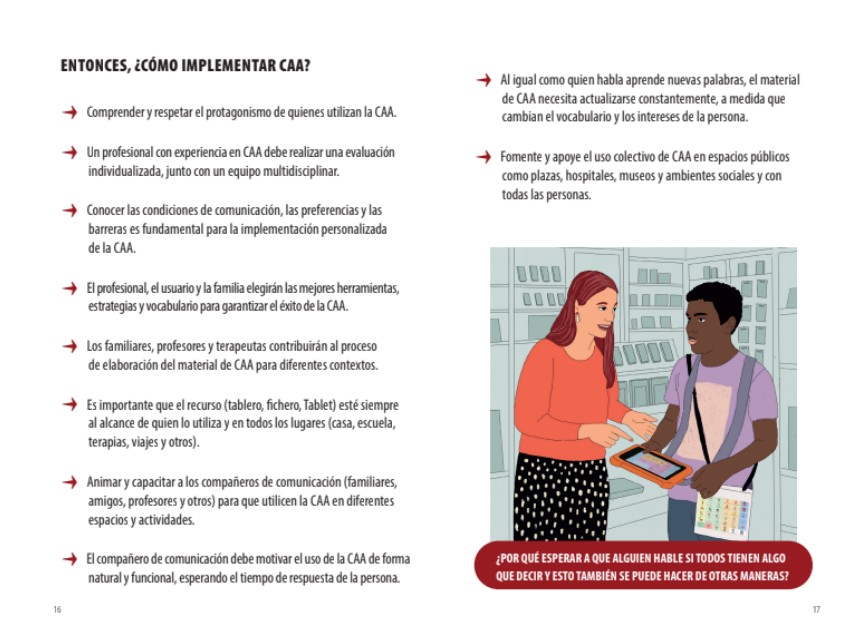
- Implementation Strategies: A "how-to" approach that emphasizes the role of the communication partner, highlighting that an AAC device is only as effective as the environment in which it is used.
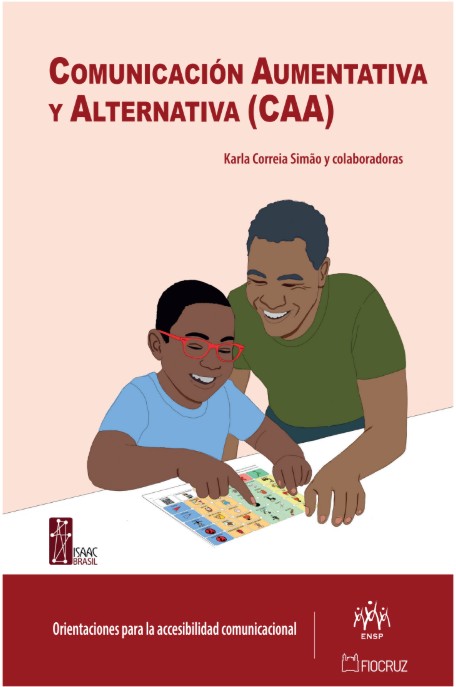
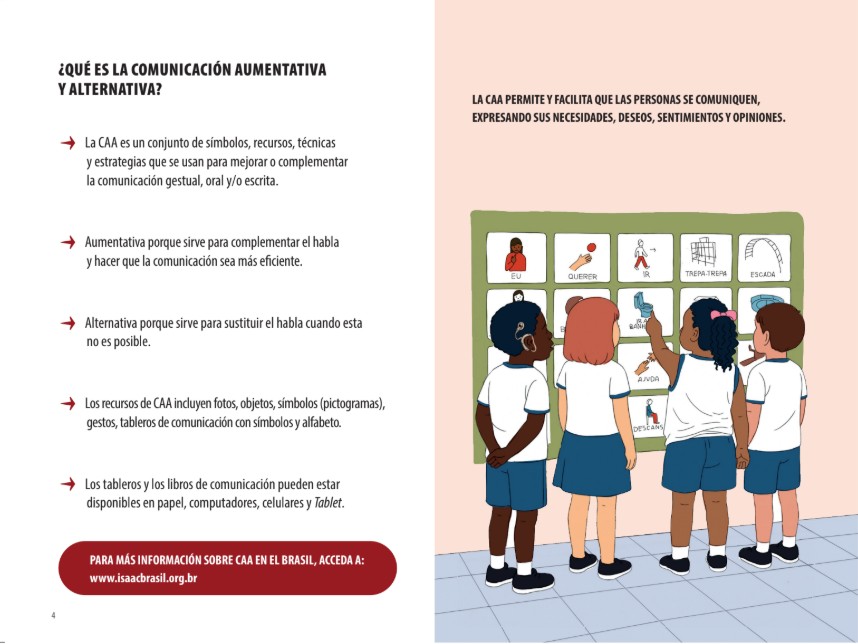
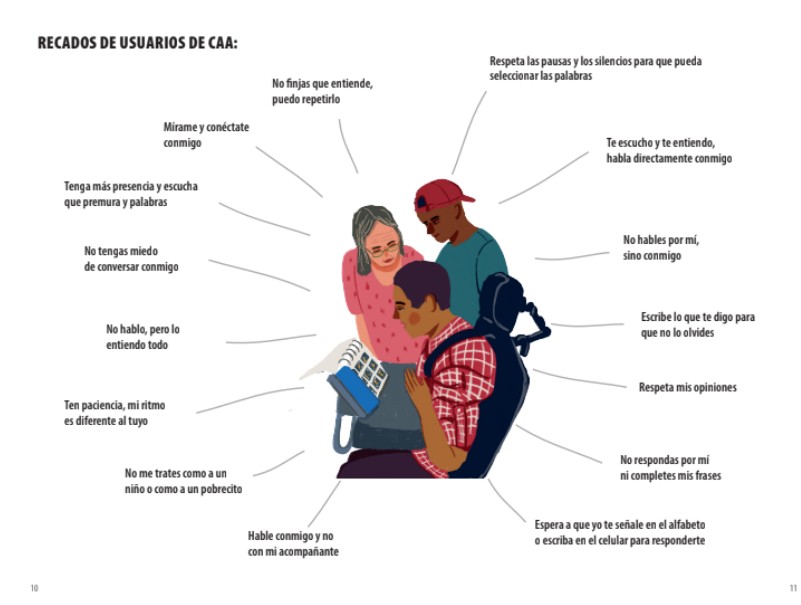
One of the most notable features of the guide is its visual component. The manual uses illustrations of actual AAC users, a deliberate choice intended to destigmatize the use of assistive technology and provide a sense of representation for the community it serves.
Supporting Data and the Global AAC Landscape
The global need for such resources is underscored by data regarding speech and language disorders. According to the World Health Organization (WHO), more than one billion people live with some form of disability, a significant portion of whom experience limitations in oral communication. In many low- and middle-income countries, access to specialized speech therapy can be restricted by economic barriers or a lack of trained professionals.

The introduction of this guide is part of a broader trend toward "open-access advocacy" in the disability sector. By providing a free, downloadable resource, the creators are attempting to bypass the financial gatekeeping that often accompanies high-end assistive technology training. Data from the initial download analytics—monitored by ISAAC—suggests that interest is highest among early-intervention specialists and primary school teachers, groups that frequently act as the first point of contact for children needing communication support.
Official Responses and Institutional Perspective
Representatives from ISAAC have characterized the launch as a necessary step in the organization’s long-term mission to support the "communication-inclusive" society. While specific statements from project leads at Fiocruz emphasize the scientific rigor of the document, the broader consensus among the professional community is that the guide serves as a practical bridge between theoretical research and everyday application.
"The goal is to ensure that geography and socioeconomic status do not dictate the quality of communication support an individual receives," noted an advocate involved in the project’s distribution. By leveraging social media platforms like Instagram and Facebook, the team has been able to reach practitioners in remote areas who may not have access to traditional academic journals or international conferences.
Broader Impact and Long-Term Implications
The impact of this guide is expected to be felt in both the educational and clinical sectors. In the classroom, teachers are often tasked with integrating students who have profound communication needs but may lack the specialized training required to facilitate AAC. The guide provides these educators with a concise, actionable manual that can be referenced in real-time, potentially reducing the incidence of "abandonment"—a common phenomenon where AAC devices fall into disuse due to a lack of user training or environmental support.
Furthermore, the document serves as a catalyst for professional development. By creating a standardized resource, the authors have provided a foundation upon which local organizations can build their own workshops and training programs. This decentralized model of education is designed to create a self-sustaining ecosystem of support, where knowledge is shared horizontally rather than top-down.
Fact-Based Analysis of Future Challenges
While the guide is a significant advancement, experts note that the success of such initiatives is contingent on consistent follow-up. The challenge remains moving beyond the "download phase" to ensure that the information is actually being applied in clinical settings. Future efforts will likely need to focus on digital literacy for caregivers and the ongoing technical maintenance of the devices discussed in the guide.
Moreover, as the digital divide continues to shrink, the integration of AI and machine learning into AAC software will likely necessitate updates to the guide. The current document focuses on the essentials, providing a stable baseline for users who are just beginning their AAC journey. By focusing on fundamental human interaction rather than just hardware, the guide ensures its relevance even as the underlying technology evolves.
Conclusion and Access Information
The publication of this guide represents a pivotal moment for AAC in Spanish-speaking regions. It acknowledges that the right to communicate is universal and that the tools to facilitate that right must be accessible to all. Interested parties can access the full guide through the official channels of ISAAC Spanish-language divisions, where both digital downloads and printable versions are available.

As the community continues to utilize this resource, the focus will likely shift to monitoring its efficacy in improving communication outcomes. For now, the collaboration between ISAAC Brazil and Fiocruz stands as a model for future cross-institutional efforts, proving that when expert knowledge is synthesized and made freely available, the barriers to inclusion begin to diminish. For professionals, families, and stakeholders, the guide is a testament to the power of shared knowledge in creating a more accessible, communicative future for all.