
The Growing Crisis of Untreated Hearing Loss
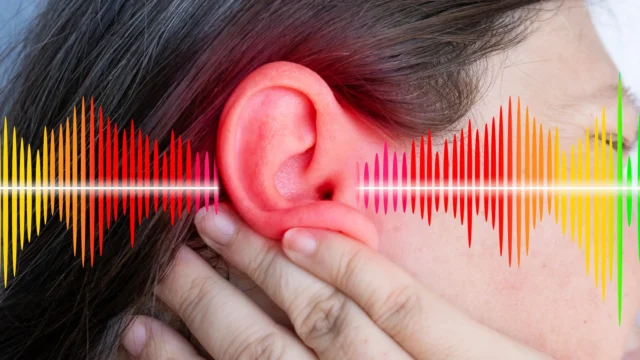
Hearing loss is one of the most prevalent yet undertreated chronic conditions in the United States. According to the National Institute on Deafness and Other Communication Disorders (NIDCD), approximately 15% of American adults—roughly 37.5 million people—report some trouble hearing. Despite the high prevalence, the adoption rate of hearing technologies remains strikingly low. Data from the Centers for Disease Control and Prevention (CDC) suggests that only about one in four adults who could benefit from hearing aids has ever used them.
The consequences of this treatment gap are far-reaching. When hearing loss goes unaddressed, it creates a "communication barrier" that gradually erodes a person’s ability to participate in the world around them. "Hearing loss affects an estimated 40 million American adults, yet many go untreated," Dr. Choi noted. "When left unaddressed, hearing loss can make communication difficult, leading people to withdraw from conversations and social activities." This withdrawal is rarely a sudden event; rather, it is a slow attrition of social engagement. Individuals may find it increasingly exhausting to follow conversations in noisy environments, such as restaurants or family gatherings, leading to a phenomenon known as "listening fatigue." Over time, the effort required to listen outweighs the reward of the interaction, prompting many to opt for isolation instead.
Methodology: A Systematic Review of Global Data
To understand the specific impact of hearing devices on social health, Dr. Choi and her team conducted a rigorous systematic review and meta-analysis. The researchers examined 65 previously published studies, encompassing a diverse pool of over 5,000 participants. This large-scale approach allowed the team to look beyond anecdotal evidence and identify consistent patterns across different populations and device types.
The study focused on three primary metrics of social health:
- Social Quality of Life: A measure of how satisfied an individual is with their social interactions and relationships.
- Perceived Social Handicap: The degree to which an individual feels their hearing loss limits their participation in social life or causes frustration during interactions.
- Loneliness: The subjective feeling of being disconnected or lacking meaningful companionship.
By synthesizing decades of research, the USC team was able to provide a high-level statistical confirmation that both hearing aids and cochlear implants provide tangible improvements across these metrics. The findings indicate that users feel more confident in group settings and are better equipped to navigate challenging acoustic environments, such as rooms with significant background noise.
The Biological and Neurological Stakes of Isolation
The USC study arrives at a time when the medical community is increasingly focused on the "loneliness epidemic." Previous research has established that chronic social isolation is not just a psychological state but a biological risk factor. Studies have linked prolonged loneliness to increased levels of cortisol (the stress hormone) and systemic inflammation. Furthermore, social withdrawal has been shown to cause structural changes in the brain, including a reduction in gray matter volume in areas associated with cognitive processing and emotional regulation.
Dr. Choi emphasized that hearing devices serve as a preventive measure against these broader health consequences. "We found that adults with hearing loss who used hearing aids or cochlear implants were more socially engaged and felt less isolated compared to those who didn’t use them," she stated. By restoring the ability to communicate, these devices effectively "re-plug" the individual into their social network, potentially halting the cascade of negative biological effects associated with isolation.
Cochlear Implants vs. Hearing Aids: Differential Impacts
One of the most notable findings of the meta-analysis was that participants with cochlear implants reported the most significant improvements in their social quality of life. Cochlear implants are surgically implanted electronic devices that bypass damaged portions of the ear to directly stimulate the auditory nerve. They are typically reserved for individuals with severe to profound hearing loss who receive little to no benefit from traditional hearing aids.
The researchers attribute the heightened success of cochlear implants to the degree of hearing restoration they provide. For individuals who have spent years in near-silence or extreme auditory struggle, the clarity provided by a cochlear implant can be transformative. This dramatic shift allows for a more rapid and profound reintegration into social life. However, the study also affirmed that traditional hearing aids—which amplify sound for those with mild to moderate loss—provide essential support that significantly reduces the "social handicap" felt by the user.
The Cognitive Connection: A Preventive Strategy for Dementia
While the USC study focused primarily on social metrics, it touches upon a critical area of ongoing medical inquiry: the link between hearing and cognitive decline. In recent years, the Lancet Commission on dementia prevention, intervention, and care has identified hearing loss as the single largest modifiable risk factor for dementia. It is estimated that managing hearing loss in midlife could potentially reduce the global prevalence of dementia by as much as 8%.
The mechanism behind this link is twofold. First, the "cognitive load" theory suggests that when the brain must work overtime to decode garbled sounds, it has fewer resources available for memory and thinking. Second, the "social isolation" theory posits that the lack of mental stimulation resulting from social withdrawal accelerates brain atrophy.
"While our study didn’t directly measure cognitive outcomes, the improvements we saw in communication and social engagement suggest that by restoring clearer communication, hearing devices may help preserve cognitive health by keeping the brain more actively involved and people more connected," Dr. Choi explained. This suggests that the social benefits of hearing aids may serve as a primary pathway through which cognitive health is maintained.
A Timeline of Research and the Path Forward
The publication of this study in JAMA Otolaryngology – Head & Neck Surgery is a continuation of Dr. Choi’s extensive work in the field. In January 2024, she published a separate study which found that adults with hearing loss who regularly use hearing aids have an almost 25% lower risk of mortality compared to those who do not. That study utilized data from the National Health and Nutrition Examination Survey (NHANES) and suggested that the life-extending benefits of hearing aids are consistent regardless of age or the severity of hearing loss.
The chronological progression of this research paints a compelling picture:
- Early 2020s: Growing awareness of the "Lancet Commission" findings regarding hearing loss and dementia.
- January 2024: USC research links hearing aid use to a 25% reduction in mortality risk.
- Late 2024: The current USC meta-analysis provides the first systematic link between hearing devices and improved social connectivity.
Together, these findings suggest a paradigm shift in how hearing health should be viewed—not as an optional "lifestyle" fix, but as a fundamental pillar of longevity and mental health.
Implications for Public Health and Policy
The implications of this research extend to public health policy and insurance coverage. Historically, many insurance providers, including traditional Medicare, have not provided comprehensive coverage for hearing aids, viewing them as elective devices. This has created a significant financial barrier, as high-quality hearing aids can cost thousands of dollars.
The USC findings provide evidence that could be used to advocate for better coverage. If hearing devices can reduce social isolation—and by extension, the risk of depression, dementia, and premature death—they represent a highly cost-effective intervention. By investing in hearing health, the healthcare system could potentially save billions of dollars in costs associated with treating the complications of cognitive decline and isolation-related illnesses.
Furthermore, the study supports the recent regulatory shift in the United States. In 2022, the FDA established a new category of over-the-counter (OTC) hearing aids, allowing consumers with mild to moderate hearing loss to purchase devices without a medical exam or prescription. The USC research reinforces the idea that increasing access to these devices is a vital public health goal.
Conclusion: Hearing Health as Total Well-being
The research from the Keck Medicine of USC serves as a call to action for both patients and clinicians. For the 40 million Americans living with hearing loss, the message is clear: seeking treatment is not just about hearing better; it is about living better and staying connected to the people who matter most.
"These new findings add to a growing body of research showing that hearing health is deeply connected to overall well-being," Dr. Choi concluded. "We hope this encourages more people to seek treatment and helps clinicians start conversations with patients about how hearing devices can improve their quality of life."
As the medical community continues to explore the intersections of sensory health, social engagement, and longevity, the humble hearing aid and the sophisticated cochlear implant are emerging as some of the most potent tools available for preserving the essence of the human experience: the ability to connect with one another.