The Clinical Journey: From Screening to Genetic Confirmation
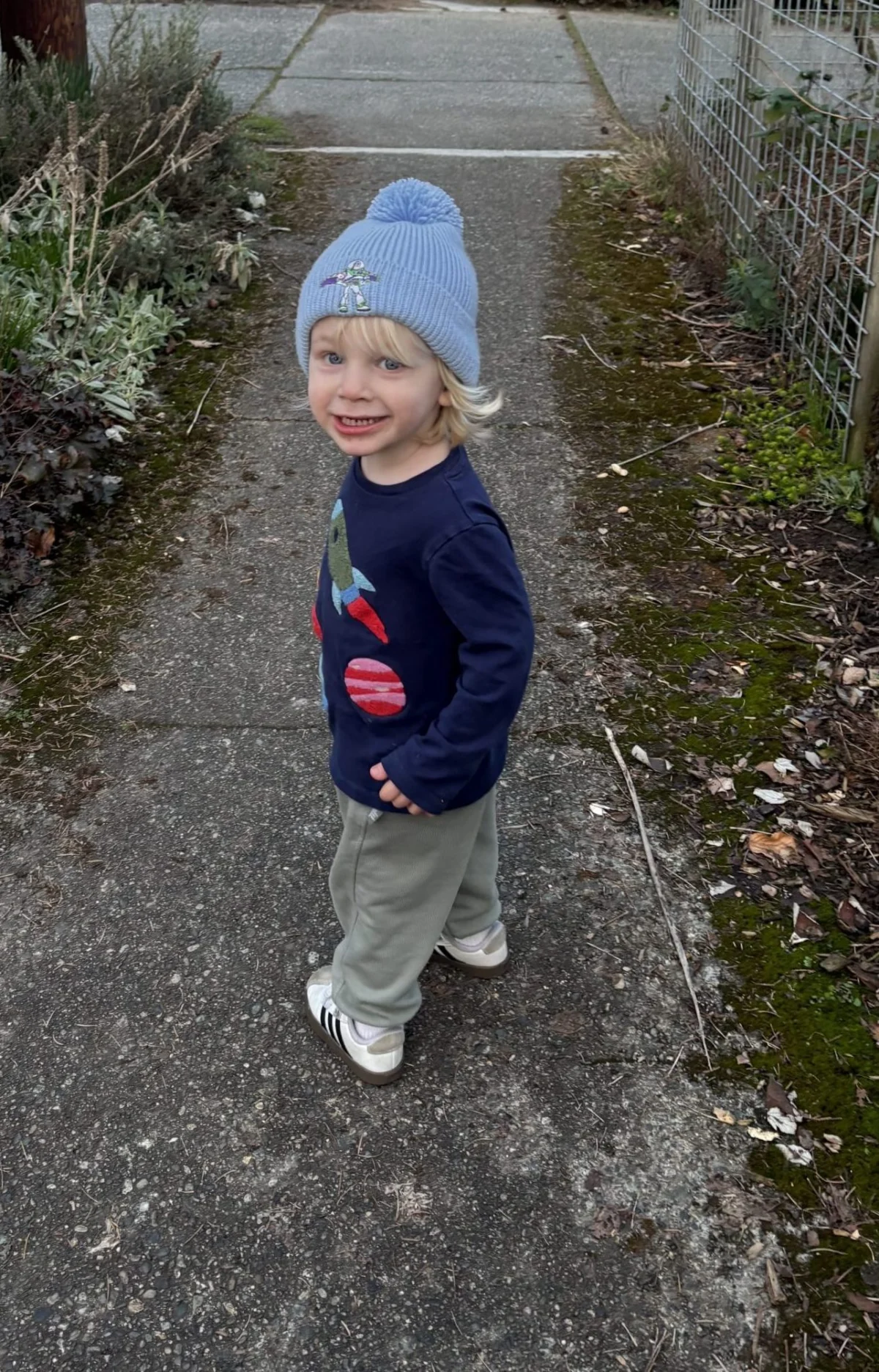
Landon’s experience began shortly after birth when he failed his initial newborn hearing screening. This common but critical test acts as a gateway to early diagnosis, yet for many parents, the period between the initial "refer" result and a formal diagnosis is marked by uncertainty. Landon’s diagnostic process eventually revealed a rare genetic mutation involving the deletion of both the STRC (stereocilin) and CATSPER2 genes.
The STRC gene is essential for the function of hair cells in the inner ear, which are responsible for converting sound vibrations into electrical signals for the brain. A mutation here often results in non-syndromic hearing loss. The co-deletion of CATSPER2, a gene associated with sperm motility, creates a rare, dual-condition genetic profile. Clinically, this manifests as difficulty accessing high-frequency sounds—the acoustic spectrum that contains vital consonant sounds such as "s," "f," and "t." Without access to these frequencies, children often struggle with speech clarity and language acquisition, making the timing of intervention critical. Landon began wearing hearing aids at 17 months, a step that significantly bridged his auditory gap.
A Chronology of Early Intervention
The impact of early intervention is well-documented in audiological research. Studies consistently demonstrate that children who receive hearing technology and language stimulation before the age of six months show significantly higher language development scores than those who receive intervention later. Landon’s family engaged with Listen and Talk when he was just three months old.
The timeline of his development illustrates the efficacy of this proactive approach:
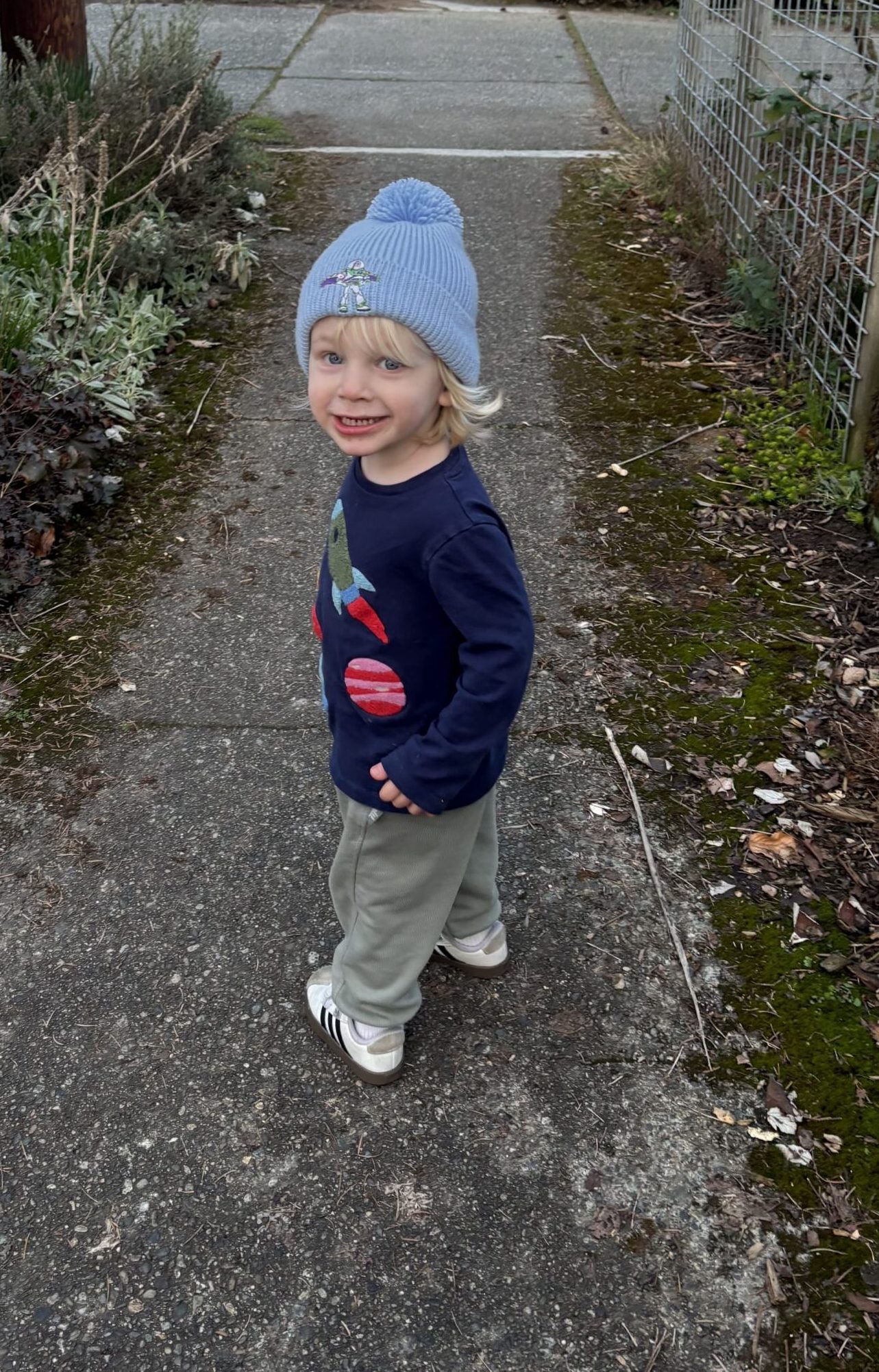
- Month 2: Initial diagnosis of sensorineural hearing loss following newborn screening failure.
- Month 3: Enrollment in Listen and Talk’s Birth to Three program, initiating parent coaching and auditory support.
- Month 17: Implementation of hearing aid technology, allowing for consistent access to the speech spectrum.
- Preschool Years: Transition into a "Blended Classroom" environment, integrating both social and academic advocacy training.
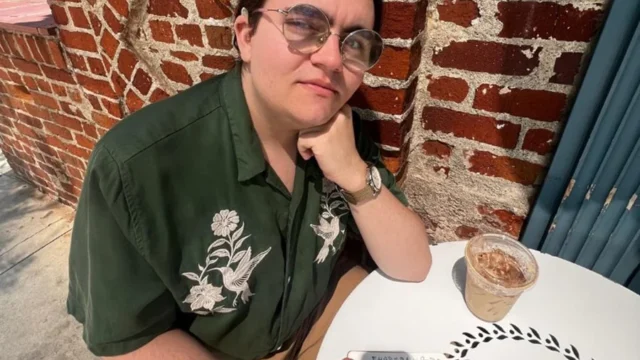
Throughout this period, the role of a Birth to Three program specialist—in this instance, Meghan—served as a crucial bridge between clinical requirements and domestic application. By providing troubleshooting for hearing aids and coaching parents on how to optimize the home environment for auditory input, the specialist turned daily routines into therapeutic opportunities.
The Blended Classroom: An Educational Paradigm Shift
Listen and Talk utilizes a model known as the "Blended Classroom," which integrates children with hearing loss into an environment alongside their typically hearing peers. This model is based on the principle of auditory-verbal therapy, which emphasizes the use of residual hearing provided by technology to develop spoken language.
The educational philosophy behind the Blended Classroom is twofold. First, it provides an "auditory-rich" environment where children with hearing loss are constantly exposed to age-appropriate language models. Second, it serves as a laboratory for self-advocacy. By navigating a classroom where they must occasionally communicate their needs—such as asking a teacher to limit ambient noise or requesting to sit closer to a sound source—children develop the confidence to manage their hearing loss independently. This is an essential skill for the transition into mainstream Kindergarten and primary school settings.
Data-Driven Outcomes in Pediatric Audiology
The success of programs like Listen and Talk is not anecdotal; it is reflected in broader trends within pediatric audiology. According to the Early Hearing Detection and Intervention (EHDI) guidelines, the "1-3-6" rule is the gold standard: screening by one month, diagnosis by three months, and enrollment in early intervention by six months.
When children meet these milestones, the outcomes are statistically superior. Longitudinal data suggests that children with hearing loss who receive early intervention are more likely to perform at grade level by the time they reach elementary school. Furthermore, improvements in digital hearing aid technology and cochlear implant processors have allowed for more granular control over sound frequencies, directly addressing the specific needs of children like Landon, who suffer from high-frequency deficits.
The Role of Advocacy and Parental Support
One of the most significant challenges in pediatric hearing loss is "hearing fatigue." Children with hearing impairments must exert significantly more cognitive effort to decode speech than their peers, especially in environments with background noise. This leads to rapid exhaustion, which can be misidentified as behavioral issues or lack of focus.

The support provided by specialists extends beyond the child; it is a holistic service for the family unit. By educating teachers on strategies such as limiting ambient noise and recognizing signs of fatigue, Listen and Talk fosters an ecosystem of support. This ensures that the child’s educational environment is adapted to their physiological needs rather than forcing the child to adapt to an inaccessible environment.
Broader Impact and Economic Implications
The social impact of early intervention extends far beyond the classroom. Investing in early childhood hearing services is a proactive approach to long-term health and education. When a child with hearing loss receives proper support, the long-term need for special education services and remedial language therapy in later years is often reduced.
However, the cost of these high-quality services remains a barrier for many families. Social impact enterprises and non-profit organizations play a critical role in bridging this gap. Funding for audiology testing, professional speech therapy, and parent education programs is essential to ensure that a child’s zip code or socioeconomic status does not dictate their ability to hear and communicate.
Looking Toward the Future: The Vision of "No Limits"
The mission statement of Listen and Talk—"No child is limited by hearing loss"—reflects a shift in the medical and educational community toward empowerment. Rather than viewing hearing loss as a permanent deficit, modern interventions treat it as a manageable condition that, with the right support, need not hinder cognitive or social development.
As technology continues to advance—with improvements in AI-driven sound processing and bone-anchored hearing systems—the focus will increasingly move toward seamless integration. Programs that combine clinical expertise with social integration, such as the Blended Classroom, are setting the standard for how society can better support children with disabilities.
For parents like those navigating the journey with Landon, the takeaway is clear: the combination of timely diagnosis, sophisticated technology, and a robust support network transforms the initial trauma of a diagnosis into a successful developmental story. As we look at the progress of children within these programs, it becomes evident that early intervention is not merely a service, but a fundamental investment in the human potential of the next generation. By ensuring that children have the tools to hear, we ensure they have the tools to learn, advocate for themselves, and ultimately, succeed in a world that relies heavily on clear communication.