The Chronology of Early Intervention
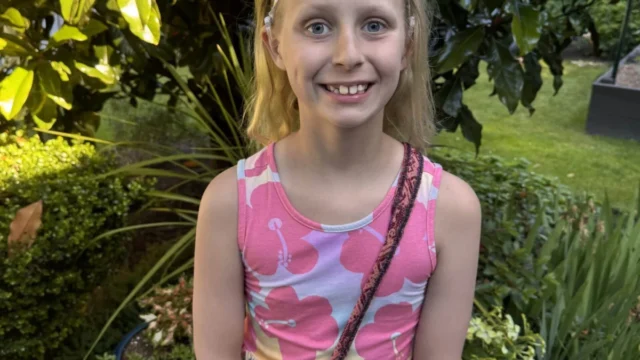
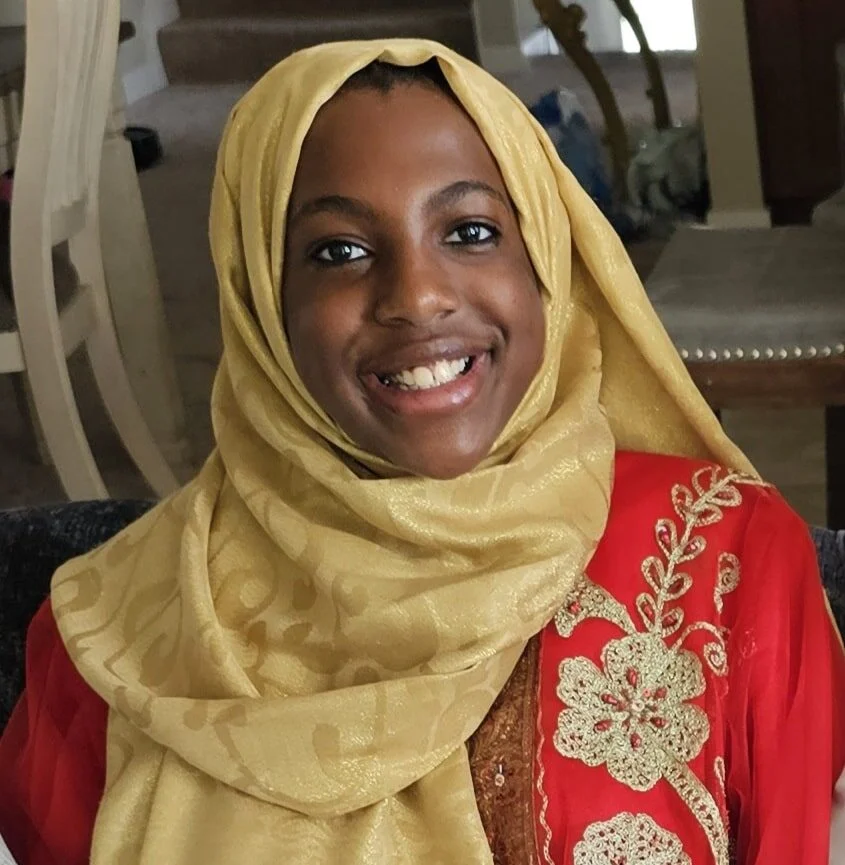
Amalia’s clinical journey began in infancy. Sensorineural hearing loss, which is often permanent, requires immediate attention to ensure that the brain’s auditory centers receive the necessary stimulation during the "critical period" of neuroplasticity—the timeframe during which the brain is most capable of learning language. Amalia received her cochlear implants at the age of 10 months. This timing is consistent with medical guidelines that suggest earlier implantation generally leads to superior outcomes in speech perception and language acquisition.
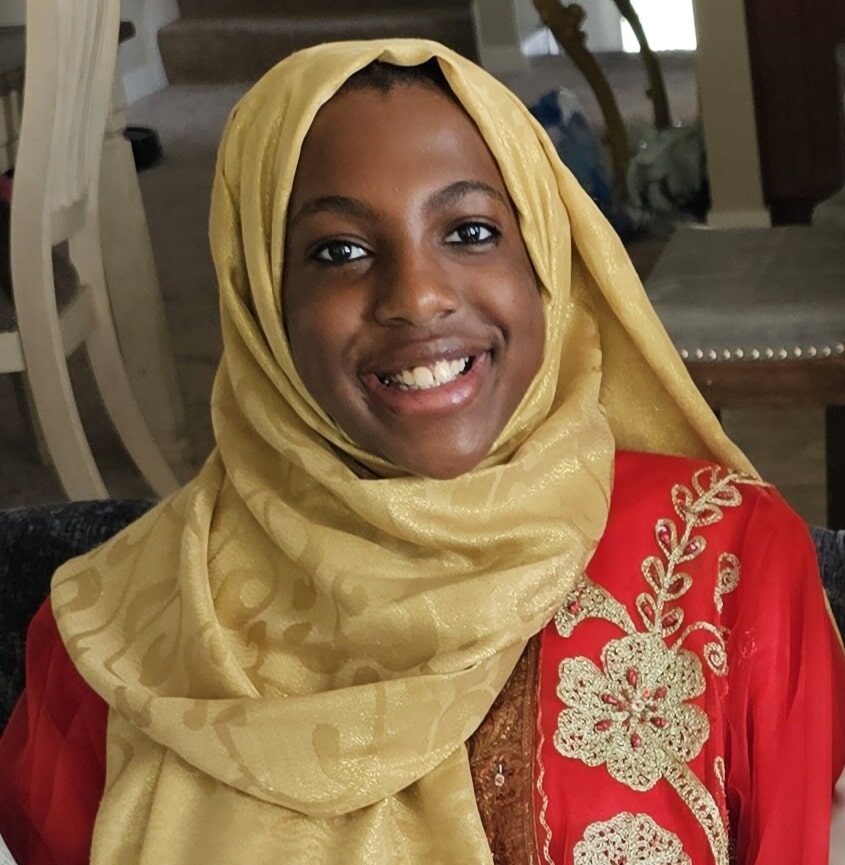
Following her surgery, Amalia was enrolled in the Listen and Talk program, which emphasizes a listening and spoken language (LSL) approach. This methodology focuses on teaching children to use their hearing technology to process auditory information and communicate verbally. During her formative years, Amalia participated in the organization’s "Birth to Three" program, a service designed to provide family-centered coaching and therapy. This phase is crucial, as it empowers parents to integrate auditory training into daily life. Following this, she transitioned into a "Blended Classroom" environment, a pedagogical model that integrates students with hearing loss into mainstream educational settings, providing them with the necessary support to compete and socialize alongside hearing peers.
Data and Outcomes in Pediatric Hearing Loss
The success of programs like Listen and Talk is supported by a growing body of audiological and educational research. According to data from the Centers for Disease Control and Prevention (CDC), early hearing detection and intervention (EHDI) programs have significantly improved outcomes for children with hearing loss. Studies indicate that children identified and treated before six months of age exhibit significantly higher language scores compared to those identified later.
The transition from specialized early intervention to a general education classroom—a path Amalia successfully navigated—is the gold standard for many auditory-verbal programs. Research published in the Journal of Deaf Studies and Deaf Education suggests that children who receive consistent, high-quality LSL intervention are more likely to demonstrate age-appropriate literacy and social skills by the time they reach middle school. By removing the communication barrier early, these students can focus on the same academic rigors as their hearing counterparts. For Amalia, this foundation translated into academic success and the confidence to engage in competitive extracurricular activities, including swimming, track and field, and basketball.

The Role of Support Systems
The success of an intervention program is rarely the result of clinical work alone. It requires a symbiotic relationship between the educational institution, the medical team, and the family unit. In Amalia’s case, her parents’ commitment to the LSL approach was the primary driver of her progress. Listen and Talk provided the technical expertise and the pedagogical framework, but the consistent reinforcement provided at home allowed these skills to generalize into everyday life.
Experts in pediatric audiology note that the "family-centered" model is essential. Because children spend most of their time outside the classroom, the ability of parents to manage hearing technology—such as monitoring the battery life and external processor functionality of cochlear implants—and to facilitate language-rich environments is a primary predictor of long-term success. The support of the alumni community and ongoing giving campaigns, such as the one recently highlighted by the organization, ensures that this model remains sustainable for future generations of families.
Broader Implications and Public Health Impact
The broader implications of success stories like that of Amalia Faraji are significant for public health policy. As technology for cochlear implants and hearing aids continues to evolve, the focus of the field is shifting from "managing a disability" to "maximizing potential." There is an increasing demand for educational environments that do not isolate students with hearing loss but rather provide them with the tools to integrate into the mainstream workforce and community life.

From an economic perspective, early intervention programs are highly cost-effective. By providing the necessary foundation for students to excel in general education, these programs reduce the long-term societal costs associated with specialized education, social services, and unemployment. When a child is equipped to communicate effectively, their lifelong trajectory shifts toward increased independence and professional opportunity.
Furthermore, the participation of individuals like Amalia in sports and community activities challenges societal misconceptions regarding the capabilities of people with hearing loss. By excelling in physically demanding and socially collaborative sports like basketball and track, she serves as a tangible example of how modern medical and educational interventions can effectively bridge the gap between perceived limitations and actual achievement.
The Future of Alumni Support
The ongoing Alumni Family Giving Campaign, promoted by Listen and Talk, reflects a shift toward a community-based funding model. By leveraging the experiences of those who have successfully navigated the program, the organization aims to ensure that no child is excluded due to financial constraints or a lack of available resources. The involvement of alumni in these efforts is a testament to the lasting impact of the program; it signifies a transition from a recipient of services to an active stakeholder in the organization’s future.

For families currently navigating a new diagnosis, the visibility of successful alumni is vital. It provides a roadmap for what is possible and mitigates the anxiety that often accompanies a medical diagnosis in early childhood. The institutional memory held by programs like Listen and Talk—which have seen generations of children grow into productive, active adults—provides a level of stability and confidence that is difficult to replicate in less specialized settings.
Conclusion
Amalia Faraji’s path from an infant receiving cochlear implants to a versatile student-athlete is not merely a personal triumph; it is a validation of the auditory-verbal therapy model and the importance of early, consistent intervention. As the field of pediatric audiology continues to advance, the emphasis remains on the "listening and spoken language" approach, supported by a network of families, educators, and donors.
The data remains clear: when identified early and provided with the right support, children with hearing loss can achieve parity with their hearing peers. As these children mature into adulthood, their continued success serves as a metric for the success of society’s commitment to accessibility and inclusion. The "Listen and Talk" model remains a critical component of this infrastructure, proving that with the right foundation, the limits once associated with hearing loss are being continuously dismantled, allowing children to pursue their futures without constraints.