The Foundation of Early Intervention
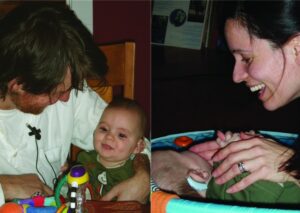
For many families, an infant hearing diagnosis initiates a complex process of medical and educational navigation. In Wendorf’s case, his engagement with Listen and Talk began at six months old. This timeline aligns with the "1-3-6" rule established by the Joint Committee on Infant Hearing, which recommends screening by one month, diagnosis by three months, and enrollment in early intervention services by six months.
Listen and Talk provided Wendorf with a structured environment that integrated clinical support with social and academic development. His tenure within the organization included the Blended Classroom PreK program, an educational model that integrates children with hearing loss into a setting designed to foster communication skills, peer interaction, and self-advocacy. By prioritizing auditory-verbal development early on, the program provided Wendorf with the foundational tools necessary to navigate both academic and social spheres with confidence.
Clinical Context: The Genetic Diagnosis of Barakat Syndrome
The narrative of Wendorf’s health took a definitive turn when he was 12 years old. Following a diagnostic journey that spanned over a decade, his family identified the root cause of his hearing impairment as a GATA3 gene mutation. This genetic variation is the hallmark of Barakat Syndrome, also clinically referred to as HDR syndrome—an acronym derived from its primary symptoms: Hypoparathyroidism, sensorineural Deafness, and Renal (kidney) disease.
Barakat Syndrome is an exceptionally rare autosomal dominant disorder. The GATA3 gene is a critical transcription factor involved in the development of the parathyroid glands, the inner ear, and the kidneys. Medical literature suggests that the phenotypic expression of HDR syndrome can vary significantly even within affected families, making early genetic testing and ongoing multidisciplinary care—involving endocrinologists, nephrologists, and audiologists—essential for long-term management. For the Wendorf family, the diagnosis provided long-sought clarity, transforming an abstract challenge into a manageable clinical profile.
Chronology of Development and Artistic Growth
Wendorf’s upbringing was characterized by a distinct "fearlessness," a trait noted by his family and instructors. This disposition served as a catalyst for his diverse extracurricular pursuits. Unlike many adolescents who may shy away from activities that present communication hurdles, Wendorf actively sought out high-performance environments.
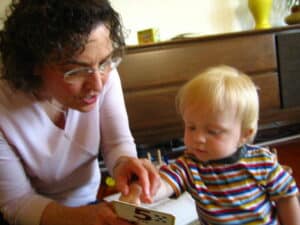
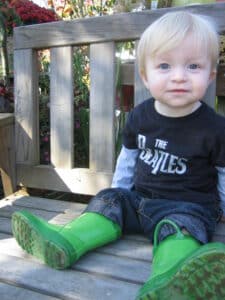
- Infancy to Early Childhood: Participation in intensive auditory-verbal therapy and the Listen and Talk Blended Classroom program.
- Adolescence: Transition into mainstream education, where he participated in a wide array of athletics, building physical confidence and teamwork skills.
- The Performing Arts Shift: Wendorf pivoted toward theater, improv, and music. He successfully auditioned for and secured lead roles in multiple stage productions, demonstrating a capacity for verbal and non-verbal communication that transcended his hearing loss.
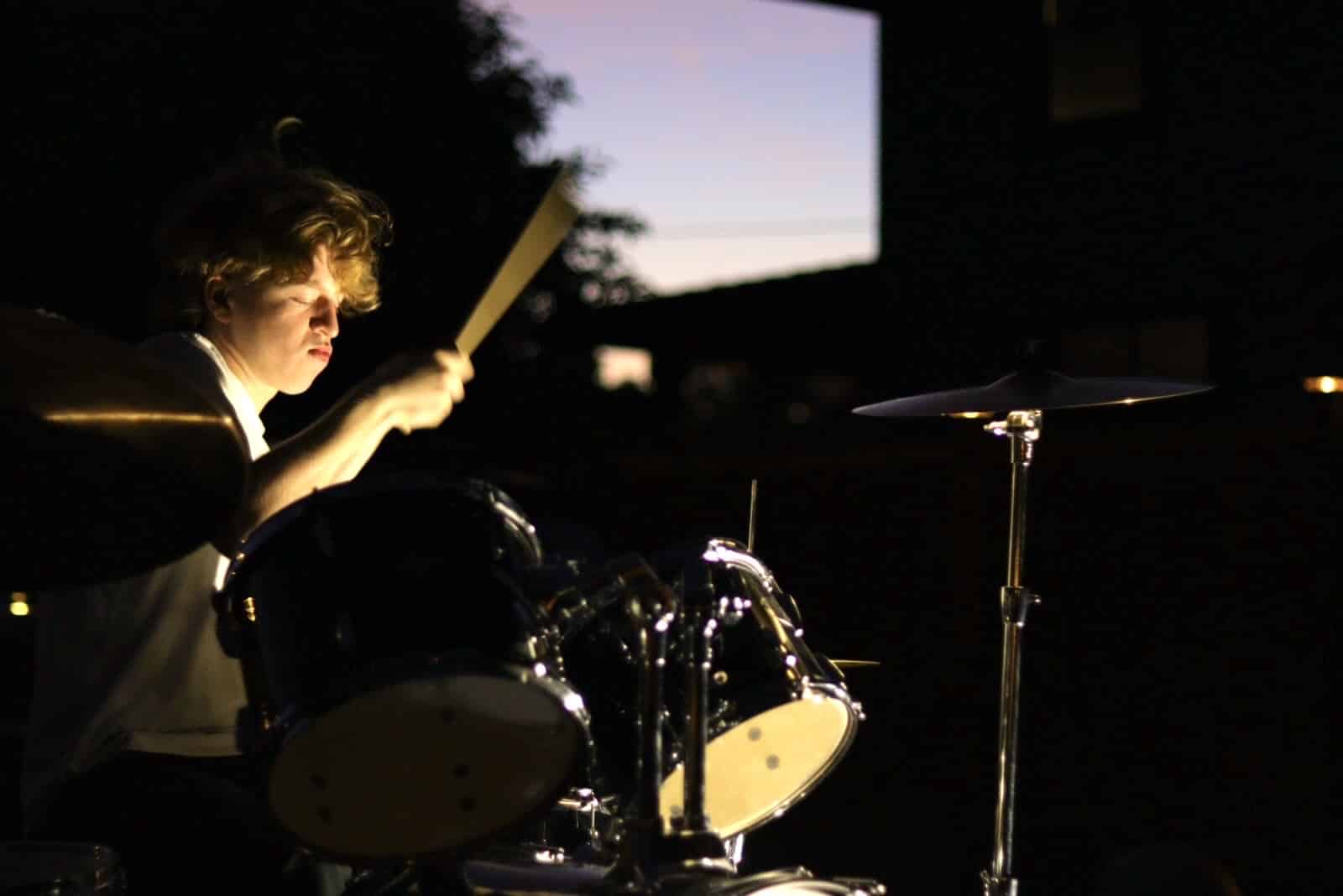
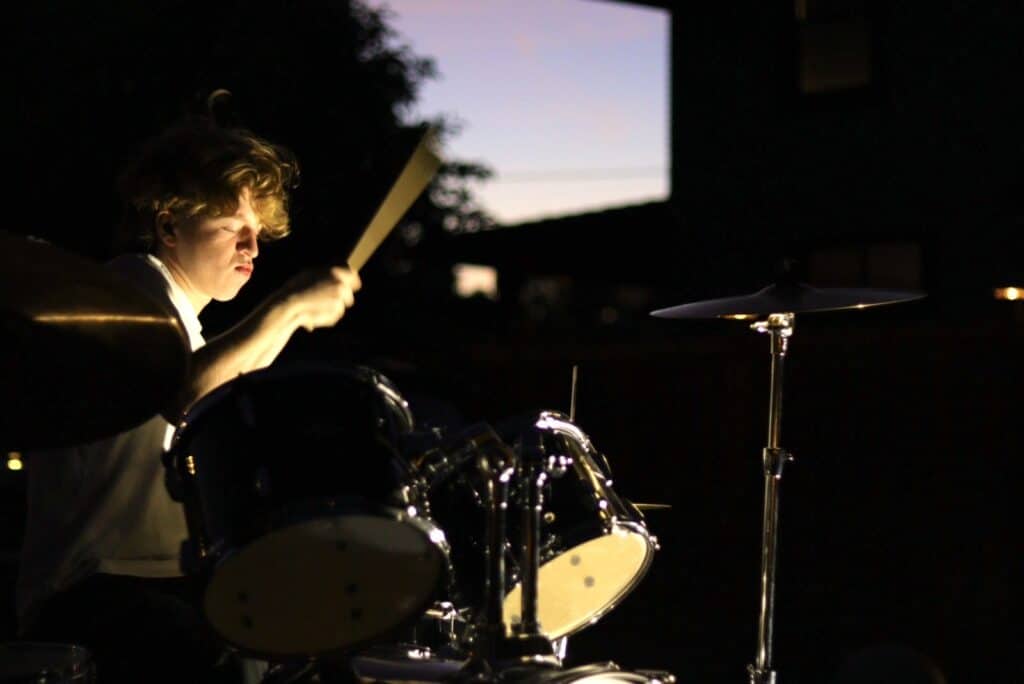
- Self-Taught Proficiency: Parallel to his acting, Wendorf developed autonomy in music, teaching himself the drums and guitar—instruments that require acute rhythmic awareness and sensory integration.
- June 2024: Graduation from Renton High School and subsequent relocation to Los Angeles to pursue a professional career in the arts.
The Role of Advocacy and Self-Identity
In the professional arts, where communication and nuanced interaction are paramount, Wendorf views his background as a source of strength rather than a limitation. Reflecting on his journey, Wendorf emphasizes the sense of community provided by Listen and Talk. "Listen and Talk showed me that in a world where it feels like there aren’t many people like me, I am not alone," Wendorf remarked.
This sentiment highlights the psychological importance of "peer-matching" for children with disabilities. According to research on childhood development for the deaf and hard of hearing, having access to role models and peers who share similar lived experiences significantly increases self-esteem and the efficacy of self-advocacy in adult life. By seeing others successfully navigate their own paths, Wendorf was able to internalize the belief that his career aspirations were not only valid but attainable.
Parental Perspectives and Systemic Support
For parents of children with hearing loss, the role shifts from caregiver to advocate as the child reaches maturity. Wendorf’s parents have been vocal about the role Listen and Talk played in shaping his identity. They describe the experience of watching him evolve into an independent individual—one who takes calculated risks and creates his own professional opportunities—as a "great privilege."
The family credits the program not just for the technical skills of listening and speaking, but for the development of a "grounded sense of self." This psychological stability has allowed Wendorf to navigate the complexities of a "hearing world" with the necessary tools to advocate for his own accessibility needs, an essential skill for anyone working in a high-pressure industry like entertainment.
Broader Implications for Early Education
The success of individuals like Kai Wendorf underscores the economic and social necessity of investing in early childhood intervention programs. Data from the National Institute on Deafness and Other Communication Disorders (NIDCD) suggests that early identification and intervention can lead to significantly higher literacy rates and better employment outcomes in adulthood.
Listen and Talk’s current Alumni Family Giving Campaign seeks to replicate these outcomes for a new generation. The organization’s goal—that "no child is limited by hearing loss"—is rooted in the belief that the barriers faced by deaf and hard of hearing children are often systemic rather than inherent to the condition itself. When provided with appropriate technological support, such as cochlear implants or hearing aids, combined with intensive therapeutic and social intervention, the potential for high achievement is vastly expanded.
Analysis: The Path Forward
The move to Los Angeles represents a critical juncture for Wendorf, as he enters the professional workforce. The arts industry is increasingly focusing on diversity, equity, and inclusion (DEI), with a growing emphasis on authentic representation for individuals with disabilities. Wendorf’s background, characterized by resilience and a diverse skill set—ranging from improv to musical performance—positions him as a unique contributor to this shifting landscape.
His story also serves as a reminder to stakeholders—policymakers, educators, and donors—that the "cost" of early intervention is a high-yield investment. The long-term societal benefit of fostering independent, contributing, and self-advocating adults far outweighs the initial expenditures required for early therapeutic support.
As Listen and Talk continues its outreach, the organization remains a beacon for families navigating the initial, often overwhelming, stages of a diagnosis. By showcasing alumni who have successfully integrated into mainstream professional sectors, they provide a tangible roadmap for the future. For Wendorf, the next chapter in Los Angeles is not merely a personal career pursuit; it is a testament to the idea that with the right support, the limitations once associated with hearing loss can be effectively dismantled.