

The Onset of Tinnitus: A Clinical and Personal Timeline
Tinnitus is defined as the perception of noise or ringing in the ears when no external sound is present. For many, it manifests as a temporary annoyance; however, for a significant percentage of the population, it becomes a chronic, life-altering condition.
Moorley’s experience began during a period of acute physical distress. While suffering from a severe toothache at age 18, she experienced the sudden onset of a ringing sensation in both ears. Medically, this is not uncommon; the trigeminal nerve, which services the jaw and teeth, is closely linked to the auditory system. This "somatic tinnitus"—where symptoms are influenced by jaw, neck, or dental issues—can often trigger or exacerbate the perception of sound.

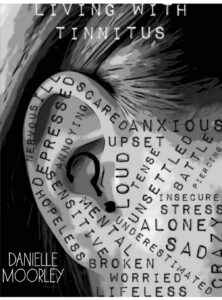
In the immediate aftermath, Moorley described a state of psychological shock. The sudden, uncontrollable nature of the sound created a feedback loop of stress. In the clinical literature, this is known as the "tinnitus-distress cycle." As the patient focuses on the sound, the sympathetic nervous system triggers a "fight or flight" response, which increases cortisol levels, subsequently heightening the brain’s sensitivity to the noise. For Moorley, this resulted in chronic sleep deprivation, profound fatigue, and a feeling of being trapped within her own physiology.
The Broader Landscape: Data and Prevalence
Tinnitus is a global public health concern. According to data from the British Tinnitus Association (Tinnitus UK), approximately one in seven adults in the United Kingdom experiences tinnitus to some degree. While many find that their symptoms subside or become manageable over time, a subset of patients finds the condition debilitating.
Research published in journals such as The Lancet indicates that tinnitus is frequently comorbid with anxiety, depression, and insomnia. The financial and social costs are substantial; absenteeism from work and the necessity for long-term psychological support represent a significant burden on both the individual and the National Health Service (NHS). Despite this, diagnostic pathways remain inconsistent. Moorley noted that in her early years of diagnosis, she faced a lack of understanding from healthcare professionals—a common complaint among patients who are often told to "just live with it," which can exacerbate the psychological impact of the condition.
Clinical Management and the Role of Cognitive Behavioral Therapy
The turning point in Moorley’s journey occurred when she accessed structured support through Tinnitus UK and was prescribed Cognitive Behavioral Therapy (CBT). While there is currently no curative pharmaceutical treatment for most forms of tinnitus, CBT is widely considered the gold standard for management.
CBT does not aim to eliminate the sound itself; rather, it aims to change the patient’s emotional response to the sound. By reframing the ringing from a "threat" to a "neutral" auditory stimulus, the brain can begin to habituate—the process by which the nervous system ceases to register the sound as significant.
Moorley’s success with CBT underscores a critical finding in audiology: the psychological management of tinnitus is often as important as any physical intervention. By learning to manage her stress levels, Moorley was able to break the cycle of anxiety that historically intensified her symptoms. This allowed her to reintegrate into social environments—such as concerts and busy gatherings—that had previously triggered feelings of dizziness and physical overwhelm.
The Power of Patient Communities
Beyond clinical therapy, the role of patient-led organizations like Tinnitus UK cannot be overstated. For Moorley, joining the organization as a member was a deliberate step toward reclamation. The transition from a "patient" to a "member" provides a sense of agency that is often lost during the diagnostic process.
The benefits of such communities are twofold. First, they offer peer-to-peer support, which provides a level of empathy that medical professionals—who do not live with the condition—cannot always provide. Second, they serve as hubs for advocacy and research funding. By participating in these networks, members contribute to the collective knowledge base, helping to drive future research into potential cures or more effective management therapies.

Implications for Future Care and Public Awareness
The narrative of Danielle Moorley highlights three major areas where current healthcare systems must improve:
- Integrated Care Pathways: The link between physical ailments (like dental issues) and auditory conditions requires better coordination between GPs, dentists, and audiologists.
- Early Psychological Intervention: Because of the strong correlation between tinnitus and mental health decline, psychological support should be offered as a primary, rather than secondary, intervention.
- Institutional Support: Organizations like Tinnitus UK act as a bridge, filling the gaps left by overstretched public health services. Supporting these entities is not merely a social gesture but a functional necessity for the patient population.
Moorley’s return to a full life—continuing her career as a Room Leader in a day nursery, pursuing photography, and engaging in hobbies like horse riding—demonstrates that while tinnitus is a life-changing condition, it is not life-ending. Her ability to manage her symptoms through a combination of professional therapy and community support serves as a model for others currently navigating the initial stages of diagnosis.
Conclusion: The Importance of Membership
For those currently struggling with the isolation of tinnitus, the advice provided by those who have walked the path is consistent: seek out legitimate support networks. The digital age has made these resources more accessible than ever, but the value of a formal, evidence-based organization remains unmatched.
Membership with groups like Tinnitus UK provides access to a wealth of resources, including helpline services, vetted research updates, and community forums. As Moorley herself emphasizes, the simple realization that one is not alone is often the first step toward effective management. The condition may be internal, but the path forward is fundamentally collective.

As research continues to advance, the goal remains clear: to transition from a landscape where patients are told to "live with it" to one where every individual has access to the tools, knowledge, and emotional support required to thrive, regardless of the noise. Through the efforts of individuals like Danielle Moorley, the conversation around tinnitus is shifting from one of silence and stigma to one of visibility and proactive, community-led management.