
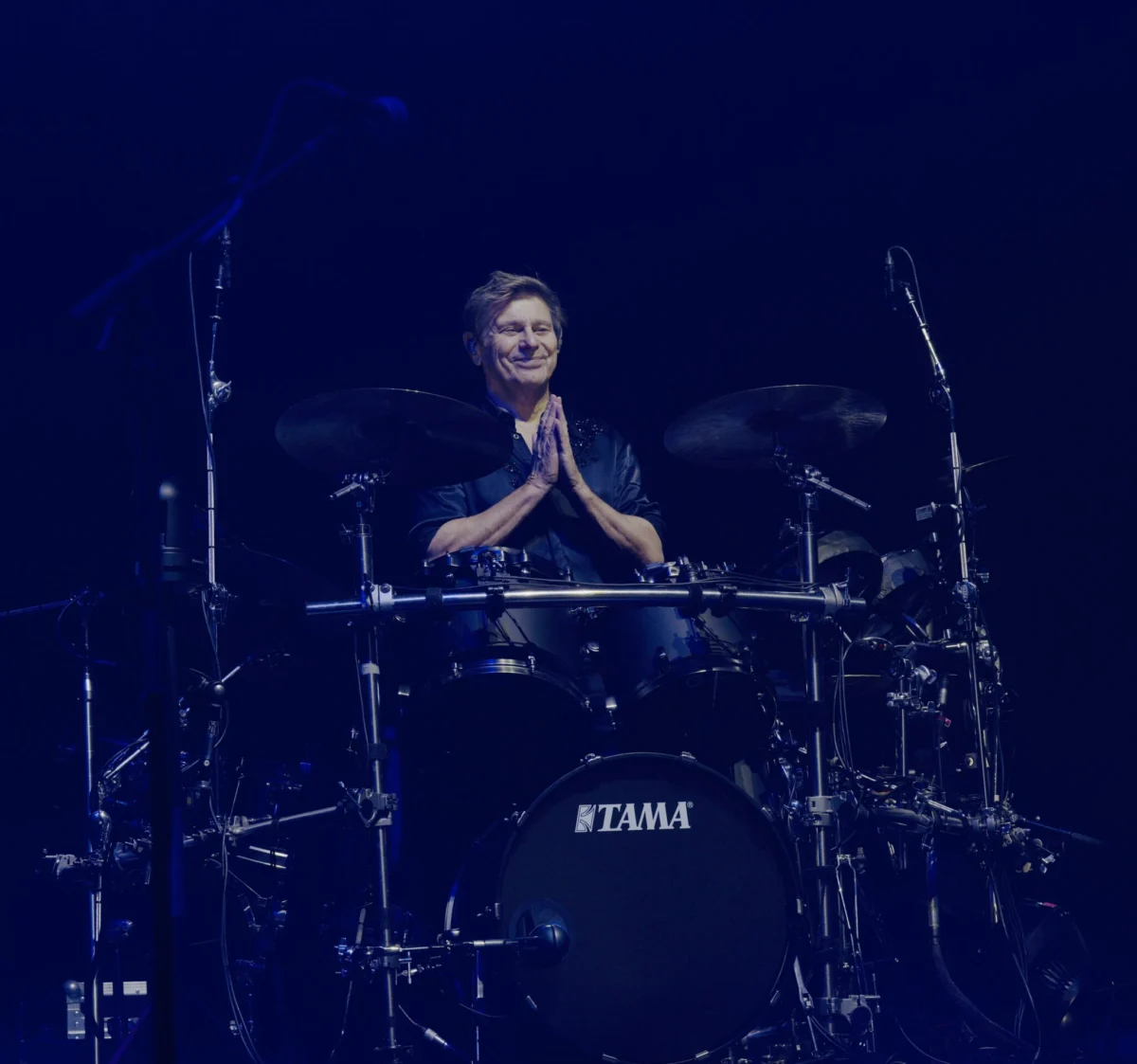
This departure marks a somber milestone for one of the most commercially successful bands of the 1980s. Taylor’s steady, driving percussion was instrumental in defining the "New Romantic" sound, propelling tracks like "Rio," "Hungry Like the Wolf," and "The Reflex" to the top of global charts. His exit leaves a vacancy in a lineup that has experienced various iterations but has remained a cultural touchstone for millions of fans worldwide.
A Legacy Built on Rhythm and Resilience
Roger Taylor first joined Duran Duran in 1979, becoming an essential component of the classic lineup alongside Simon Le Bon, Nick Rhodes, John Taylor, and Andy Taylor. His drumming style, often characterized by a crisp, dance-oriented precision, helped bridge the gap between post-punk aesthetic and disco-influenced pop.
Throughout the 1980s, the band’s trajectory was meteoric. They achieved rapid international fame, fueled by heavy rotation on the nascent MTV network and a series of elaborate, high-budget music videos. Roger Taylor’s role was foundational; his ability to anchor the band’s synthesizer-heavy sound with organic, punchy drum patterns provided the necessary contrast that allowed Duran Duran to dominate the charts. Even after a hiatus in the mid-1980s and his departure in 1985, his return in 2001 for the band’s reunion solidified his status as a permanent fixture of their sonic identity. His contributions span over a dozen studio albums and countless world tours, cementing his legacy in the annals of pop-rock history.
The Science and Reality of Tinnitus in Music
Tinnitus is a condition characterized by the perception of sound—often a ringing, hissing, or buzzing—in the absence of an external acoustic stimulus. According to the British Tinnitus Association and Tinnitus UK, the condition affects approximately one in seven adults in the United Kingdom. For musicians, the prevalence is significantly higher.
The auditory system is fragile; prolonged exposure to sound levels exceeding 85 decibels—common in live concert settings where volume levels often reach 100 to 120 decibels—can cause permanent damage to the hair cells within the cochlea. Once these cells are damaged or lost, they do not regenerate, often resulting in noise-induced hearing loss and chronic tinnitus.
While modern touring protocols have introduced more stringent hearing protection measures, many veteran musicians have spent decades performing in environments where noise regulation was non-existent or ignored. Roger Taylor’s diagnosis is a sobering reminder that even with the best medical care, the physiological toll of a career built on high-decibel performance can eventually reach a breaking point where the performer must choose between their craft and their health.
Industry Implications and Support Systems
The retirement of a musician of Taylor’s stature brings the issue of occupational hearing loss into the spotlight. Organizations like Tinnitus UK are emphasizing that while the condition is often permanent, it is not an insurmountable burden if managed correctly with professional support.
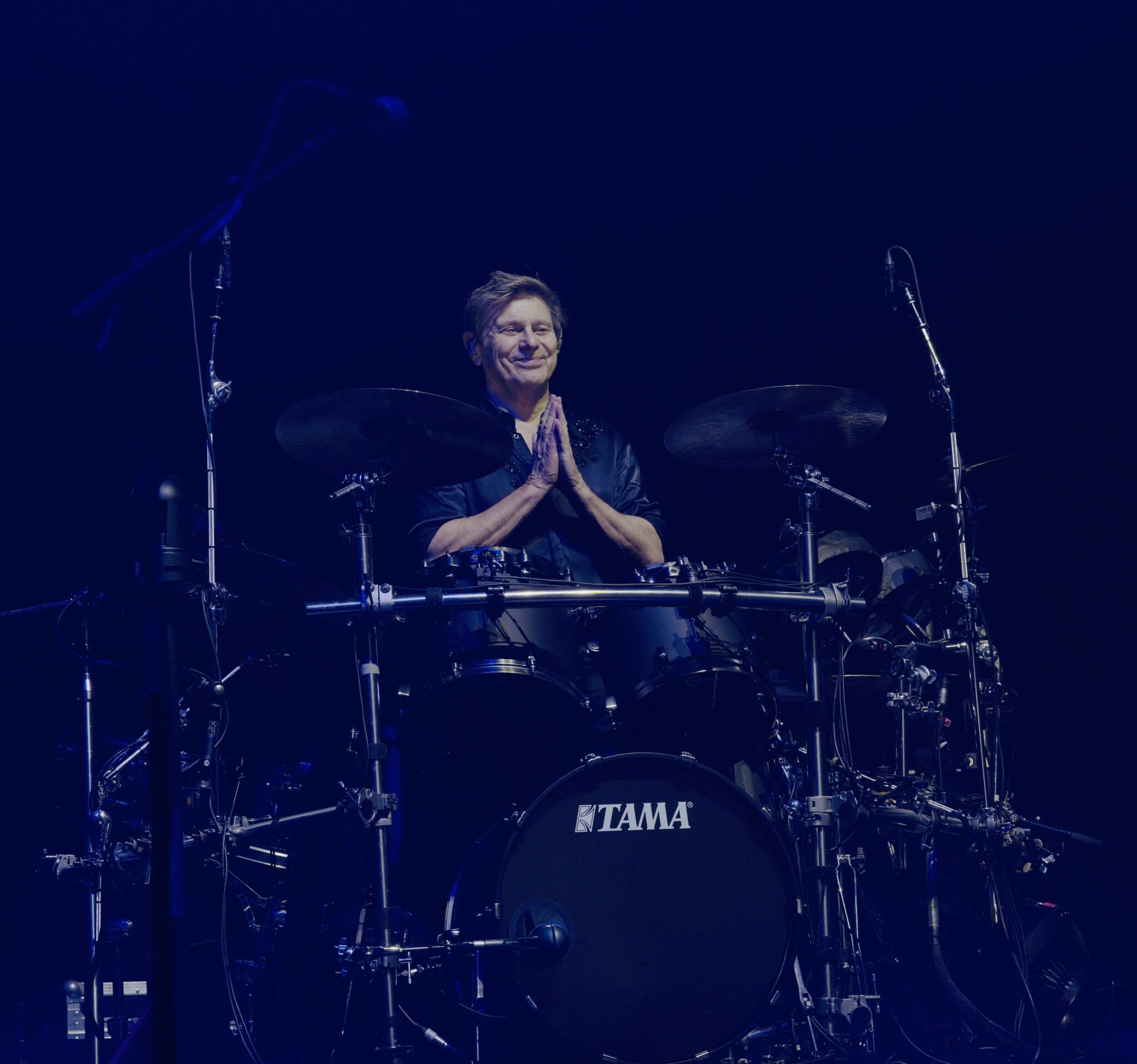
"Tinnitus can affect anyone, but musicians and people working in the music industry can face particular challenges because of their close relationship with sound," stated a representative from Tinnitus UK. The organization offers specialized support groups designed to provide a communal space for those in the industry. These forums serve a dual purpose: they provide practical advice on managing symptoms—such as the use of sound-masking devices or cognitive behavioral therapy—and offer emotional support for individuals navigating the identity crisis that often accompanies a forced departure from a lifelong career.
For the music industry, the loss of a talent like Taylor serves as a catalyst for renewed discussions regarding stage safety. Many high-profile acts are now utilizing custom-molded in-ear monitors (IEMs) that provide a controlled mix of the band’s audio at lower volumes, effectively shielding the ears from the raw stage noise. However, the legacy of hearing damage among artists from the 1970s, 80s, and 90s remains a widespread concern for labels, management teams, and the artists themselves.
Chronology of a Career
- 1979: Roger Taylor joins Duran Duran in Birmingham, England, completing the band’s classic lineup.
- 1981: The band releases its self-titled debut album, sparking the "Duranmania" phenomenon.
- 1985: After the massive success of the album Seven and the Ragged Tiger and the James Bond theme "A View to a Kill," Taylor departs the band, citing exhaustion from the unrelenting pace of fame.
- 2001: The classic five-piece lineup reunites, marking a significant return to form for the group.
- 2003–2024: Taylor remains a constant member, touring extensively and recording several successful albums, including Astronaut (2004) and FUTURE PAST (2021).
- Late 2024: Taylor receives a formal medical diagnosis of severe, worsening tinnitus.
- November 2024: Following medical advice, Taylor announces his formal retirement from touring and recording, prioritizing his long-term auditory health.
Responses and Public Sentiment
The announcement has triggered an outpouring of support from fans and peers alike. While the band has yet to release a detailed statement regarding the future of their touring lineup, the sentiment across social media platforms has been one of profound respect for Taylor’s decision.
Health professionals in the field of audiology note that Taylor’s transparency may have a positive ripple effect. By speaking openly about the severity of his condition, he is normalizing a conversation that is often stigmatized within the industry. "Many musicians fear that admitting to hearing loss will end their career or be seen as a sign of weakness," says Dr. Elena Vance, a specialist in occupational audiology. "When someone of Roger Taylor’s caliber steps forward and says, ‘My health must come first,’ it validates the experience of thousands of younger, up-and-coming artists who are currently struggling in silence."
Moving Forward: The Future of Sound Management
The broader impact of this news on the music industry is twofold. First, it underscores the necessity of early intervention and regular hearing screenings for all touring professionals. Second, it highlights the need for the music industry to better support those who have already sustained damage.
Tinnitus UK continues to advocate for a cultural shift in the music industry, one that views hearing protection as an essential piece of equipment rather than an optional accessory. For those currently navigating the complexities of tinnitus, the organization encourages the use of their support resources. The goal is to ensure that while a career may eventually end, the quality of life for the individual remains protected.
As Roger Taylor transitions into retirement, his departure serves as a poignant conclusion to a legendary chapter in rock music. His legacy, however, remains etched in the rhythm of the songs that defined a generation. His choice to step down, while difficult, stands as a testament to the fact that the most important instrument a musician possesses is not the drum kit, the guitar, or the synthesizer, but their own ability to hear the music they have spent a lifetime creating.
For the millions of fans who have followed his journey, his retirement is not merely the end of a tenure with a band; it is a reminder of the fragility of the human experience behind the glamour of global superstardom. In the coming months, the industry will likely look toward Duran Duran’s next steps, but for now, the focus remains on the well-being of a man whose beat helped move the world.