The legislation represents a significant shift in how the state addresses the intersection of international environmental crises and domestic labor safety. As the cross-border flow of untreated sewage, industrial chemicals, and toxic runoff continues to challenge public health in Southern California, SB 1046 provides a structural framework to safeguard the individuals tasked with managing these sensitive landscapes.
The Scope of Legislative Mandate
Under the provisions of SB 1046, Cal/OSHA is required to submit a comprehensive proposal to the Occupational Safety and Health Standards Board by January 1, 2030. The law specifically identifies the need for standards tailored to employees deemed at high risk due to their proximity to border waterways. While the bill covers a broad range of occupations, the focus remains on those whose duties require prolonged exposure to the environmental hazards present in the Tijuana and New River basins.
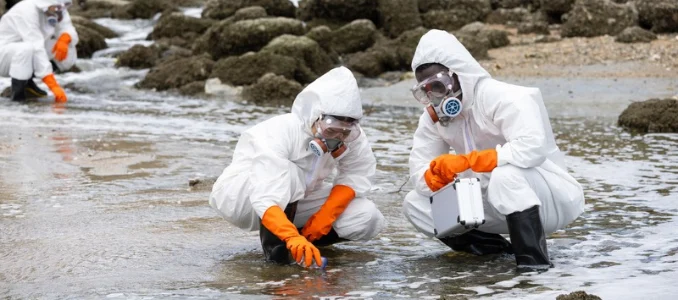
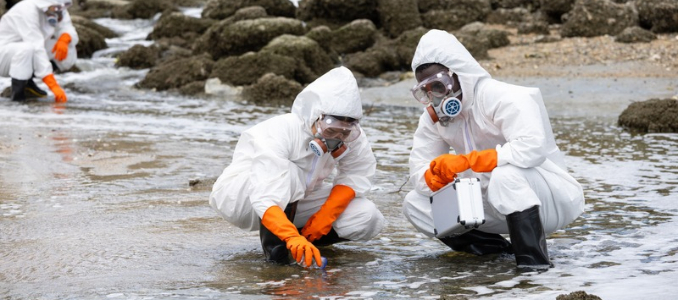
The regulatory proposal must address a multifaceted array of safety requirements, including, but not limited to, the provision of specialized personal protective equipment (PPE), rigorous medical surveillance programs, and robust hazard communication protocols. Furthermore, the bill mandates the establishment of specific exposure reporting systems and long-term recordkeeping practices to track the health of workers over time. A critical component of the legislation is the directive for Cal/OSHA to evaluate the implementation of a specific hydrogen sulfide exposure threshold, a chemical compound frequently detected in the region due to the anaerobic decomposition of organic matter in sewage-laden water.
A Chronology of Environmental Conflict
The impetus for this legislation stems from decades of escalating environmental degradation in the Tijuana River Valley and the New River. The history of this crisis is marked by persistent infrastructural failures on both sides of the U.S.-Mexico border.

For years, the Tijuana River has served as a conduit for millions of gallons of untreated sewage, sediment, and trash, particularly during heavy rainfall events. These flows are exacerbated by the aging wastewater infrastructure in Tijuana, which often fails to contain domestic and industrial waste. Similarly, the New River, which flows from Mexicali into the Imperial Valley, has historically been classified as one of the most polluted waterways in the United States, carrying a cocktail of agricultural runoff, industrial waste, and raw sewage.
The push for legislative action gained significant momentum following several public health reports in the early 2020s, which highlighted that local government workers were frequently experiencing respiratory issues, skin rashes, and other symptoms consistent with exposure to toxic fumes and waterborne pathogens. By 2024, labor unions and advocacy groups began lobbying state representatives to recognize these areas not merely as environmental disaster zones, but as hazardous workplace environments that required state-mandated oversight.
Data-Driven Hazards in the Borderlands
The environmental data surrounding the Tijuana and New rivers provides a sobering justification for the new law. Water quality monitoring stations along the Tijuana River have frequently recorded concentrations of E. coli and enterococcus bacteria that exceed safe recreational standards by several orders of magnitude.

Beyond biological contaminants, the air quality concerns are equally pressing. Hydrogen sulfide (H2S), a byproduct of sewage pollution, has been measured at levels that, while often intermittent, pose acute risks to workers during specific atmospheric conditions. Studies conducted by regional air quality districts have noted that during "south wind" events, aerosolized particles from the river valley travel inland, affecting not only the surrounding communities but also the field workers tasked with daily maintenance and environmental monitoring.
According to preliminary health assessments submitted during the legislative session, workers in these sectors reported a 30% higher incidence of upper respiratory infections compared to their counterparts in non-border regions of the state. These statistics served as the foundational evidence for legislators, who argued that current general workplace safety standards are insufficient to address the specific, localized risks posed by the border rivers.
Stakeholder Engagement and Regulatory Process
The law explicitly permits, and indeed encourages, a collaborative approach to drafting these new standards. Cal/OSHA is empowered to consult with a wide spectrum of stakeholders, including:

- Labor Unions: Representatives of public employee groups who have advocated for the health of their members.
- Public Health Agencies: Local health departments that possess granular data on regional pollution trends.
- Academic Institutions: Researchers currently monitoring the long-term impact of transboundary pollution on the San Diego and Imperial County ecosystems.
- Local Governments: Municipalities tasked with the day-to-day management of parks and border infrastructure.
This multi-agency collaboration is intended to ensure that the final standards are not only protective but also operationally feasible. The inclusion of academic and environmental experts is expected to bring a level of scientific rigor to the rulemaking process, ensuring that the threshold levels for exposure are based on current toxicological data.
Broader Implications for California Labor Law
The implementation of SB 1046, set for January 1, 2027, signals a broader shift in California’s approach to labor safety. By codifying specialized protections for workers in a specific geographic context, the state is acknowledging that standard universal safety protocols are increasingly inadequate in an era of climate-driven environmental degradation.
From a regulatory standpoint, this law creates a new precedent for "geospatial occupational safety." If successful, the framework developed for the border rivers could serve as a model for other regions in the state facing unique environmental hazards, such as wildfire-prone zones or areas with high concentrations of industrial legacy pollution.

Critics of such measures often cite the potential for increased administrative costs and the logistical burden on municipal budgets. However, supporters argue that the long-term costs of medical leave, workers’ compensation claims, and the loss of experienced personnel due to illness far outweigh the initial investment in protective gear and standardized training.
Preparing for Implementation
As the state moves toward the 2030 deadline for the submission of these standards, the focus will likely shift to the operational realities of the mandate. The coming years will require a concerted effort by Cal/OSHA to conduct comprehensive hazard assessments across the specified 10-mile zones.
This process will involve mapping the movement of workers, analyzing existing air and water quality logs, and drafting the specific training modules that will eventually become mandatory for supervisors and employees. While the law does not take full effect for several years, the preparatory phase is expected to begin immediately, as the state seeks to establish a baseline of compliance that can be phased in as soon as the regulatory language is finalized.
Ultimately, SB 1046 represents a necessary evolution in workplace safety policy. By addressing the specific, high-risk realities of the U.S.-Mexico border region, California is taking a proactive step toward ensuring that those who work to protect the state’s environment are no longer forced to sacrifice their own health in the process. The success of this policy will likely be measured by the reduction in work-related health incidents and the long-term stability of the workforce operating in these vital, yet compromised, ecosystems.