Context and Background of the Collaborative Initiative
Augmentative and Alternative Communication encompasses a wide range of strategies, from simple picture boards to high-tech speech-generating devices, designed to support individuals who cannot rely on verbal speech to meet their daily communication needs. Despite the efficacy of these tools, access to evidence-based training materials remains highly inconsistent. In many Spanish-speaking regions, clinicians and families have historically struggled with a dearth of high-quality, localized resources, often relying on translated materials that may not account for regional cultural or linguistic nuances.
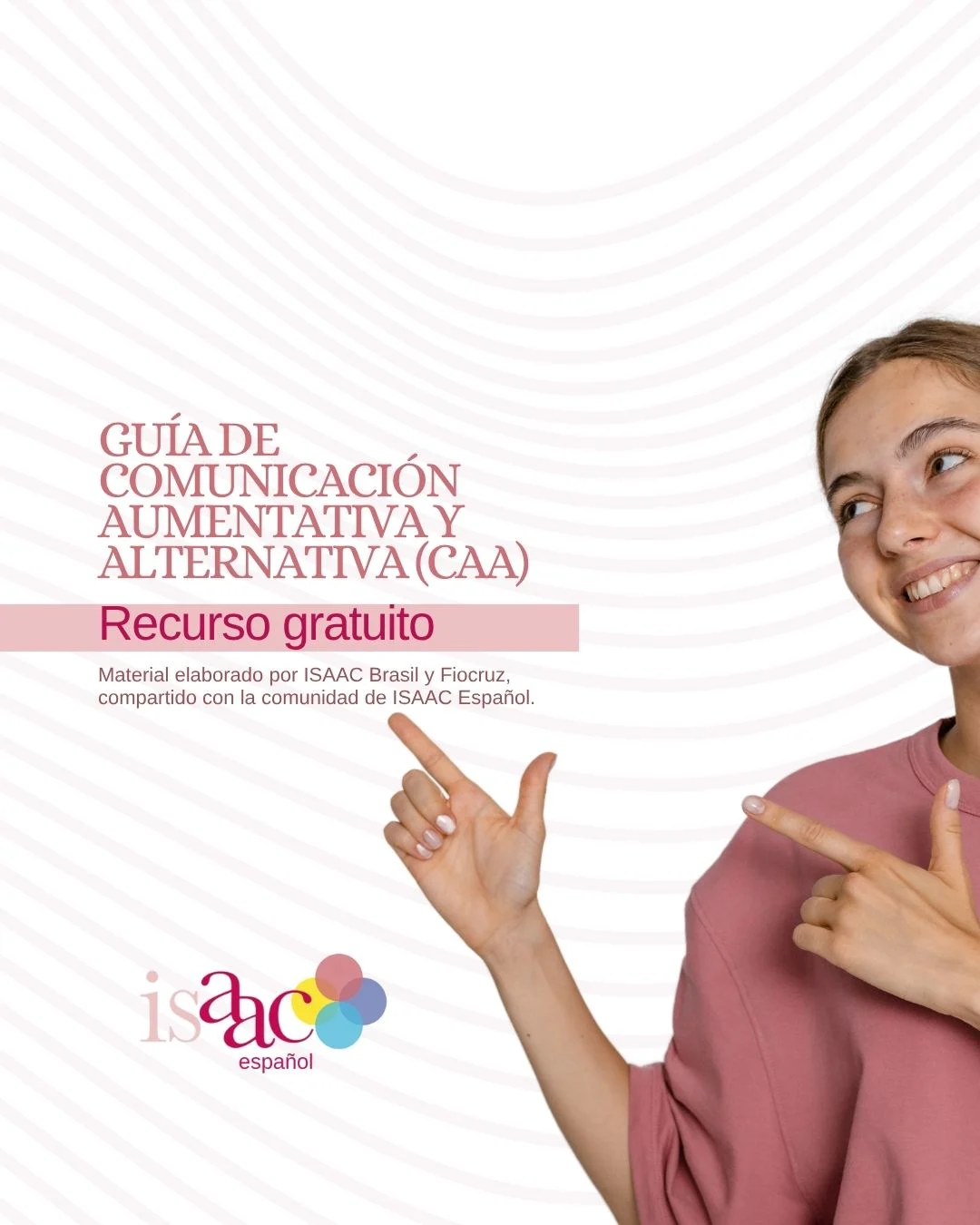
The collaboration between ISAAC (International Society for Augmentative and Alternative Communication) Brazil and Fiocruz—a prestigious public health institution—marks a significant milestone in public health advocacy. By leveraging Fiocruz’s expertise in scientific dissemination and ISAAC’s clinical leadership in the field of assistive technology, the organizations have produced a document that serves as both a primer for beginners and a reference tool for experienced practitioners. Originally drafted in Portuguese, the guide underwent a rigorous translation process to ensure that terminology remains accurate for the diverse dialects found within the Spanish-speaking world.
Chronology of the Project Development
The development of this guide follows a multi-phase trajectory that began with a needs assessment conducted by ISAAC regional chapters. Recognizing that the barriers to AAC adoption were not merely financial but also educational, the working group identified the need for a cohesive, centralized document that could be distributed digitally to minimize geographic barriers.
- Phase I (Needs Assessment): ISAAC Brasil and Fiocruz analyzed existing literature and feedback from clinicians to identify the most common "knowledge gaps" among caregivers and professionals.
- Phase II (Drafting and Peer Review): The initial content was developed in Portuguese, focusing on human rights, the legal standing of communication as a fundamental right, and the mechanics of device implementation.
- Phase III (Translation and Cultural Adaptation): Professional translators specializing in clinical terminology worked to adapt the document for a broader Hispanic audience, ensuring the tone was accessible to parents while remaining technically accurate for medical professionals.
- Phase IV (Dissemination): Launched in early April 2026, the guide is currently being circulated via digital platforms and social media channels to ensure immediate access for low-resource settings.
Data and Accessibility Metrics
The necessity for such a guide is supported by global data regarding communication disabilities. According to recent estimates from the World Health Organization (WHO), over one billion people live with some form of disability, and a substantial portion of these individuals experience significant communication challenges. Without access to AAC, these individuals are at a higher risk of social isolation, reduced educational attainment, and limited participation in public life.
The new guide addresses these disparities by providing clear, actionable information on:
- Rights-Based Frameworks: Educating families on the legal requirements for communication support in public and educational settings.
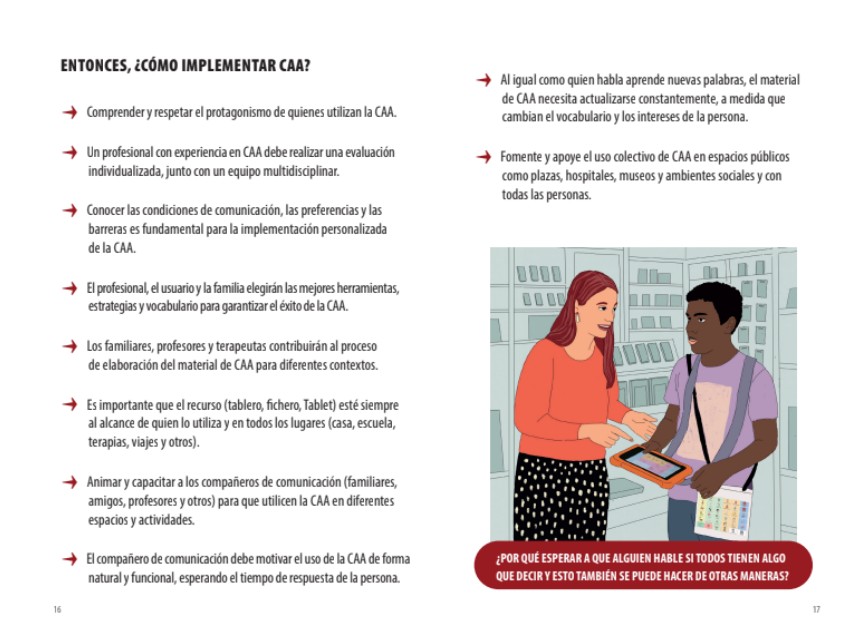
- Implementation Strategies: Offering step-by-step guidance on how to integrate AAC into daily routines rather than treating it as a isolated "therapy" activity.
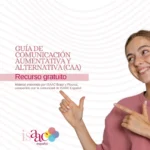
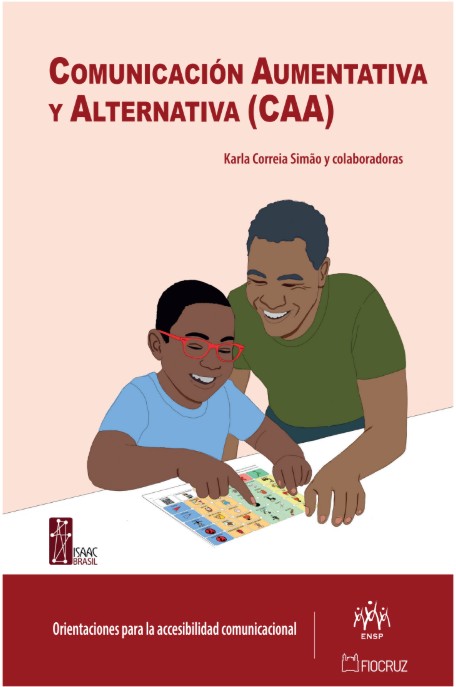
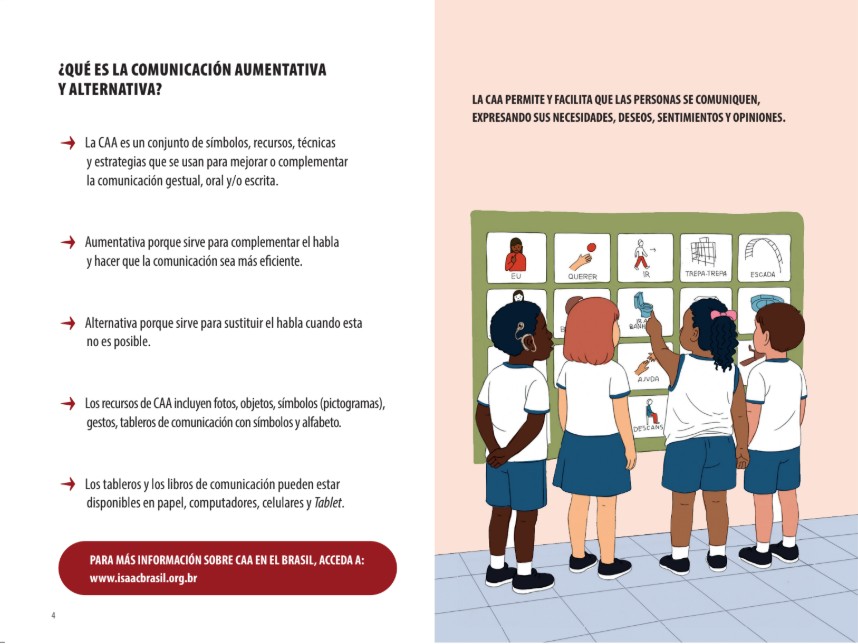
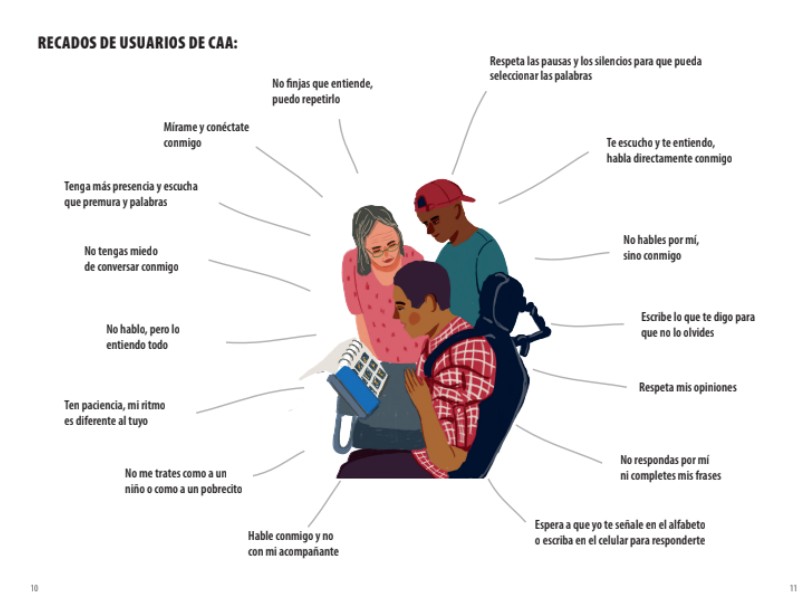
- User-Centric Design: By utilizing illustrations of actual AAC users, the guide moves away from abstract clinical theory, providing visual validation and representation for the community it serves.
Perspectives from the Field
While the official launch is recent, early reactions from the clinical community suggest that the guide fills a critical void. Speech-language pathologists (SLPs) and special educators have long called for materials that can be printed and shared with parents to facilitate home-based programming.

"The primary barrier in many of our regions has not been the lack of technology, but the lack of an informed support network," noted a representative involved in the project’s dissemination. "By providing a resource that is free, digital, and culturally relevant, we are empowering families to take the lead in their child’s communication journey. This guide moves the conversation from ‘what is the device?’ to ‘how do we build a communicative environment?’"
Analysis: Implications for Global AAC Advocacy
The release of this guide is indicative of a broader trend in the disability rights movement: the shift toward decentralized, open-access resources. In the past, high-quality AAC training was often gated behind expensive workshops or proprietary software training. The move by ISAAC and Fiocruz to provide a free, comprehensive document reflects a commitment to the principle that communication is a human right, not a luxury good.
Furthermore, the collaboration between a public health foundation and a specialized international society suggests a shift toward the "medicalization" of communication access. By framing AAC not just as an educational tool but as a public health priority, the organizations are better positioned to lobby for government support and integration into national healthcare systems.
The long-term success of this initiative will likely depend on its adoption rates in schools and clinical settings. The inclusion of QR codes for direct digital access is a strategic choice, designed to ensure that the guide can be shared instantly in classrooms, hospitals, and therapy centers. As digital connectivity continues to expand in Latin America, such initiatives represent a scalable model for other global regions where traditional training infrastructure remains underdeveloped.
Future Outlook and Next Steps
Looking ahead, the project leads intend to monitor the guide’s impact through engagement metrics on social media and feedback loops within ISAAC regional chapters. There is also discussion regarding the development of supplementary digital content, such as webinars or video demonstrations, to further support the written material.
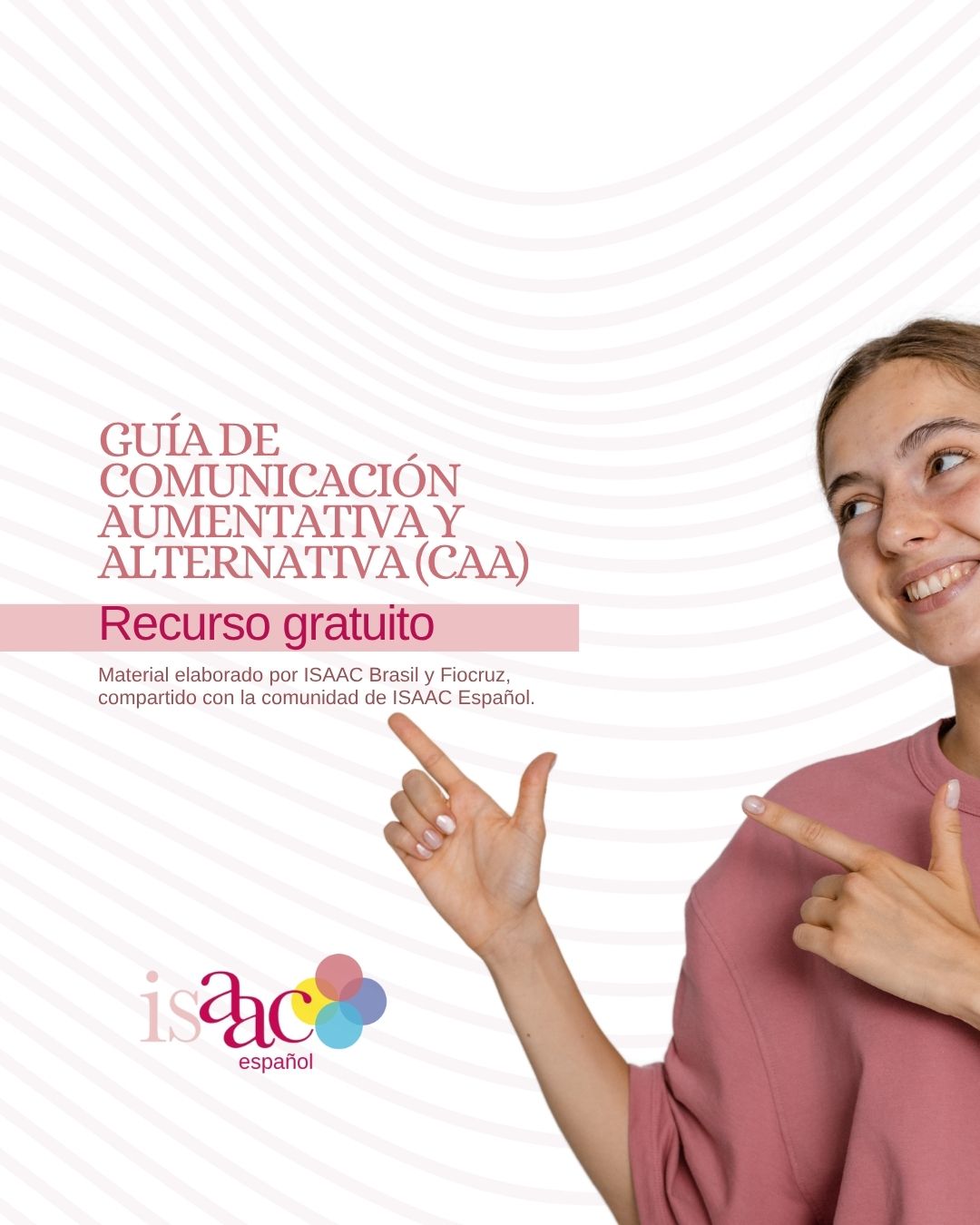
The guide is currently available for download through the official ISAAC Spanish social media profiles on Instagram and Facebook. By centralizing the distribution, the organizers are able to track reach and engagement, providing data that may inform future collaborative efforts. As of early April 2026, the document is being promoted as a cornerstone of the monthly outreach efforts intended to strengthen the international network of AAC practitioners and advocates.
In conclusion, the launch of this Spanish-language AAC guide serves as a testament to the power of international collaboration. By standardizing the language of communication support, the project helps ensure that regardless of geographic location or socio-economic status, individuals with complex communication needs have a greater opportunity to participate fully in the social and civic life of their communities. As the digital landscape continues to evolve, the ability to rapidly disseminate such high-quality, professional resources will be essential to achieving universal communication access.