The Foundation of Early Intervention
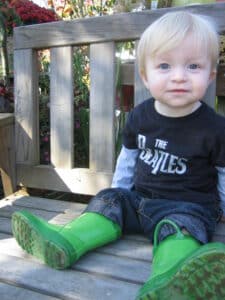
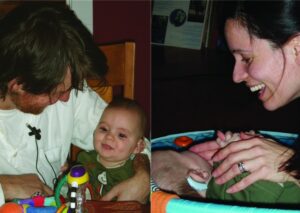
The diagnostic process for sensorineural hearing loss (SNHL) is a critical juncture in a child’s development. In Wendorf’s case, the detection at four months allowed for immediate enrollment in the Listen and Talk program by the age of six months. This rapid response is consistent with pediatric audiology standards, which emphasize that auditory intervention within the first six months of life is paramount for speech, language, and cognitive development.
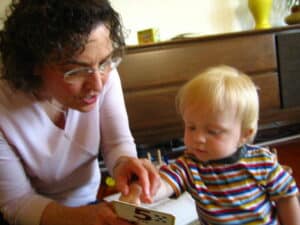
During his formative years, Wendorf participated in the program’s Blended Classroom initiative, an educational model designed to integrate children with hearing loss into a setting that mirrors the linguistic and social complexities of a standard classroom. By utilizing this framework, Wendorf developed the communication skills necessary to navigate a hearing-centric society. The role of specialized educators, such as founder Star Leonard-Fleckman, provided a foundational environment that fostered not only linguistic proficiency but also the confidence required to pursue interests beyond the classroom.
Navigating a Rare Genetic Diagnosis
While his initial diagnosis focused on hearing loss, a significant development occurred when Wendorf reached the age of 12. Medical professionals identified the underlying cause of his condition as a GATA3 gene disorder, specifically categorized as Barakat Syndrome, or HDR syndrome. This rare genetic condition is identified by a clinical triad: Hypoparathyroidism, sensorineural Deafness, and Renal disease.
The discovery of a genetic component to his hearing loss offered both clinical clarity and a broader understanding of the health management required for the future. Barakat Syndrome is categorized by the National Organization for Rare Disorders (NORD) as an autosomal dominant condition, meaning it requires careful monitoring of kidney function and calcium levels. For Wendorf and his family, the diagnosis provided a roadmap for his health, ensuring that his medical team could manage potential secondary complications while he continued his pursuit of personal and professional goals. The resilience Wendorf exhibited in the face of this diagnosis underscores a broader theme in his life: the ability to process complex medical information while remaining focused on personal growth.
A Chronology of Growth and Artistic Exploration
Wendorf’s development has been marked by a consistent rejection of self-imposed limitations. His childhood was characterized by an active engagement in extracurricular activities, ranging from a wide variety of sports to the pursuit of the performing arts. This trajectory suggests that early intervention provided the requisite tools for him to participate in diverse social and competitive environments.
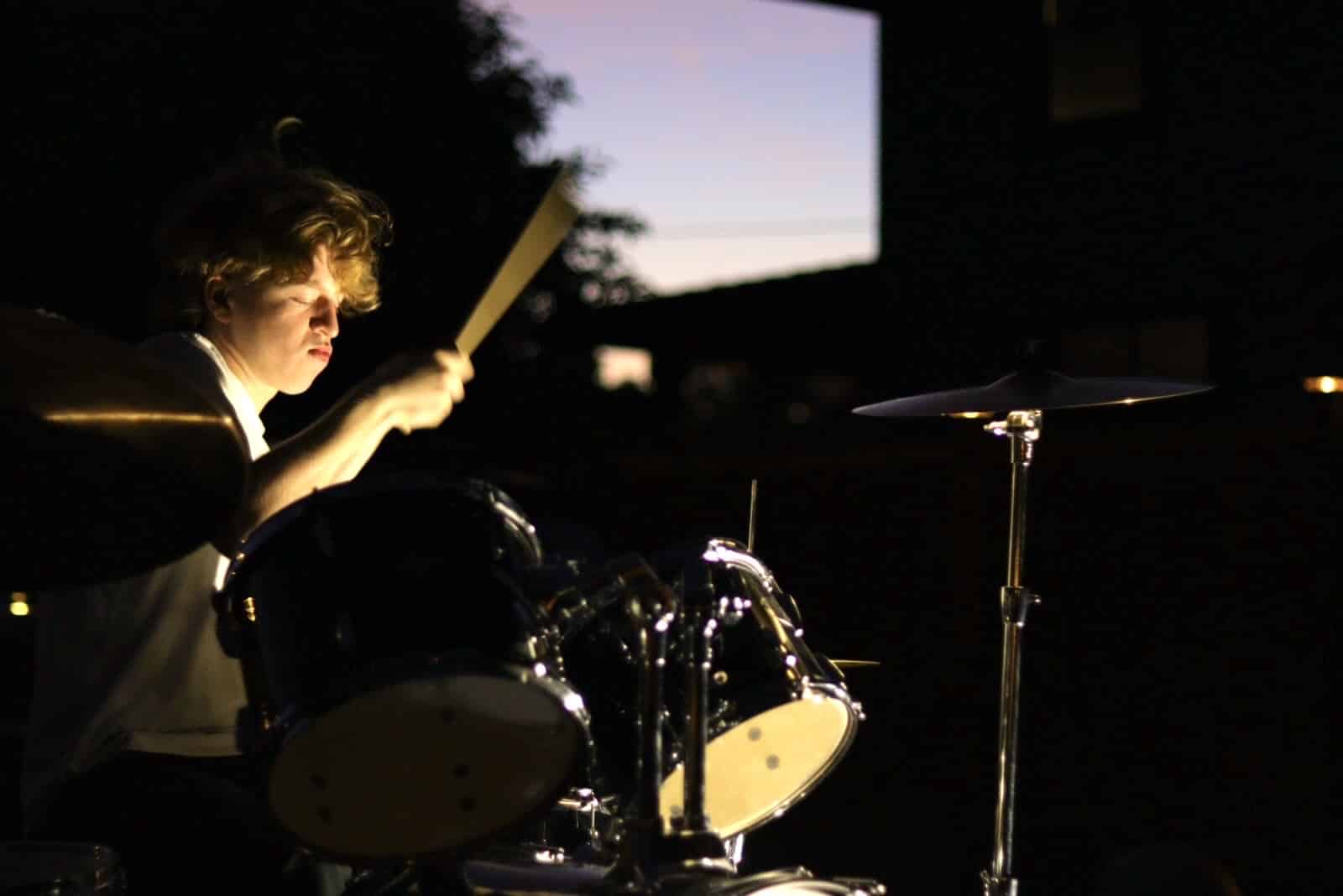
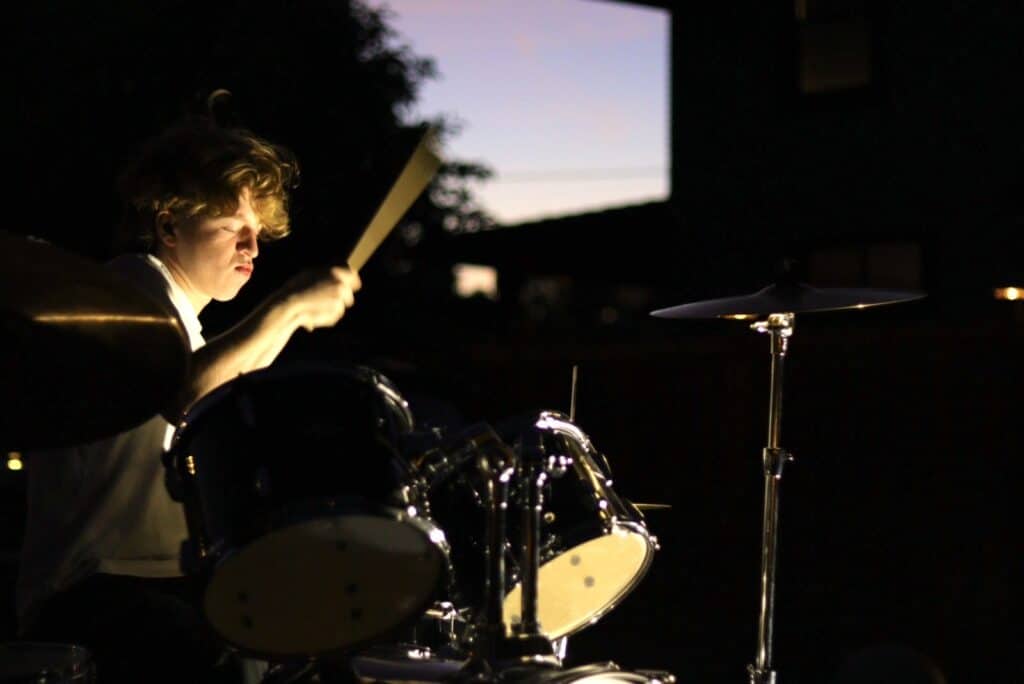
His transition into the arts is particularly notable. Wendorf engaged in rigorous study of improvisational theater and eventually secured lead roles in several stage productions. This artistic path, coupled with self-taught proficiency in both drums and guitar, highlights the adaptability of his communication and sensory processing skills. Following his graduation from Renton High School in June 2024, Wendorf relocated to Los Angeles, a global hub for the arts, to transition his skills into a professional career. This move represents the ultimate validation of his early developmental years, demonstrating that the barriers posed by his hearing loss did not preclude him from seeking high-level professional opportunities in competitive fields.
Data and Impact: The Efficacy of Specialized Programs
The success of alumni like Wendorf serves as a quantitative and qualitative metric for programs such as Listen and Talk. According to the Centers for Disease Control and Prevention (CDC), the prevalence of hearing loss in infants remains a significant public health concern, with approximately 1.7 per 1,000 infants born with permanent hearing loss. Programs that focus on auditory-verbal therapy—the cornerstone of the Listen and Talk methodology—report significantly higher rates of successful mainstreaming for students with hearing loss.
The "Listen and Talk" model is built on the premise that no child should be limited by their hearing loss. By providing specialized services from birth through the preschool years, the organization aims to close the "language gap" that often exists between deaf or hard-of-hearing children and their hearing peers. The ripple effect of these services is observed in the long-term outcomes of students who, like Wendorf, enter adulthood with the ability to advocate for themselves in both academic and professional spheres.
Advocacy and the Role of Support Systems
Reflecting on his experiences, Wendorf noted that his participation in specialized programs provided more than just clinical intervention; it provided a sense of community. "Listen and Talk showed me that in a world where it feels like there aren’t many people like me, I am not alone," Wendorf remarked. This sentiment highlights a critical component of disability support: the psychological reinforcement of belonging.
His parents have frequently emphasized the role of the program in developing his "grounded sense of self." For many parents of children with hearing loss, the primary challenge is not only the physical adjustment to hearing aids or cochlear implants but also the emotional development of the child. The ability to communicate effectively in a "hearing world" is not merely about speech mechanics; it is about the acquisition of social capital—the ability to negotiate, express, and defend one’s perspective in an environment that may not always be accessible.
Implications for Future Policy and Funding
The success stories emanating from alumni programs have direct implications for public health and educational funding. As the demand for specialized early childhood services grows, the role of philanthropic initiatives, such as the Alumni Family Giving Campaign, becomes increasingly vital. These campaigns allow programs to bridge the gap between public funding and the actual cost of providing high-quality, individualized care.
Fact-based analysis suggests that for every dollar invested in early intervention for children with hearing loss, the long-term societal return is substantial. By fostering independence and professional integration, these programs reduce the future reliance on social services and increase the likelihood of individuals becoming tax-paying, contributing members of the workforce. The "Listen and Talk" model functions as a microcosm of successful integration, providing a blueprint for how other institutions might structure their own outreach and educational programs.
Conclusion: A Legacy of Persistence
Kai Wendorf’s transition from a child diagnosed with hearing loss to an artist living in Los Angeles is a testament to the synergy between modern medical intervention and dedicated educational support. His story does not suggest that the challenges of hearing loss disappear, but rather that they can be managed with such efficacy that they cease to be the primary narrative of an individual’s life.
As Wendorf continues to pursue his career in the arts, his journey remains a source of inspiration for families navigating similar diagnoses. The emphasis on early action, consistent advocacy, and the pursuit of one’s passions serves as a universal model for overcoming adversity. For the Listen and Talk program, Wendorf stands as a prime example of their mission: a young man who is not defined by his hearing loss, but rather by his ambition, his creative capacity, and his refusal to be limited by the biological challenges he faced at birth. The continued support for such programs ensures that the next generation of children will have the same opportunity to define their own path, regardless of their hearing status.