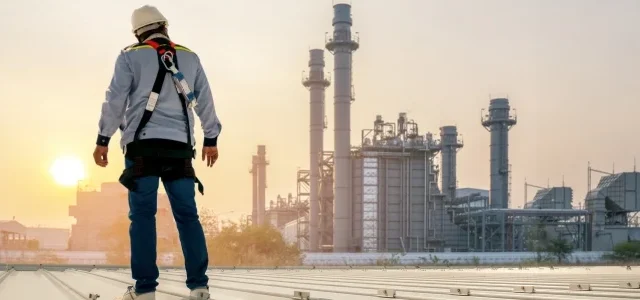

As the industry grapples with these rising statistics, attention has turned to the United Kingdom, where innovative firms like Alfred Bagnall & Sons Limited have implemented comprehensive mental health support networks. By examining the structural, cultural, and procedural adjustments made by such organizations, U.S. construction leaders may find a roadmap to mitigate the stigma that has long hindered progress in the American workforce.

The Scope of the Crisis in American Construction
The construction industry is uniquely challenged by a confluence of high-stress environments, transient workforces, and a deeply ingrained "tough it out" culture. Recent studies reveal that nearly 65% of U.S. construction workers have experienced symptoms of anxiety or depression within the past year. This represents a staggering 50% increase compared to data from the previous 12 months. Perhaps most alarming is the industry’s suicide rate, which currently stands as the second-highest of all major industrial sectors in the United States, trailing only the mining and extraction industries.
The underlying factors contributing to this trend are multifaceted. Construction work often involves long hours, demanding physical labor, job insecurity related to project cycles, and significant periods away from family. When these stressors are compounded by a workplace culture that views vulnerability as a liability, the result is a persistent and damaging stigma. Research indicates that 52.6% of those struggling with mental health issues have never sought professional help, often citing fear of judgment or potential career repercussions as primary deterrents.
A Chronology of Declining Workplace Mental Health
The current state of the construction workforce is the culmination of several years of mounting pressure. While the industry has historically prioritized physical safety—investing billions into PPE, fall protection, and machinery safety protocols—psychological safety has largely been neglected.

- 2023: Initial reports began to highlight a post-pandemic shift in workplace mental health, with anxiety disorders becoming more prevalent across all blue-collar industries.
- 2024: Construction firms began to document a rise in absenteeism and reduced productivity, which many analysts attributed to burnout and untreated mental health conditions rather than traditional health issues.
- 2025: A pivotal year where the "Great Disengagement" became a formal talking point. Surveys indicated that up to 69% of employees felt disengaged from their employers, a metric that correlates strongly with mental health decline.
- 2026: The current year has seen a surge in research confirming that 50% of American workers experience significant daily workplace stress, necessitating an immediate intervention from industry leadership.
Learning from the UK Model
Alfred Bagnall & Sons Limited, a prominent national painting contractor in the UK, serves as a case study for proactive mental health management. The company’s approach is predicated on three pillars: destigmatization, accessibility, and education.
Instead of relegating mental health to a footnote in HR handbooks, Bagnall has integrated support mechanisms into the daily operational flow. This includes the training of "Mental Health First Aiders" who are embedded on job sites. These individuals are not clinical psychologists, but rather peers trained to recognize the early warning signs of distress and facilitate connections to professional help. By normalizing conversations about mental health during morning toolbox talks, the company has effectively shifted the narrative from one of silence to one of shared responsibility.
The U.S. construction sector, which is currently struggling to retain talent, can draw several actionable lessons from this approach:

- Peer-Led Advocacy: Relying on peers rather than distant management to initiate conversations creates a safer environment for workers to open up.
- Normalization through Communication: Integrating mental health check-ins into routine safety briefings reinforces the idea that psychological health is as vital as physical safety.
- Third-Party Integration: Providing anonymous, accessible pathways to counseling services—removed from the direct oversight of a supervisor—removes the fear of workplace retaliation.
Supporting Data and Industry Implications
The implications of failing to address this crisis extend far beyond the moral imperative. From a bottom-line perspective, untreated mental illness is a massive drain on industry productivity. The costs associated with turnover, absenteeism, and "presenteeism"—where an employee is physically present but unable to perform at full capacity—are estimated to cost the U.S. economy billions annually.
Industry analysts emphasize that for the construction sector, which is already facing a significant labor shortage, retention is a primary business objective. Workers are increasingly prioritizing environments that offer holistic support. Companies that fail to adapt their culture to meet these needs risk losing their most skilled personnel to competitors who offer more robust employee assistance programs (EAPs) and a supportive work environment.
Furthermore, the legal and regulatory landscape is shifting. With increased awareness of workplace safety, the definition of a "safe" job site is expanding to include mental well-being. Failure to provide a supportive environment could eventually lead to increased liability and higher insurance premiums, mirroring the historical trajectory of physical safety regulations.

Official Responses and the Path Forward
Trade associations and labor unions have begun to acknowledge the necessity of reform. While official statements from national bodies emphasize the importance of destigmatization, the challenge lies in the execution at the local level. Many small-to-mid-sized firms lack the infrastructure to implement comprehensive mental health programs independently.
Industry experts suggest that a coalition-based approach is required. By pooling resources, smaller contractors can provide their employees with access to high-quality mental health resources that would otherwise be unaffordable. Regional safety councils and apprenticeship programs are being encouraged to include mental health literacy as part of their standard curriculum.
The transition from a culture of silence to one of support will not be immediate. It requires a fundamental shift in leadership philosophy. Executives must demonstrate that prioritizing mental health is not an act of charity, but a strategic imperative that ensures the long-term viability of the construction workforce.

Addressing the Cultural Barrier
The most significant hurdle remains the "tough guy" stereotype that has defined the construction industry for generations. To overcome this, the effort must be top-down. When project managers, site superintendents, and foremen speak openly about the stresses of the job, they provide "permission" for their subordinates to do the same.
In the United Kingdom, this shift has been facilitated by industry-wide campaigns that use relatable figures—respected veterans of the trade—to discuss their own mental health journeys. This mirrors the early days of the industry’s push for physical safety, where respected leaders were used to champion the use of hard hats and safety harnesses until they became second nature.
Conclusion
The U.S. construction industry stands at a crossroads. The data is clear: the current trajectory is unsustainable. By adopting the proactive strategies exemplified by international peers, U.S. firms have the opportunity to transform their workplace culture into one that values the whole worker. The path forward requires a dedication to transparency, a commitment to peer-based support, and the understanding that in a high-stakes industry, the most valuable asset on any job site is the person doing the work.

As the industry moves into the second half of 2026, the success of these initiatives will be measured not just in reduced turnover or increased productivity, but in the tangible lives improved by a more supportive and open professional environment. The transition may be difficult, but for an industry built on the foundation of progress, it is a necessary evolution.