The Evolution of Building Safety Infrastructure
The unveiling of these technologies occurs against a backdrop of increasing complexity in modern building management. As commercial spaces become "smarter" and more interconnected, the challenge of maintaining safety while reducing operational noise has become a primary concern for facility managers. According to industry reports from the National Fire Protection Association (NFPA), nuisance alarms remain a persistent issue, accounting for millions of unnecessary fire department responses annually. These false triggers not only divert public safety resources but also foster "alarm fatigue" among building occupants, which can dangerously delay evacuation responses when an actual fire occurs.
Honeywell’s strategic response at Accelerate 2026 suggests a pivot toward intelligence-led safety. By layering AI and machine learning over traditional sensor hardware, the company is attempting to transform fire detection from a binary trigger system into a sophisticated, analytical diagnostic tool.
Technological Breakthroughs in Detection and Monitoring
At the core of the new product lineup are three primary innovations: the low-level carbon monoxide monitoring system, the System Sensor Distinguish detector technology, and the Incident Command software suite.
The new low-level carbon monoxide monitoring system represents a significant advancement over standard detectors. Unlike conventional units that trigger only upon reaching specific concentrations, this system provides continuous real-time readings and trend analysis. By observing the rate of change in carbon monoxide levels, facility operators can identify potential leaks or ventilation failures before they reach toxic thresholds. This proactive approach is particularly vital for industrial environments where combustion-based processes are constant.

The System Sensor Distinguish detector technology addresses the perennial problem of nuisance alarms. By utilizing advanced sensors capable of differentiating between true fire signatures—such as ionized smoke particles—and environmental disturbances like steam, dust, or localized humidity (mist), the technology effectively filters out "noise." Industry experts note that reducing these false positives is essential for maintaining the integrity of building safety protocols. When an alarm is issued by a Distinguish-equipped system, building staff and emergency personnel can operate with a higher degree of confidence that the threat is authentic.
Empowering First Responders with Incident Command
Perhaps the most ambitious component of the announcement is the Incident Command software application. Designed to be the central nervous system during an emergency, this application consolidates disparate data streams into a single, unified interface. This includes:
- Personnel Accountability: Real-time tracking of staff and occupants based on badge access and sensor data.
- Operational Status: Live telemetry from building management systems, including HVAC, fire suppression, and security.
- Environmental Context: Instant updates on changing building conditions, such as fire spread, smoke migration, or structural integrity alerts.
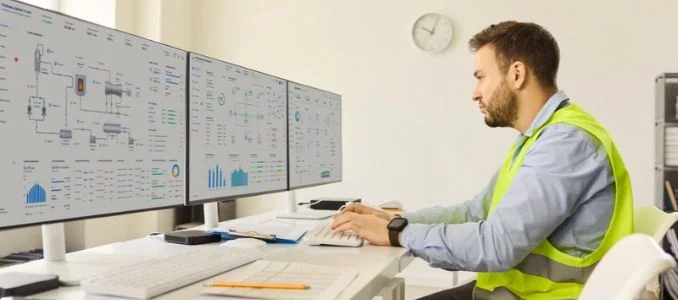
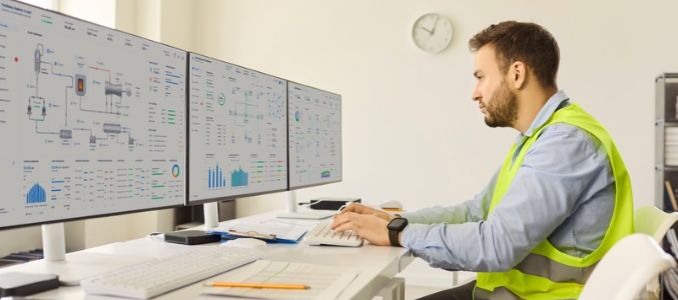
By providing first responders with this granular situational awareness, Honeywell aims to decrease the "information gap" that often occurs in the critical first minutes of an emergency response. In scenarios where a building is large or complex, having a digital twin or a live dashboard of conditions can dictate the difference between a controlled evacuation and a chaotic, high-risk situation.

The Role of Artificial Intelligence in EBI One
Expanding on the theme of centralized intelligence, Honeywell also debuted EBI One, an AI-powered building management platform. EBI One acts as a meta-layer above the existing building infrastructure, utilizing the company’s Forge Cognition platform to process data from diverse sources, including security cameras, energy management systems, and life safety sensors.
The platform’s "intelligent alarm assistance" feature is designed to aid operators in high-pressure environments. When multiple alerts occur simultaneously, the AI classifies and prioritizes them based on historical data and real-time severity, preventing the "information overload" that often plagues operators during a building-wide crisis. This analytical layer allows for more nuanced operational decisions, ensuring that resources are deployed where they are needed most.
Industry Implications and Future Projections
The shift toward connected, AI-driven safety management is reflective of broader industry trends. As businesses face stricter liability requirements and insurance providers demand more robust safety data, the adoption of intelligent systems is expected to accelerate. Analysts suggest that the implementation of such technologies could lower operational costs by reducing the frequency of emergency service call-outs and streamlining maintenance schedules based on predictive analytics rather than fixed-time intervals.

For employers and building owners, these advancements offer a dual benefit: improved compliance with safety codes and a measurable increase in operational resilience. The ability to coordinate effectively with local emergency services through a shared, digital interface could also potentially influence insurance premiums and safety ratings for large-scale commercial facilities.
A Chronology of Honeywell’s Safety Roadmap
The Accelerate 2026 announcement is the latest in a series of strategic moves by Honeywell to dominate the smart building sector. The following timeline outlines the progression of these efforts:
- 2024: Honeywell focuses on the expansion of its Forge platform, emphasizing cloud-based data analytics for energy efficiency.
- 2025: Initial field testing begins for AI-integrated fire detection systems in pilot industrial sites across North America and Europe.
- November 2026: Official launch of the new life safety suite, including Distinguish detectors and the Incident Command interface, at the Accelerate 2026 conference.
- 2027 (Projected): Expected rollout of the updated LenelS2 security platform and the new Niagara framework, which will further integrate building systems into a cohesive, interoperable ecosystem.
Expert Perspectives on Safety Integration
While Honeywell has not released public comments from third-party safety organizations, the move aligns with the increasing emphasis on "Resilient Buildings" promoted by global building standards organizations. Integrating life safety with building management systems is a concept that has been discussed in academic and professional circles for years, but the maturity of AI-based detection is what finally makes these systems viable for widespread commercial use.

One of the primary challenges for the industry will remain the interoperability of these systems with legacy infrastructure. Many older buildings are still operating on outdated communication protocols, which may prevent the full utilization of the EBI One platform. Honeywell’s strategy to introduce a new Niagara framework in 2027 suggests they are aware of this hurdle and are working to provide the necessary "connective tissue" to link older hardware with modern, intelligent software.
Looking Ahead: The 2027 Roadmap
The company’s commitment to the future is evident in its stated roadmap for 2027. By updating the LenelS2 security platform—a staple in enterprise security—Honeywell intends to create a holistic environment where fire safety, physical security, and building automation are not treated as silos, but as a single, unified safety domain.
As the construction and facility management industries continue to embrace digital transformation, the success of these technologies will likely depend on their ease of integration and the reliability of their AI models. If Honeywell can successfully demonstrate that these tools provide a consistent reduction in risk and a measurable improvement in emergency outcomes, it is probable that these technologies will become the industry standard for new construction projects by the end of the decade.

Conclusion
The announcements made at Accelerate 2026 highlight a significant technological leap in how commercial and industrial buildings handle emergency threats. By combining low-level monitoring, signature-distinguishing detection, and centralized incident management software, Honeywell is setting a new benchmark for life safety. As buildings continue to evolve into complex, data-rich environments, the ability to synthesize information and act with precision will become the defining characteristic of a safe and efficient facility. With the planned updates to its security and connectivity frameworks in 2027, Honeywell appears positioned to remain at the vanguard of this technological evolution, providing the tools necessary for a safer, more resilient built environment.