The Silent Epidemic: Understanding Noise-Induced Hearing Loss
Every day, the human ear is barraged by a spectrum of sounds, ranging in intensity from the soft rustle of leaves to the deafening roar of jet engines. While a normal conversation registers at approximately 60 decibels (dB) and is generally considered safe, environments exceeding 85 dB can initiate damage when exposure is frequent or prolonged. The National Institute on Deafness and Other Communication Disorders (NIDCD) reports that roughly 40 million U.S. adults aged 20-69 have noise-induced hearing loss in one or both ears, with nearly one in four U.S. adults showing signs of NIHL attributable to everyday noise exposure. This makes NIHL one of the most common occupational and recreational health issues globally.
Common sources of potentially damaging noise are ubiquitous and include:
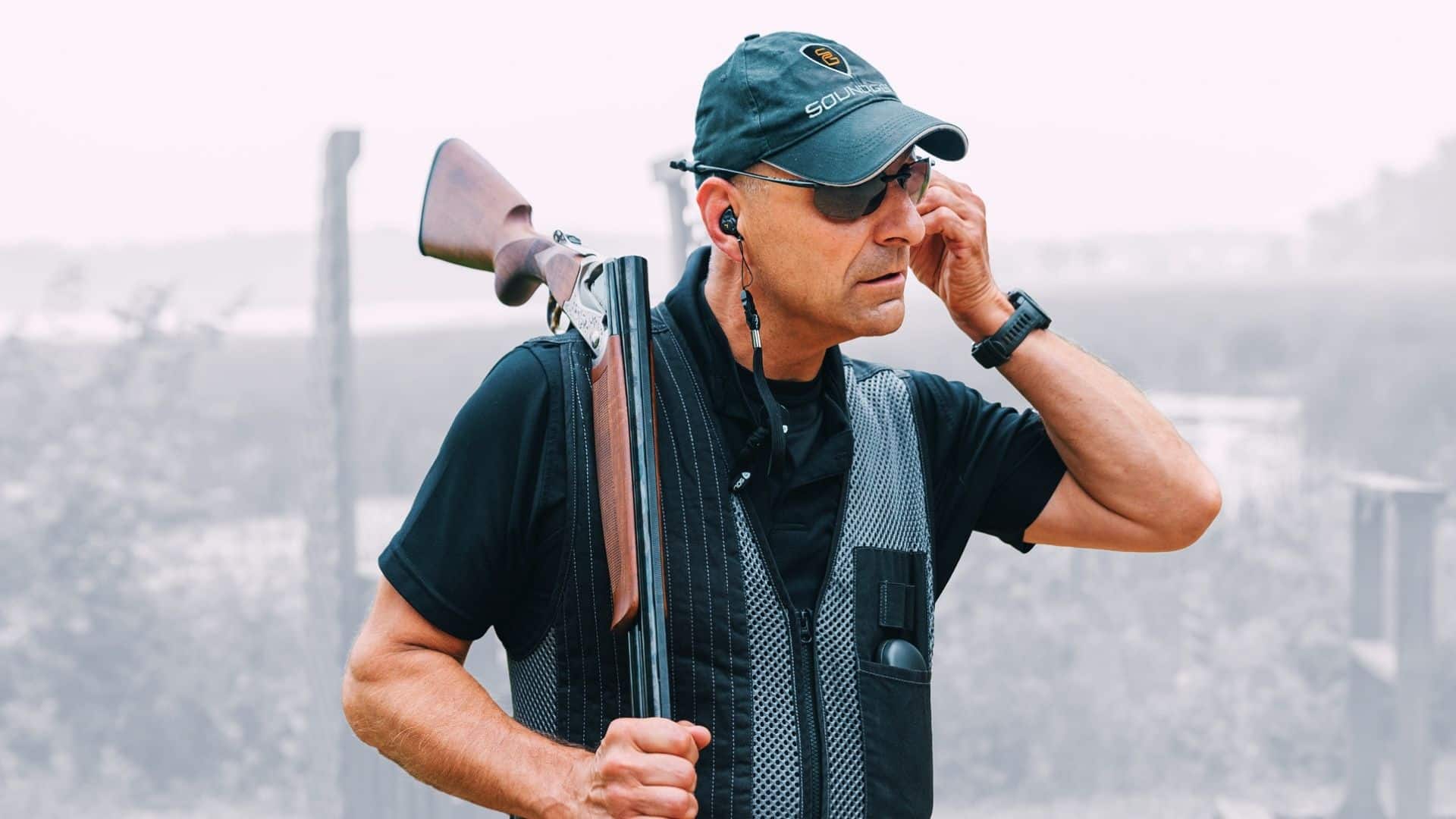
- Recreational Activities: Live concerts, sporting events, hunting, shooting sports, motorcycling, snowmobiling, personal audio devices (headphones/earbuds), and even loud movie theaters.
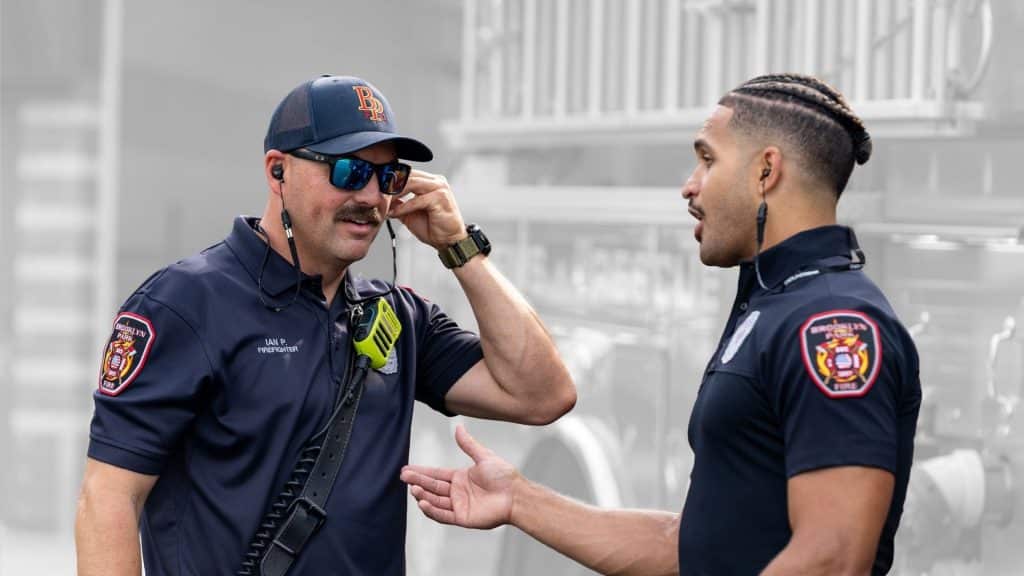
- Occupational Hazards: Construction sites, manufacturing plants, agricultural work, aviation, military service, emergency services, and even certain teaching or entertainment professions.
- Household Noises: Power tools (drills, saws, leaf blowers), lawnmowers, vacuum cleaners, and loud home entertainment systems.
The mechanism of NIHL involves damage to the delicate hair cells within the cochlea of the inner ear. These microscopic cells are responsible for converting sound vibrations into electrical signals that the brain interprets as sound. When exposed to excessive noise, these hair cells can be overstimulated, leading to their irreversible damage or destruction. Unlike other cells in the body, mammalian hair cells do not regenerate, meaning once they are damaged, the resulting hearing loss is permanent. While many people associate hearing loss primarily with aging, NIHL can affect individuals across all age demographics, including children and young adults, due to increasing exposure to loud personal audio devices and recreational noise.
The Insidious Onset: Recognizing the Warning Signs
One of the most insidious aspects of hearing loss is its often gradual development, which allows early warning signs to be easily dismissed or attributed to other factors. This slow progression can mean that significant damage has occurred before an individual seeks professional help. Common indicators that hearing damage may have already begun include:
- Difficulty Understanding Speech: Frequently asking others to repeat themselves, especially in noisy environments like restaurants or crowded rooms.
- Increased Volume Needs: Consistently turning up the volume on televisions, radios, phones, or other audio devices to a level that others find uncomfortable.
- Muffled or Distorted Sounds: Perceiving speech or other sounds as muffled, unclear, or distorted, making comprehension challenging.
- Tinnitus: Experiencing ringing, buzzing, humming, hissing, or roaring sounds in the ears, which can be constant or intermittent. Tinnitus is often a significant early symptom of noise exposure and inner ear damage.
- Auditory Fatigue: Feeling unusually tired or drained after prolonged conversations or time spent in noisy environments, due to the extra cognitive effort required to listen and process speech.
- Withdrawal from Social Situations: Avoiding social gatherings or conversations because of the difficulty and frustration associated with hearing and understanding others.
These symptoms, though seemingly minor at first, are critical indicators that the auditory system is under stress and potentially damaged. Ignoring them can lead to further deterioration and a significant impact on communication, mental health, and overall quality of life. The World Health Organization (WHO) emphasizes that untreated hearing loss can have far-reaching consequences, including communication difficulties, cognitive decline, social isolation, and reduced economic productivity.
Evolution of Hearing Protection: From Passive to Intelligent Solutions
For decades, the primary method of hearing protection relied on passive attenuation, using materials like foam, wax, or rubber to physically block sound waves from reaching the eardrum. Traditional foam earplugs, while inexpensive and effective at reducing overall noise levels, present a significant drawback: they often block all sounds indiscriminately. This indiscriminate blocking can lead to a sense of disconnection from one’s surroundings, impairing communication and situational awareness.
For numerous professions and recreational activities, maintaining situational awareness is not merely a convenience but a critical safety imperative. Hunters need to hear subtle environmental cues and communicate with companions; law enforcement professionals must discern speech and crucial ambient sounds while being protected from sudden loud noises; industrial workers require communication with colleagues and awareness of machinery sounds; and outdoor enthusiasts benefit from hearing approaching hazards or natural sounds. In these scenarios, the trade-off between hearing protection and situational awareness becomes a dangerous compromise.
This challenge spurred innovation, leading to the development of electronic hearing protection. Unlike passive solutions, which simply block sound, electronic devices leverage advanced technology to provide a more sophisticated and dynamic approach to auditory safety. The timeline of hearing protection has seen a significant evolution, from rudimentary ear muffs in the early 20th century to highly sophisticated digital devices today. The late 20th and early 21st centuries marked a rapid advancement in miniaturization and digital signal processing, making intelligent hearing protection widely accessible.

Key Features of Modern Electronic Hearing Protection
Modern electronic hearing protection devices are designed to overcome the limitations of their passive predecessors by intelligently managing sound input. These devices typically incorporate microphones, sophisticated digital signal processors, and miniature speakers to offer a range of protective and enhancing functionalities:
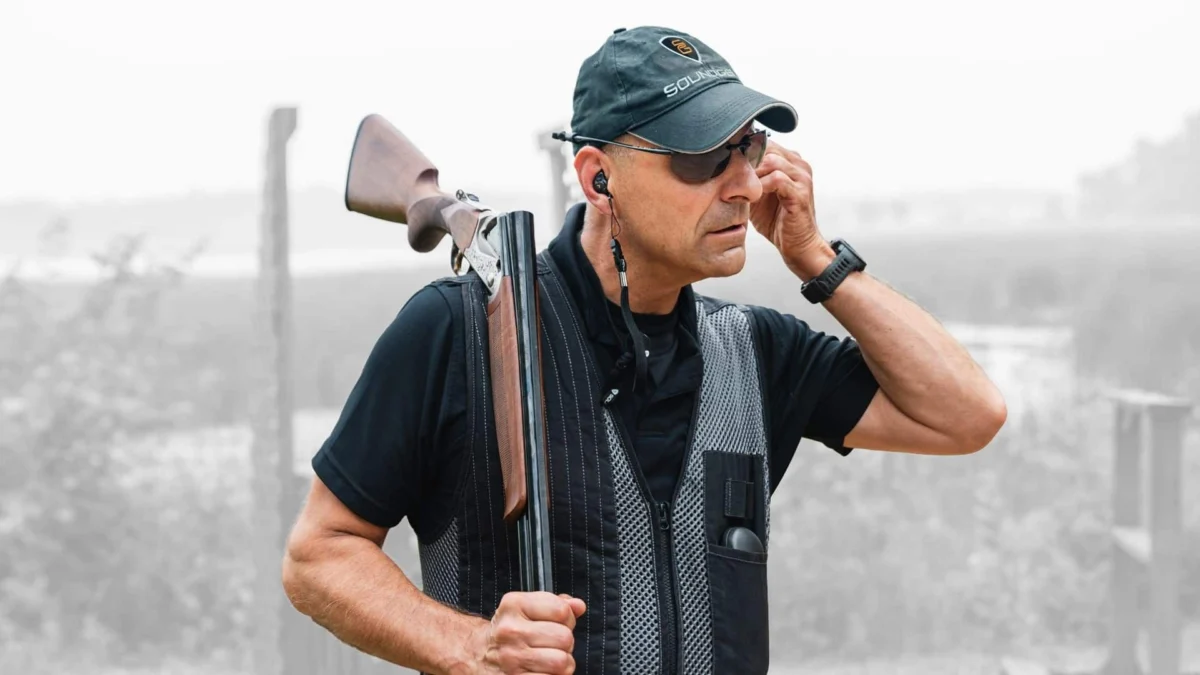
- Intelligent Sound Amplification: They can amplify soft sounds, such as whispers, conversations, or subtle environmental cues (e.g., rustling leaves, approaching footsteps). This feature is particularly valuable for hunters, birdwatchers, or those needing to communicate in quiet but potentially noisy-prone environments.
- Instantaneous Noise Suppression/Compression: Critically, these devices are engineered to instantaneously detect and compress or suppress dangerously loud noises, such as gunshots, machinery impacts, or sudden explosions, down to a safe listening level. This rapid response protects the ear from peak sound pressure levels while allowing softer sounds to remain audible. The speed of this compression is vital, often measured in milliseconds, to prevent transient loud sounds from causing damage.
- Enhanced Speech Clarity: Many advanced electronic protectors incorporate features that enhance speech frequencies, making conversations clearer and easier to understand even when background noise is present. This is achieved through directional microphones and advanced noise reduction algorithms that isolate human speech.
- Connectivity Options: Some modern devices integrate Bluetooth technology, allowing users to connect wirelessly to smartphones, two-way radios, or other communication devices, facilitating calls or audio streaming without removing the protection.
- Comfort and Customization: Available in various forms, from over-the-ear earmuffs to discreet in-ear devices, many electronic protectors can be custom-molded for optimal fit, comfort, and seal, ensuring effective protection and extended wearability.
The result of these technological advancements is a significantly more natural listening experience. Users are protected from damaging noise levels without being isolated from their environment, enabling them to maintain critical situational awareness, engage in conversations, and perform tasks effectively and safely. For instance, in a tactical scenario, law enforcement officers can hear commands and suspect movements while being protected from firearm discharge. In a manufacturing plant, workers can communicate with colleagues and hear warning signals without enduring constant, damaging machinery noise.
The Investment in Auditory Health: Long-Term Implications
Once hearing loss occurs, its effects ripple through various facets of an individual’s life, profoundly impacting communication, confidence, and overall quality of life. The inability to hear clearly can lead to misunderstandings, frustration, and social withdrawal, diminishing the richness of human interaction. Beyond the immediate communication challenges, research has increasingly linked untreated hearing loss to a higher risk of cognitive decline, dementia, depression, and an increased risk of falls in older adults. The brain expends extra effort trying to decipher muffled sounds, diverting resources that would otherwise be used for memory and thinking, leading to cognitive overload and accelerated decline.
The implications extend beyond the individual to broader societal and economic spheres. The economic burden of hearing loss is substantial, encompassing direct healthcare costs for diagnosis and treatment, as well as indirect costs related to lost productivity, unemployment, and reduced quality of life. The WHO estimates that unaddressed hearing loss costs the global economy US$ 980 billion annually due to healthcare costs, loss of productivity and societal costs. Taking proactive steps today to prevent NIHL is therefore not merely a personal health choice but a vital contribution to public health and economic well-being, preserving auditory function for years to come.
Whether one’s activities involve regular exposure to loud environments – be it at a shooting range, in the field during a hunt, at a vibrant concert venue, or within a demanding industrial workplace – choosing the appropriate hearing protection is a crucial investment in long-term health. The market now offers a range of sophisticated solutions tailored to specific needs, moving beyond the one-size-fits-all approach of traditional earplugs.
Expert Recommendations and Future Outlook
Public health organizations and audiology professionals consistently advocate for robust hearing protection strategies. The Centers for Disease Control and Prevention (CDC) and the Occupational Safety and Health Administration (OSHA) provide clear guidelines on permissible noise exposure limits and recommend the use of hearing protection in environments exceeding 85 dBA. Regular hearing screenings, particularly for individuals in at-risk occupations or those with significant recreational noise exposure, are also critical for early detection and intervention.
The future of hearing health continues to evolve, with ongoing research into regenerative therapies for hair cells and further advancements in smart hearing protection technologies. Miniaturization, enhanced battery life, and even more sophisticated artificial intelligence for sound processing are on the horizon, promising even more seamless and effective solutions.
At SoundGear, the philosophy is centered on the belief that hearing protection should never necessitate a choice between safety and environmental awareness. Their advanced solutions, such as the SoundGear Phantom and SoundGear Shield, exemplify this commitment. Products like Phantom, often custom-fit, are designed to offer discreet, high-performance protection that amplifies ambient sounds while instantly suppressing dangerously loud noises. Shield, on the other hand, provides versatile, universal-fit electronic hearing protection suitable for a broader range of users. Both product lines are engineered to help individuals stay protected from harmful noise exposure while remaining fully engaged with the world around them, ensuring clear communication and critical situational awareness. These innovations represent a significant stride in empowering individuals to safeguard their hearing effectively and intelligently, promoting a lifetime of clear sound.
About the Author
Blaise Delfino, M.S. – HIS, is the esteemed Director of Professional Relations at Starkey, where his expertise bridges the critical intersections of professional engagement, comprehensive education, diligent advocacy, strategic business development, impactful marketing, and vital industry relationships. Drawing upon a distinguished career spanning over a decade in the hearing healthcare sector, Mr. Delfino plays a pivotal role in aligning Starkey’s unwavering patient-first mission and its groundbreaking technological innovations with the dedicated hearing care professionals who are instrumental in bringing the gift of better hearing to life for countless individuals every single day. Since joining Starkey after a successful tenure owning and operating a private practice, he has emerged as a prominent and articulate advocate for enhanced professional collaboration, the development of empathetic and effective caring technology, and the profound conviction that improved hearing profoundly enhances how people live, communicate, and connect within their communities.