
This regulatory pivot follows a period of legal uncertainty and administrative friction that has characterized the implementation of the 2024 standards. By aligning more closely with established Occupational Safety and Health Administration (OSHA) benchmarks, the MSHA hopes to create a more cohesive and enforceable safety standard that accounts for the unique, often confined, and hazardous environments inherent in underground and surface mining operations.
The Regulatory Landscape and the 2024 Rule
The original 2024 silica rule was designed to be a definitive step forward in protecting miners from the health risks associated with inhaling dust containing quartz. Crystalline silica is a basic component of soil, sand, granite, and many other minerals. When miners drill, cut, or crush rock, these particles become airborne; if they are small enough to be inhaled, they can settle deep in the lungs, leading to inflammation, scarring, and eventually, life-threatening conditions like silicosis, lung cancer, and chronic obstructive pulmonary disease (COPD).

Despite the consensus on the dangers of silica dust, the rollout of the 2024 rule faced immediate headwinds. Legal challenges led the U.S. Court of Appeals for the 8th Circuit to issue a stay on the compliance deadlines for the rule, effectively freezing the agency’s ability to enforce its more stringent components. In an April program information bulletin, the MSHA acknowledged this judicial intervention, informing industry stakeholders that it would defer enforcement of the new requirements while reverting to the existing, pre-2024 standards for day-to-day operations. This legal limbo created a fractured compliance environment, prompting the agency to return to the drawing board to refine the rule into a version that can withstand legal scrutiny while achieving the same public health objectives.
Key Components of the Proposed Revisions
The latest proposal introduces a more granular approach to risk management. The shift towards "risk-based" requirements suggests that the MSHA is attempting to tailor compliance burdens to the specific types of mining activity and the actual level of dust concentration encountered by workers. The primary areas of focus include:

- Medical Surveillance: The proposal aims to enhance the frequency and quality of medical screenings for miners, ensuring that early signs of silica-related illness are caught before they progress to disabling conditions.
- Exposure Monitoring: By adopting protocols more closely aligned with OSHA standards, the MSHA seeks to standardize how air sampling is conducted and reported, reducing the potential for data inconsistencies across different mining sites.
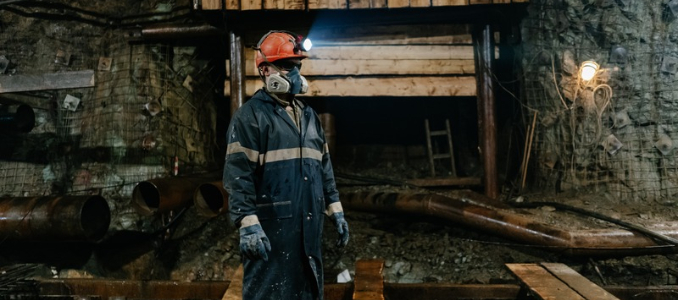
- Respiratory Protection: The proposal clarifies the selection and use of respirators, emphasizing that personal protective equipment (PPE) must be treated as a secondary defense, secondary to engineering controls like water sprays and ventilation systems that suppress dust at the source.
- Recordkeeping: The agency is proposing more robust documentation requirements to ensure that mine operators maintain transparent and accessible logs of worker exposure, which is critical for long-term health tracking.
By integrating these elements, the MSHA is attempting to build a system that is not only protective but also administratively manageable for both small-scale independent operations and large industrial mining conglomerates.
Data and Health Context: The Silent Danger
The persistence of silica-related diseases in the 21st century remains a significant public health concern. According to historical data from the National Institute for Occupational Safety and Health (NIOSH), miners who have worked for decades in high-dust environments are at a disproportionately high risk for "black lung" and silicosis. Unlike acute injuries, which occur in a singular, identifiable event, silica-related illnesses are cumulative. A miner might be exposed to high levels of dust for years without immediate symptoms, only to face respiratory failure later in life.

The decision to maintain the PEL at 50 micrograms per cubic meter reflects the MSHA’s belief that this threshold, if strictly enforced, is sufficient to protect miners from the most severe health outcomes. However, the move to keep the 25-microgram action level—a point at which mine operators must begin taking additional precautions—serves as a proactive measure to prevent levels from ever reaching the maximum allowable limit.
Chronology of Regulatory Developments
The path to the current proposal has been marked by a complex interplay between scientific research, industrial advocacy, and judicial oversight:

- Late 2023: MSHA finalizes the framework for the 2024 silica rule, aiming to harmonize mining standards with the broader federal standards observed in construction and general industry.
- Early 2024: The rule is challenged in court by various industry groups concerned about the technological feasibility and the economic burden of the compliance deadlines.
- Spring 2024: The 8th Circuit Court of Appeals grants a stay on compliance deadlines. MSHA issues an information bulletin, signaling a pause in enforcement of the new rule while maintaining the status quo of existing regulations.
- November 2024: MSHA releases the new, amended proposal, citing the need for "risk-based" adjustments and better alignment with OSHA standards to overcome the legal hurdles established by the stay.
Industry and Stakeholder Reactions
While official responses from major mining associations are still being formulated, initial reactions from the industry have focused on the importance of regulatory stability. Mining operators have long argued that while they support worker safety, the costs associated with upgrading ventilation equipment and implementing rigorous medical monitoring must be balanced against the operational realities of the sector.
Labor advocacy groups, conversely, are expected to push for the fastest possible implementation of these protections. Representatives for miners have historically argued that the existing standards have been insufficient for too long, pointing to the ongoing prevalence of respiratory diseases as evidence that the "status quo" is failing to protect the workforce.

The public comment period, which will last for 60 days following the publication of the rule in the Federal Register, will provide a formal platform for these competing interests to present their data and arguments. Following this period, the MSHA will hold a public hearing, a critical step that will allow stakeholders to testify on the record about the practical implications of the proposed changes.
Broader Implications and Future Outlook
The outcome of this rulemaking process will have long-term consequences for the mining sector. If the MSHA is successful in finalizing this amended rule, it will likely set a new, permanent baseline for occupational health in the mines. The harmonization with OSHA standards is particularly significant, as it suggests a shift toward a more unified federal approach to respiratory health across all industrial sectors.

Furthermore, the "risk-based" nature of the proposal implies that the MSHA is looking to foster a culture of prevention rather than just a culture of compliance. By requiring more sophisticated exposure monitoring, the agency is encouraging mine operators to identify potential hazards before they become health emergencies.
From an economic perspective, while the initial cost of compliance—training staff, purchasing monitoring equipment, and implementing new administrative protocols—may be high, the long-term potential for reducing workers’ compensation claims, medical costs, and lost productivity due to illness represents a significant investment in the industry’s future.

As the industry prepares to review the specific text of the proposal, the focus will undoubtedly remain on the feasibility of the new recordkeeping and surveillance requirements. The challenge for the MSHA will be to ensure that the rules are rigid enough to save lives but flexible enough to account for the diverse and challenging environments in which miners operate.
The upcoming public hearings and the subsequent comment analysis period will be decisive. Should the agency successfully navigate the remaining legal and administrative hurdles, the 2024 rule, as amended, will represent a milestone in the effort to eradicate silica-related diseases from the American mining landscape, ensuring that the men and women who extract the resources powering the nation’s economy can return home with their health intact.