
The Evolution and Impact of CAR-T Cell Therapy
To understand the significance of these findings, it is essential to consider the rapid evolution of CAR-T therapy. First approved by the U.S. Food and Drug Administration (FDA) in 2017 for the treatment of acute lymphoblastic leukemia (ALL), CAR-T therapy involves a sophisticated "living drug" approach. A patient’s own T cells are harvested, genetically modified in a laboratory to express synthetic receptors that target specific proteins on cancer cells—such as CD19 or BCMA—and then reinfused into the patient. Once inside the body, these cells multiply and launch a targeted attack on the malignancy.
Since its initial approval, the scope of CAR-T therapy has expanded to include multiple myeloma and various types of non-Hodgkin lymphoma. Ongoing clinical trials are also exploring its efficacy in treating solid tumors, including highly aggressive pediatric brain stem and spinal cord tumors. While the therapy has achieved remarkable remission rates, it is also associated with acute toxicities, most notably cytokine release syndrome (CRS) and immune effector cell-associated neurotoxicity syndrome (ICANS). While CRS and ICANS are typically acute and manageable in a hospital setting, the more subtle, long-term cognitive impairments—frequently described by patients as a persistent mental haze—have remained poorly understood and under-addressed until now.
Unveiling the Mechanism: The Role of Microglia and Myelin
The Stanford research team, led by senior author Michelle Monje, MD, PhD, a professor of pediatric neuro-oncology and a Howard Hughes Medical Institute investigator, sought to isolate the cause of this cognitive "fog." Through a series of experiments conducted primarily in mouse models, the researchers discovered that the primary drivers of cognitive impairment are microglia, the specialized immune cells of the central nervous system.
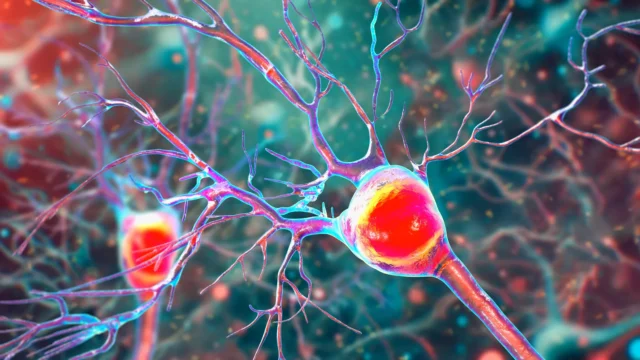
When CAR-T cells are active in the body, they trigger a systemic immune response that "activates" or "annoys" the microglia. Once activated, these microglia begin to secrete inflammatory molecules known as cytokines and chemokines. This inflammatory signaling creates a hostile environment within the brain, specifically targeting oligodendrocytes. Oligodendrocytes are the cells responsible for producing myelin, the fatty, insulating sheath that wraps around nerve fibers (axons). Myelin is essential for the rapid and efficient transmission of electrical signals throughout the nervous system.
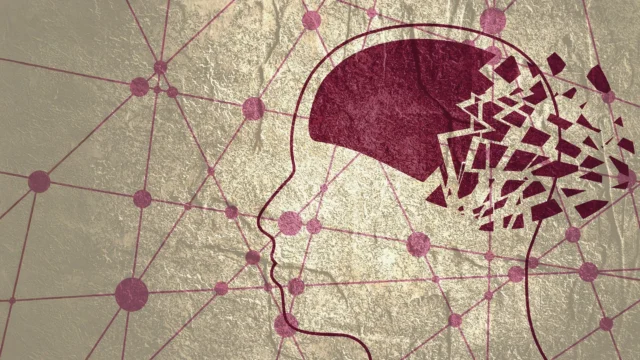
The study found that the inflammation caused by the CAR-T response leads to a significant dysregulation of these oligodendrocytes, resulting in a reduction of myelin integrity. When the "insulation" of the brain’s wiring is compromised, signal transmission slows down, manifesting as the cognitive sluggishness and memory issues reported by patients. This discovery is pivotal because it establishes a "unifying principle" for brain fog across various medical conditions. The same neuro-inflammatory cascade involving microglia and myelin loss was previously identified by Dr. Monje’s lab as the culprit behind cognitive impairment following traditional chemotherapy and the "long COVID" symptoms observed after mild respiratory infections.
Experimental Methodology and Data Analysis
The research team employed a comprehensive approach to ensure that the cognitive impairment was a direct result of the CAR-T therapy rather than the underlying cancer or other treatments. They utilized mouse models with tumors located in diverse regions, including the brain, blood, skin, and bone. By testing mice with different tumor locations, the researchers could determine if the "fog" was caused by the cancer’s proximity to the central nervous system.
Using standardized cognitive assessments—such as the novel object recognition test, which measures a mouse’s ability to remember and distinguish between familiar and new objects, and maze navigation tests—the researchers gathered empirical data on cognitive performance. The results were consistent: mice treated with CAR-T cells exhibited measurable cognitive deficits regardless of whether the cancer was located inside or outside the brain.
The only exception was a specific group of mice with bone cancer that exhibited very low levels of systemic inflammation. In these cases, the CAR-T therapy did not trigger the microglial activation necessary to cause cognitive decline. This finding reinforced the theory that it is the intensity of the immune-driven inflammatory response, rather than the CAR-T cells themselves or the cancer, that dictates the level of brain fog.
To validate these findings in humans, the researchers analyzed postmortem brain tissue samples from patients who had participated in a Stanford clinical trial for CAR-T therapy targeting spinal cord and brain stem tumors. The analysis confirmed the presence of dysregulated microglia and compromised oligodendrocytes, mirroring the cellular environment observed in the mouse models. This cross-species consistency provides strong evidence that the mechanism identified in the laboratory is directly applicable to human patients.
Strategies for Reversal and Therapeutic Development
Perhaps the most optimistic aspect of the Stanford study is the identification of potential strategies to reverse the cognitive damage. The researchers successfully demonstrated two methods for restoring cognitive function in mice:
- Transient Microglia Depletion: The team administered a compound that temporarily cleared microglia from the brains of the mice for a period of two weeks. When the microglia eventually repopulated the brain, they returned in a "resting" or non-inflammatory state. Following this reset, the mice showed no further signs of cognitive impairment, and their performance on memory tests returned to normal levels.
- Chemokine Receptor Blocking: The researchers utilized a medication designed to enter the brain and block the specific receptors that receive inflammatory signals from chemokines. By interrupting the communication between the "annoyed" microglia and the rest of the brain, the researchers were able to rescue cognitive function without the need to deplete the immune cells entirely.
Dr. Monje noted that these strategies are particularly promising because they utilize compounds similar to medications already in clinical development or currently used for other conditions. This could significantly shorten the timeline for bringing a "brain fog treatment" to the clinical setting.
The Importance of Quality of Life in Oncology
The study’s findings come at a time when the field of oncology is shifting its focus toward "survivorship"—the long-term health and well-being of patients after they have cleared their primary disease. For pediatric patients, the implications are especially profound. As children’s brains are still in a state of active development, any disruption to myelination can have long-lasting effects on their educational attainment and social integration.
"We’re deeply interested in how cancer therapies affect cognition because it affects patients’ quality of life," Dr. Monje stated. "We need to understand all its possible long-term effects… so we can develop therapeutic approaches to fix it."
The recognition of "immunotherapy-related cognitive impairment" as a distinct clinical syndrome allows doctors to better prepare patients for the potential side effects of CAR-T therapy. While the impairment is generally considered mild—distinguishable from degenerative conditions like dementia—the frustration and functional impact on a patient’s daily life are significant.
Broader Implications and Future Research
This research extends beyond the realm of oncology. By identifying a shared cellular pathway for cognitive impairment across chemotherapy, viral infections, and immunotherapy, the Stanford team has provided a roadmap for treating a wide array of neurological symptoms. The discovery suggests that the medical community may eventually develop a standardized "neuro-protective" protocol that could be administered alongside various treatments to shield the brain from inflammatory damage.
The study was a collaborative effort, involving researchers from New York University’s Grossman School of Medicine and the Washington University School of Medicine in St. Louis. It was supported by a wide range of prestigious organizations, including the National Institutes of Health (NIH), the National Cancer Institute (NCI), and the Howard Hughes Medical Institute, as well as numerous pediatric cancer foundations such as Alex’s Lemonade Stand and the McKenna Claire Foundation.
As CAR-T cell therapy continues to expand into the treatment of solid tumors and potentially autoimmune diseases, the ability to mitigate its neurological side effects will be crucial. The Stanford study provides the first mechanistic proof that immunotherapy can cause lasting cognitive symptoms and, more importantly, offers a tangible path toward a cure for the "fog" that has long shadowed one of modern medicine’s greatest successes.
The next phase of research will involve clinical trials to determine the safety and efficacy of microglial modulators and chemokine blockers in human patients. If successful, these treatments could become a standard component of the CAR-T protocol, ensuring that the "living drug" that saves a patient’s life does not also diminish their ability to fully live it. In the words of the researchers, understanding the "unifying principle" of these syndromes is the first step toward ensuring that the future of cancer treatment is not only about survival, but about recovery in the truest sense of the word.