
The Diagnostic Landscape: Navigating Complexity
The medical journey for children like Jack often begins in infancy, where the clinical reality of hearing loss is frequently compounded by systemic health issues. EFTUD2, a rare genetic condition, is characterized by distinct craniofacial features and, in nearly all documented cases, some degree of hearing loss. For the Krenn family, the initial medical assessment indicated a moderate-to-severe mixed hearing loss in both ears.
In the early stages, the terminology alone—BAHA (Bone Anchored Hearing Aid), conductive versus sensorineural loss, and specialized earmold selection—can overwhelm families. During the first months of life, infants diagnosed with hearing impairment are typically thrust into a rigorous cycle of audiological testing, surgical consultations, and state-funded support applications. Data from the Centers for Disease Control and Prevention (CDC) indicates that early identification of hearing loss, occurring before the age of six months, is the most significant predictor of future linguistic and academic success. Without this prompt intervention, children are at a statistically higher risk for delayed speech and language development, which can lead to long-term educational disparities.
Chronology of Intervention: A Three-Year Timeline
Jack’s development followed a structured intervention timeline that underscores the efficacy of professional partnership.
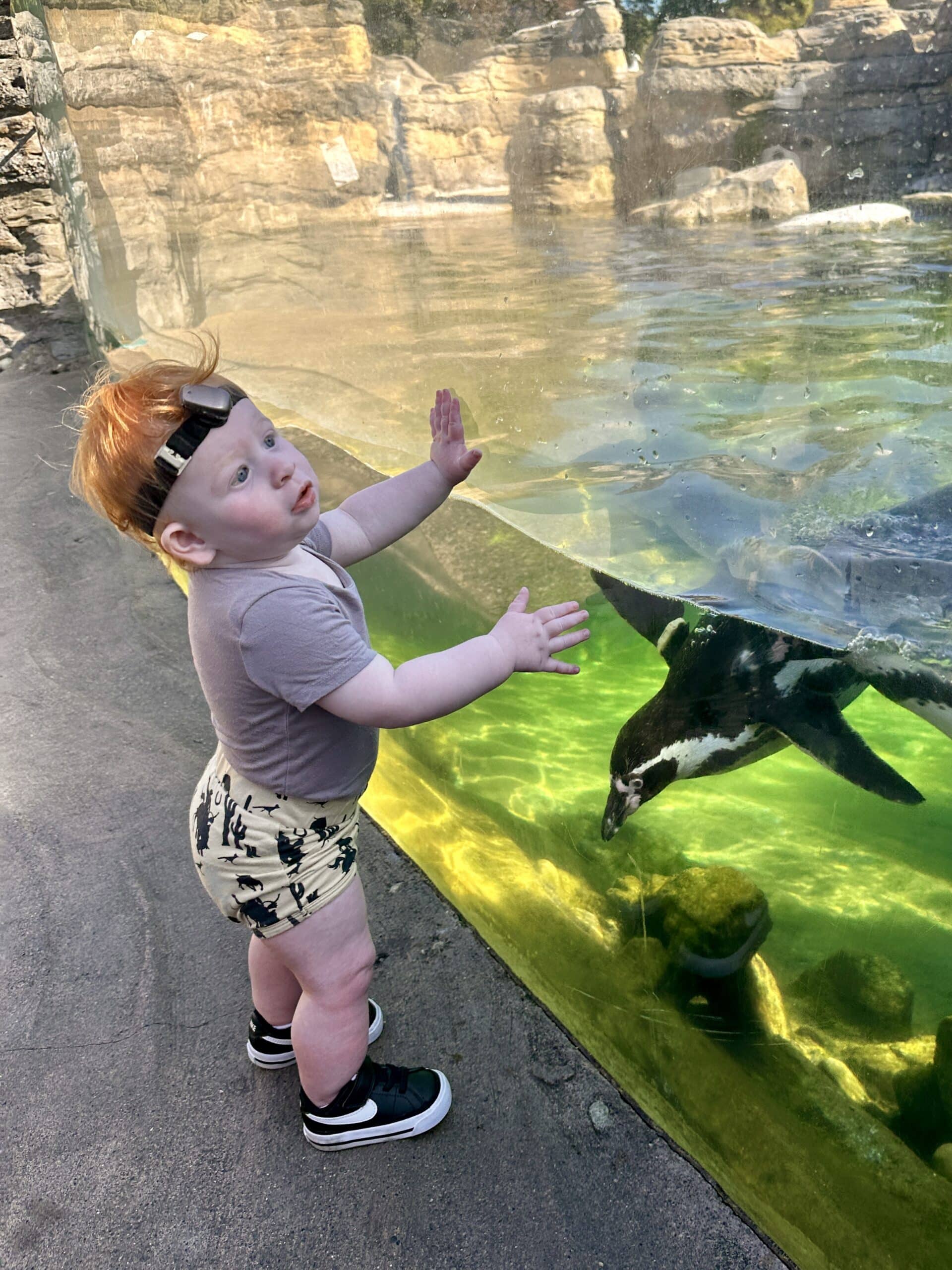
- Infancy (0–6 months): Diagnosis of hearing loss and initial engagement with diagnostic audiology services. Parents began the process of navigating state Department of Social and Health Services (DSHS) resources.
- Early Childhood (6 months – 3 years): Enrollment in a specialized birth-to-three program. This phase involved weekly sessions with a speech-language pathologist (SLP). The focus here shifted from simple medical management to holistic support, including the education of extended family and the integration of hearing technology into daily environments.
- Preschool (3 years – Present): Transition into a blended classroom environment. At this stage, the emphasis evolved to address secondary challenges, specifically Childhood Apraxia of Speech (CAS), a motor speech disorder that complicates the child’s ability to plan and execute the physical movements required for speech.
Throughout this timeline, the role of the SLP transitioned from a clinical provider to a community bridge-builder. By participating in social settings, such as playgroups and professional environments, the SLP provided the family with the tools to advocate for Jack in real-world, non-clinical settings.
Understanding the Clinical Nuance
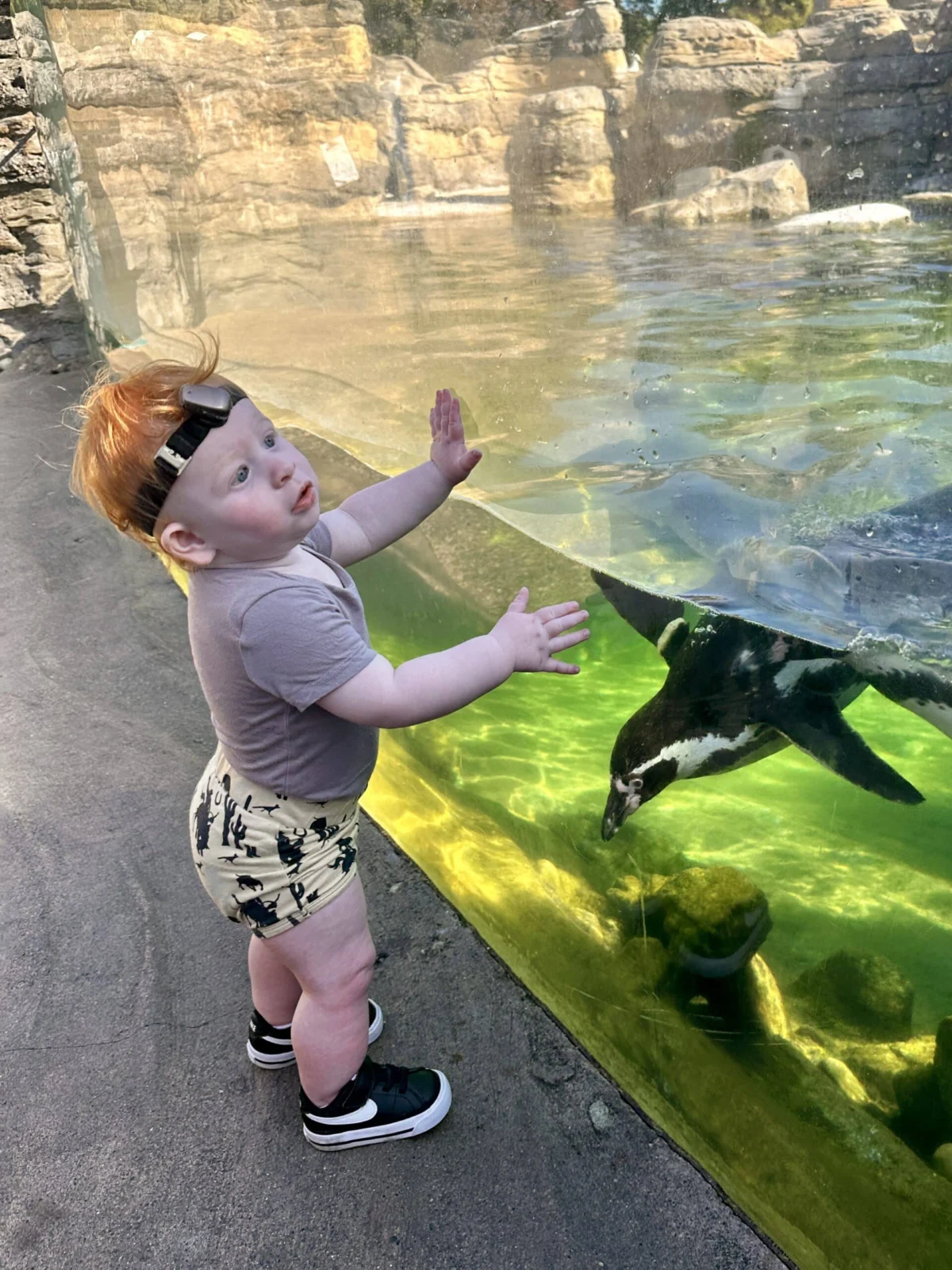
While initial testing suggested a bilateral moderate-to-severe mixed loss, subsequent longitudinal data—gathered as Jack grew and developed—revealed a more specific diagnosis: unilateral conductive hearing loss. This refinement of the clinical picture allowed for a more precise, less invasive approach to amplification. Today, Jack utilizes an over-the-ear hearing aid on his right side.
The presence of Childhood Apraxia of Speech alongside hearing loss presents a unique “double challenge.” While hearing loss affects the intake and processing of auditory information, apraxia affects the output—the physical motor planning required to produce clear speech. Addressing both simultaneously requires a multidisciplinary approach, often integrating traditional audiology with intensive speech therapy. The progress documented in Jack’s case reflects the success of programs that emphasize this blended, responsive educational model.
The Efficacy of Blended Educational Environments
Listen and Talk, the organization supporting the Krenn family, operates on a model of early intervention that emphasizes both academic readiness and social-emotional growth. The efficacy of these programs is often measured not just by clinical test scores, but by the child’s ability to integrate into social settings.
Recent educational research suggests that “blended classrooms”—environments where children with hearing impairments learn alongside their peers—foster better social integration and self-advocacy skills. For Jack, the transition to a preschool setting has been marked by increased confidence. Teachers in these environments are trained to manage not only the technical aspects of hearing aids but also the nuances of classroom acoustics, which are essential for children who struggle to filter background noise.

Broader Impact: The Economics of Early Support
The financial and social implications of early intervention are significant. According to the National Institute on Deafness and Other Communication Disorders (NIDCD), the cost-benefit ratio of early intervention programs is overwhelmingly positive. Investment in services such as speech therapy, audiology, and parental training reduces the long-term reliance on remedial special education services within the public school system.
Furthermore, the “Alumni Family Giving” model, which supports these programs, highlights the sustainability of these interventions. By creating a pipeline of support that connects experienced families with those just beginning their journey, these programs build a community of practice that mitigates the isolation often felt by parents of children with rare genetic conditions.
Conclusion: Beyond the Diagnosis
The transformation of Jack’s journey—from a family struggling to select the right color of an earmold to a confident child navigating the world with neon-colored, glitter-adorned hearing technology—symbolizes a shift in the broader narrative surrounding hearing loss. It is a shift from viewing hearing loss as a limitation to viewing it as a characteristic that can be managed through technology, dedication, and community support.
As the advocacy community continues to push for universal access to early intervention services, the lessons learned from the Krenn family and their experience at Listen and Talk remain clear: the trajectory of a child’s development is not defined by a diagnosis, but by the quality and timing of the support they receive. The goal of such programs remains consistent with the vision that, with the right resources, no child should be limited by hearing loss. Through ongoing donations and public awareness, these organizations ensure that the infrastructure for this success is available to every family, regardless of the complexity of their child’s individual needs.