
The Genesis of the Initiative: Tinnitus Week 2026
The national conversation surrounding noise-induced hearing loss (NIHL) and tinnitus gained substantial momentum in February 2026 during Tinnitus Week. Recognizing that the prevalence of tinnitus is a growing public health concern—with data indicating that millions of adults in the UK experience some form of ringing in the ears—Tinnitus UK launched its Amplifying Awareness report. This document served as a foundational piece of research, synthesizing data from industry professionals, musicians, and concertgoers to illustrate the urgent need for standardized safety protocols.
The launch of this report was accompanied by a landmark event, "Quiet Night Out," held at London’s historic Union Chapel. This concert was designed as a proof-of-concept for safe listening, utilizing precise sound level management to demonstrate that technical adjustments in venue acoustics and volume control do not diminish the artistic integrity or the visceral energy of a performance.

A Chronology of Advocacy: From Indoor Venues to Open-Air Festivals
Following the success of the February initiatives, the advocacy campaign expanded its reach into the summer festival circuit. The goal was to translate indoor venue protocols into the more complex, open-air environments characteristic of UK festivals.
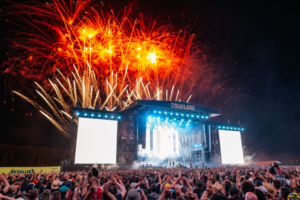
In June 2026, the campaign established a presence at Download Festival, one of the UK’s premier rock and metal events. This engagement was critical, as it brought the discussion directly to the audience segments most frequently exposed to high-decibel environments. By engaging fans and staff, Tinnitus UK began the process of normalizing the use of ear protection and awareness of sound exposure limits in high-volume settings.
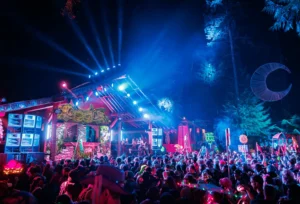
By mid-summer, the initiative moved toward rigorous implementation at ArcTanGent Festival. In partnership with the Manchester Centre for Audiology and Deafness (ManCAD), the festival adopted elements of the World Health Organization’s (WHO) Global Standard for Safe Listening. This trial included comprehensive sound level monitoring, the introduction of designated "quiet zones" for auditory recovery, and specialized training for sound engineers and security staff regarding noise management.
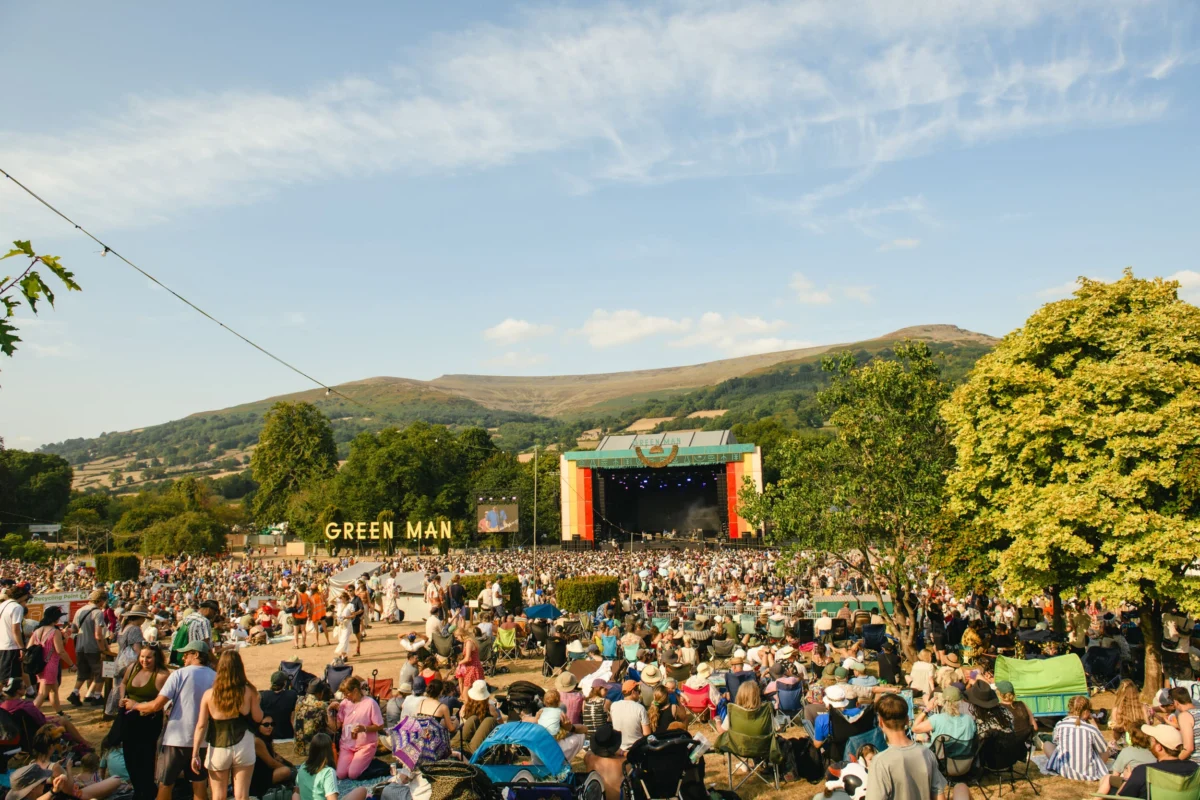
As the season progressed through August and September, the outreach expanded to Green Man Festival and the dual-site Reading & Leeds Festivals. At these locations, the focus shifted toward public education, utilizing regional media channels to distribute information on the risks of cumulative sound exposure.
Quantifying the Risk: Data and Auditory Health
The impetus for this industry-wide effort is grounded in stark statistical data. According to Tinnitus UK, approximately 92% of regular gig-goers report experiencing temporary tinnitus—often described as a ringing or buzzing sensation—following a live performance. Of even greater concern is the statistic that 40% of these individuals report persistent or long-term issues stemming from repeated exposure.
The physiological mechanism behind this is well-documented: high-intensity sound waves cause damage to the hair cells in the cochlea, which are responsible for transmitting sound signals to the brain. Once these cells are damaged or lost, they do not regenerate, leading to permanent hearing loss or the development of chronic tinnitus. The "cumulative effect" mentioned by specialists at Reading & Leeds is particularly relevant for festival attendees who spend multiple consecutive days in front of loud speakers. Without sufficient recovery time, the ear remains in a state of constant physiological stress, significantly increasing the probability of long-term impairment.
The Role of Technology and Professional Standards
The technological response to these challenges is multifaceted. Modern high-fidelity earplugs have become a centerpiece of the campaign. Unlike traditional foam plugs that often muffle sound and distort the frequency spectrum, modern filtered plugs are designed to attenuate volume across all frequencies uniformly. This allows the listener to experience the "detail and balance" of the music while maintaining a safe decibel level.
Furthermore, the collaboration between ManCAD and festival organizers has brought attention to sound system design. By utilizing directional speakers and improved acoustic modeling, organizers can direct sound toward the audience more efficiently while reducing the "spill" that leads to excessive volume in non-performance areas. This technical approach, combined with the implementation of the WHO standards, represents a transition toward a more scientific management of live sound.
Stakeholder Perspectives: Artists, Fans, and Organizers
The movement has garnered support from across the industry, with festival organizers recognizing that the longevity of their events depends on the health of their audience. Shambala Festival, for instance, has long prioritized community well-being and has embraced the Tinnitus UK message as a core component of its operational ethos.
The perspective of the audience is perhaps the most telling indicator of shifting attitudes. Testimonies from long-term concertgoers reveal a growing awareness of the trade-off between volume and longevity. One attendee noted that, by adopting protective measures, they have managed to mitigate their chronic tinnitus symptoms, allowing them to continue their career as a musician with higher auditory precision.
The industry’s position is summarized by the sentiment that "looking after your ears shouldn’t mean missing out on the music you love." Artists, too, are increasingly viewing hearing protection as a professional necessity, akin to an athlete protecting their joints. There is a developing consensus that the "front row experience" does not need to be compromised, provided that the audience is equipped with the knowledge and tools to manage their own exposure.
Broader Implications and Future Outlook
The efforts observed throughout 2026 signal a broader trend of corporate and social responsibility within the live music sector. By moving away from the "no pain, no gain" culture of loud music, the industry is positioning itself to be more inclusive and sustainable.
The implications for public health are significant. If the festival industry can successfully implement voluntary standards for sound management, it could serve as a model for other sectors, including hospitality, nightlife, and cinema. Furthermore, the collaboration between academic institutions like ManCAD and commercial entities demonstrates the effectiveness of evidence-based policy in public spaces.
As the industry looks toward the 2027 season, the objective remains clear: to transition from a campaign-based model to an embedded industry standard. This involves ongoing research into the long-term efficacy of sound-monitoring systems and the continued normalization of hearing protection among younger demographics.
The success of these initiatives relies on the continued cooperation of all stakeholders. By fostering an environment where awareness is prioritized alongside artistic expression, the UK live music scene is taking a necessary step toward ensuring that the next generation of fans, artists, and technicians can continue to engage with live music without sacrificing their sensory health. The movement is no longer just about raising awareness; it is about building an infrastructure that supports the physical well-being of the entire music community. Through persistent, data-driven advocacy, the industry is proving that the future of live music is not just loud—it is also sustainable.