Defining the Condition: Microtia and Atresia
Microtia is a congenital deformity characterized by the incomplete development of the outer ear (the pinna), while atresia refers to the absence or narrowing of the external auditory canal. These conditions often co-occur, though they can present independently. The severity of microtia is categorized into four grades, ranging from minor structural abnormalities to complete absence of the ear (anotia).
When these conditions manifest, they frequently result in conductive hearing loss. In cases where the condition affects only one side—unilateral microtia atresia—the child typically retains normal hearing in the unaffected ear. Historically, medical and educational professionals often categorized these children as having "sufficient" hearing, leading to a minimization of the potential developmental impacts. However, modern audiologists and educators now recognize that even single-sided deafness (SSD) presents unique neurological and cognitive challenges that necessitate early and consistent support.
The Developmental Implications of Unilateral Hearing Loss
While a child with unilateral hearing loss may appear to function well in quiet, one-on-one environments, the reality of daily life—particularly in academic settings—is significantly more complex. Research indicates that children with UHL face substantial hurdles in auditory localization, the ability to discern the direction of a sound, and speech perception in noisy environments.
In a typical classroom setting, where ambient noise levels are high, the brain must work significantly harder to isolate a teacher’s voice from background chatter. For a student with UHL, this requires a greater allocation of cognitive resources, leading to a phenomenon known as "listening fatigue." Over time, if left unaddressed, this fatigue can manifest as decreased academic engagement, increased frustration, and challenges in social-emotional development. Studies have shown that children with unilateral loss are at a higher risk for language delays and academic underperformance compared to their peers with bilateral typical hearing.
Chronology of Care: A Case Study in Early Intervention
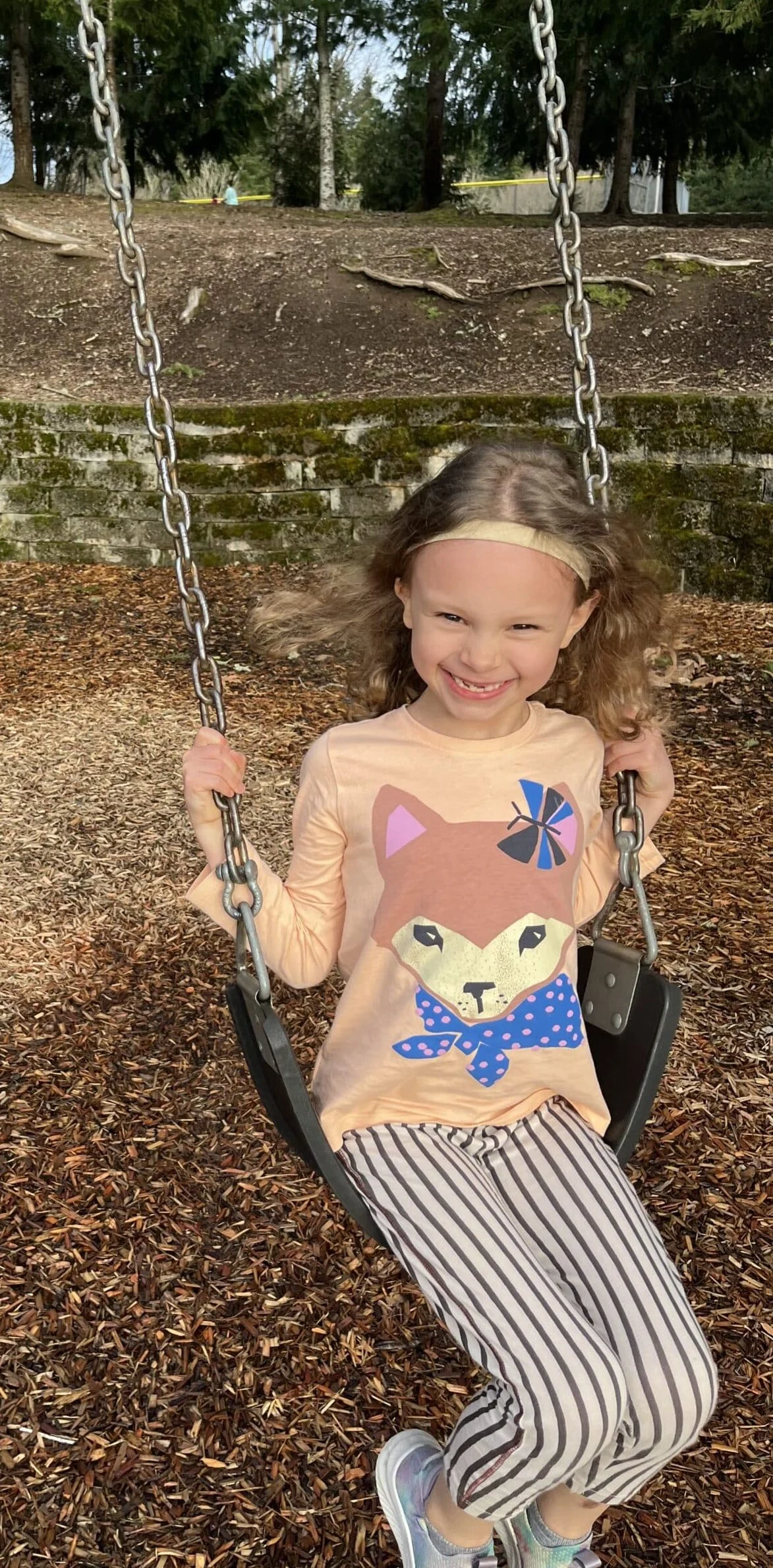
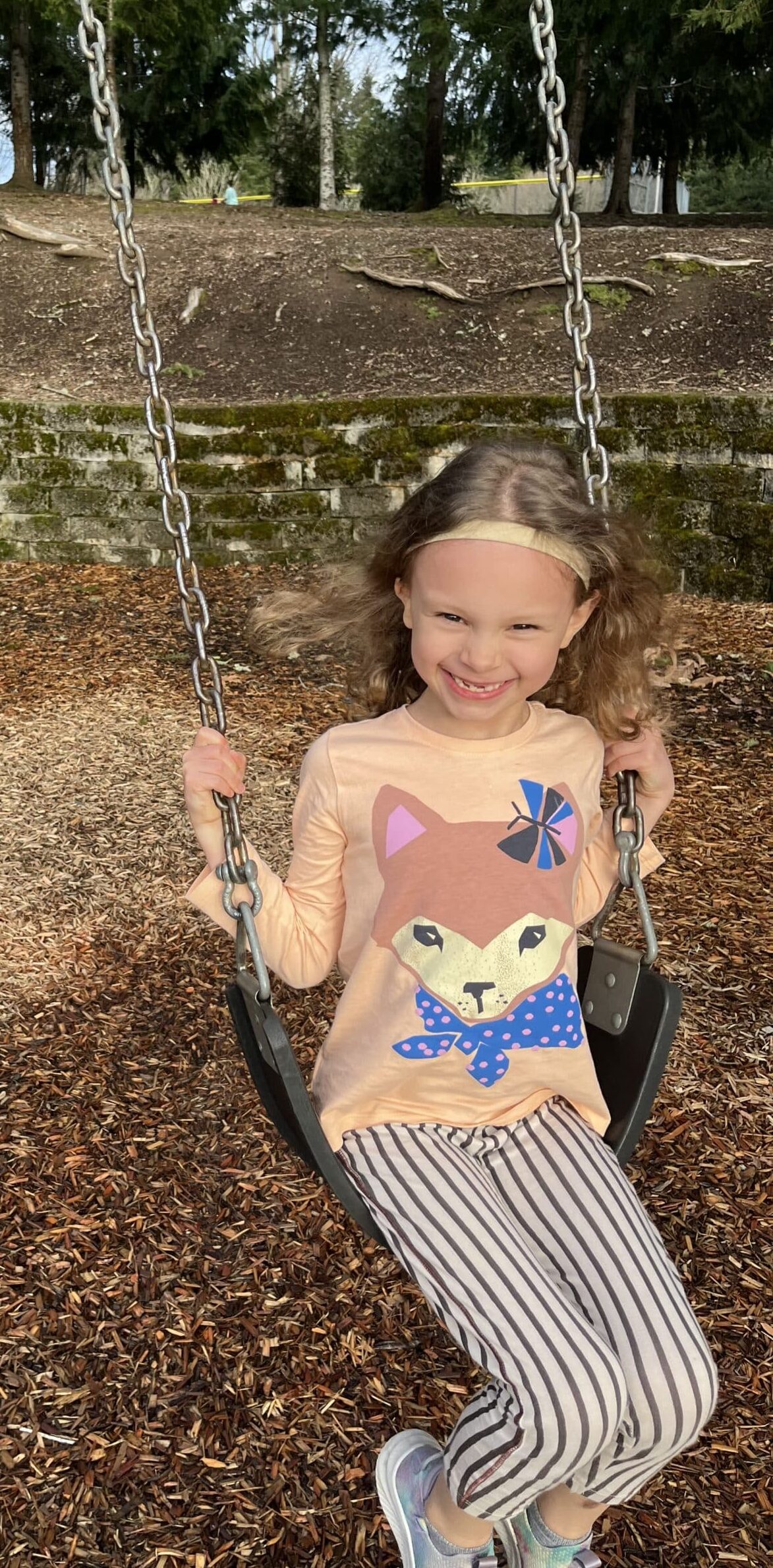
The journey of young Adeline, a student who has received support from the specialized organization Listen and Talk, serves as a poignant case study for the efficacy of early intervention. Adeline’s diagnosis occurred when she was five weeks old, revealing moderate to severe conductive hearing loss in her right ear. Later clinical imaging confirmed that her condition was exacerbated by atresia, where solid bone blocked the ear canal, rendering traditional sound conduction impossible.
For Adeline’s family, the initial diagnosis was overwhelming. Her mother, Jessie, recalls the immense difficulty of navigating a healthcare system that often lacks a standardized roadmap for families dealing with rare congenital ear conditions. The intervention provided by Listen and Talk was pivotal during these early formative years. The organization utilized a structured LSL approach, which focuses on training the brain to interpret auditory input and utilizing assistive technology, such as bone-conduction hearing devices, to bridge the sensory gap.
The transition from early diagnosis to school-age success was not immediate. In the beginning, Adeline struggled with sound localization and exhibited a reluctance to communicate outside of her immediate, controlled environment. The intervention program, however, focused on building her capacity for self-advocacy. By the time she entered the public school system, she was equipped not only with the necessary hearing technology but also with the social confidence to explain her condition to peers and teachers. Today, as a thriving first-grade student who participates in extracurricular activities like choir, Adeline represents the potential for success when clinical, educational, and parental support are aligned.
The Role of Listening and Spoken Language (LSL) Education
Listening and Spoken Language (LSL) is a methodology that leverages the brain’s neuroplasticity to develop communication skills in children who are deaf or hard of hearing. Unlike approaches that may rely primarily on visual communication, LSL emphasizes the use of residual hearing, often supplemented by modern hearing technology, to develop spoken language skills.
For children with microtia atresia, LSL programs are designed to optimize the listening environment. This involves:
- Auditory Training: Exercises designed to improve the child’s ability to detect, discriminate, and identify sounds.
- Environmental Management: Implementing classroom accommodations, such as sound-field systems or preferential seating, to minimize the impact of ambient noise.
- Parental Coaching: Empowering caregivers to become the primary facilitators of language development, ensuring that the "listening" focus extends beyond the clinic and into the home.
The economic and social implications of this intervention are profound. By investing in LSL education during the "critical period" of brain development—typically from birth to age three—families can significantly mitigate the long-term educational costs associated with learning delays and behavioral intervention.
Broader Impacts and Advocacy
The advocacy efforts led by organizations like the Ear Community and regional support groups like Washington Hands and Voices play a crucial role in shaping public policy and insurance coverage for hearing technology. The cost of bone-conduction devices and ongoing speech therapy can be prohibitive, making advocacy for insurance parity a central pillar of the movement.
Furthermore, the shift in public perception—from viewing microtia atresia as a cosmetic issue to recognizing it as a functional and developmental challenge—has spurred greater inclusion in schools. Teachers are increasingly being trained to recognize the symptoms of listening fatigue, allowing for more proactive support. When educators, audiologists, and parents form a collaborative team, the academic prognosis for children with UHL improves dramatically.
Next Steps for Families and Stakeholders
For families currently navigating a new diagnosis, experts emphasize that the path forward is one of informed decision-making. Key steps include:
- Connecting with a specialized audiologist who understands the nuances of conductive hearing loss.
- Engaging with LSL-certified specialists to develop an individualized family service plan (IFSP).
- Utilizing community support networks to share resources and provide emotional support for both the child and parents.
As the scientific community continues to study the long-term outcomes of early intervention for microtia and atresia, the data remains clear: the earlier the intervention, the more robust the language and social development of the child. Programs like those at Listen and Talk function as a social impact enterprise, ensuring that families, regardless of their background, can access the expertise required to navigate the complexities of hearing loss.
The mission of ensuring that "no child is limited by hearing loss" remains a primary objective for practitioners in this field. By supporting these programs through donations, advocacy, and increased public awareness, the community ensures that children like Adeline have the tools necessary to advocate for themselves and thrive in a world that is becoming increasingly aware of the diverse ways in which people hear, communicate, and connect.
In summary, National Microtia Atresia Awareness Day is more than a calendar event; it is a vital reminder of the progress made in audiology and education, and the ongoing work required to provide every child with the opportunity to achieve their full potential. Through the combination of clinical technology, expert educational guidance, and parental advocacy, the challenges associated with microtia and atresia can be successfully navigated, paving the way for a future where hearing loss does not dictate the trajectory of a child’s life.