Understanding Auditory Neuropathy Spectrum Disorder
Auditory Neuropathy Spectrum Disorder is a complex hearing condition where the ear can detect sound, but the brain struggles to interpret it correctly. Unlike traditional sensorineural hearing loss, where hair cells in the cochlea are damaged, ANSD typically involves issues with the auditory nerve’s ability to transmit electrical signals to the brain. According to the National Institute on Deafness and Other Communication Disorders (NIDCD), symptoms can range from mild to severe, often fluctuating in intensity.
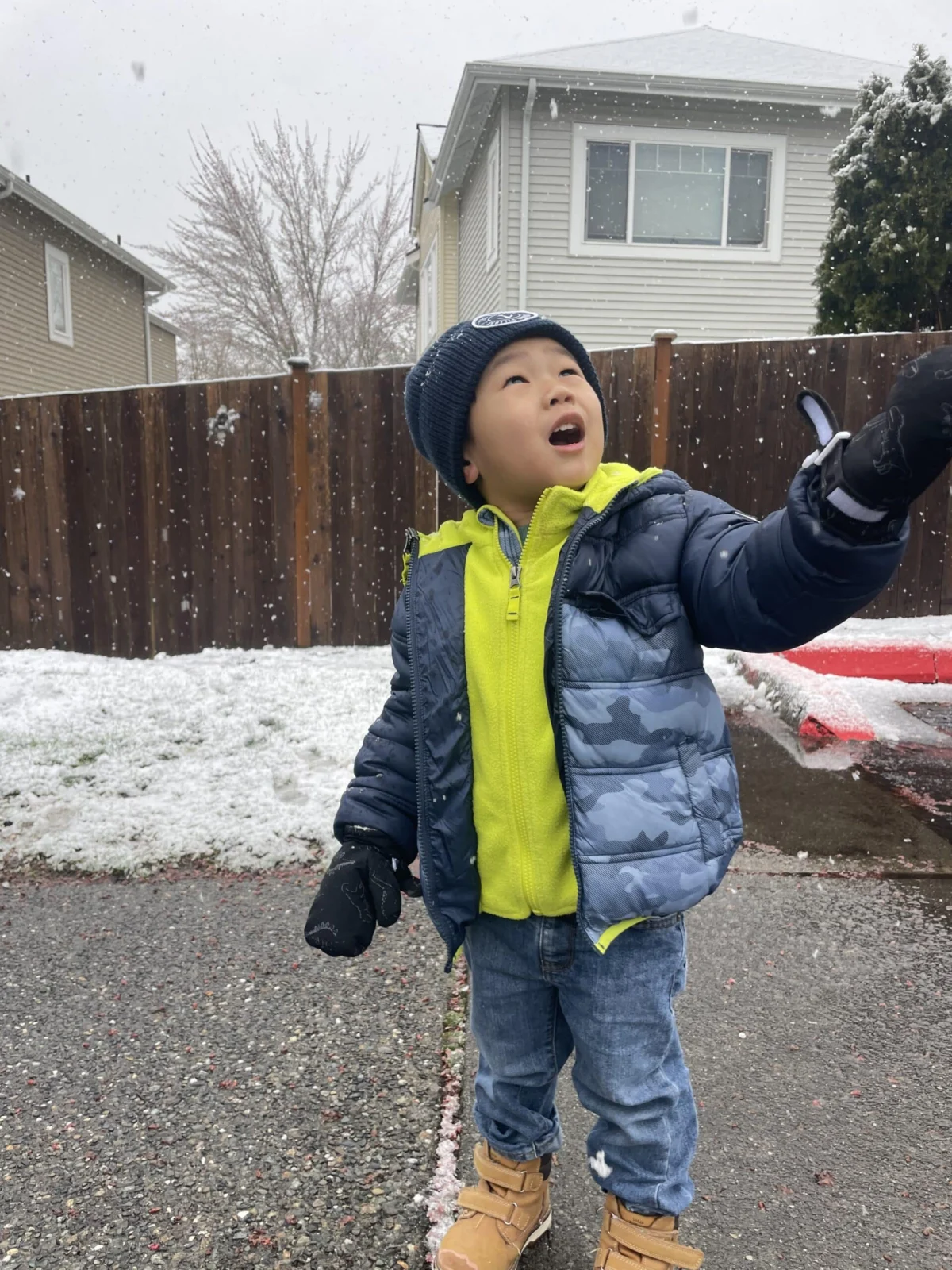
For Raiden, the diagnosis meant navigating moderate to severe hearing loss across specific sound pitches, which directly contributed to early delays in his speech and communication skills. Addressing such a condition requires more than just clinical medical care; it necessitates a comprehensive approach that integrates speech therapy, consistent audiological monitoring, and the use of assistive technology, such as hearing aids, to provide the brain with the necessary auditory input to build language pathways.
The Chronology of Early Intervention
The first months of a child’s life are considered a critical window for neuroplasticity—the brain’s ability to reorganize itself by forming new neural connections. Early intervention services are designed to capitalize on this period. In Raiden’s case, the transition to the Listen & Talk Blended Classroom program this past fall marked a pivotal shift in his developmental progress.
Prior to enrollment, the family faced the logistical hurdle of a nearly one-hour commute, a common challenge for families seeking specialized pediatric audiological care. However, the decision was driven by the facility’s unique infrastructure. Unlike traditional preschool environments, the Listen & Talk campus offers on-site audiology booths, specialized amplification technologies integrated into classroom settings, and a curriculum specifically designed to teach children how to advocate for their own hearing needs.
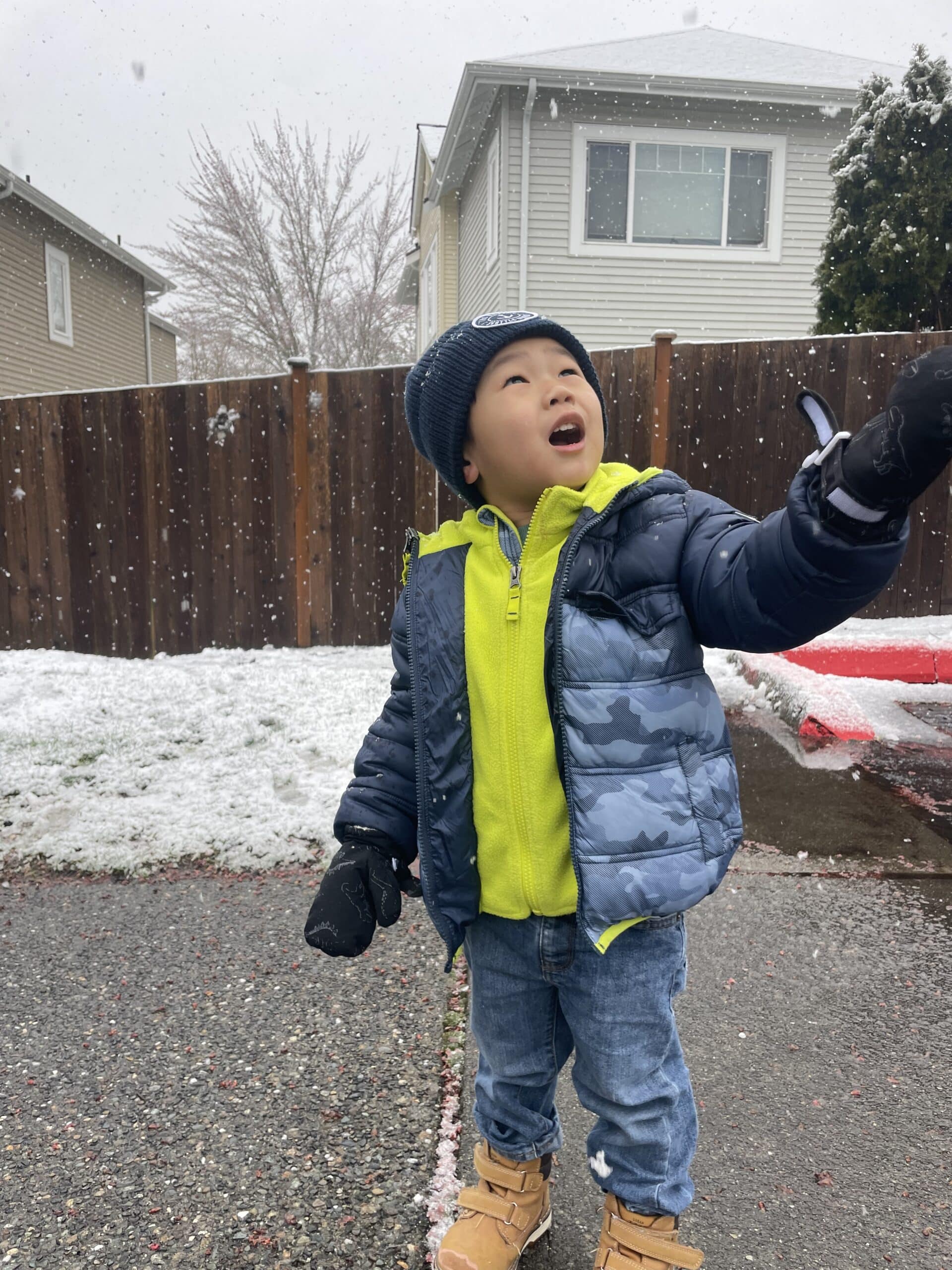
Within only a few months of attendance, the results were measurable. Parents observed a marked increase in Raiden’s willingness to utilize his hearing aid, a process often met with resistance due to sensory sensitivity. By applying structured techniques to reduce ear defensiveness and habituate the child to the device, the program allowed Raiden to sustain consistent auditory input. Consequently, his linguistic capabilities expanded rapidly, moving from single-word utterances to complex three-to-four-word phrases, demonstrating the effectiveness of high-intensity, specialized early childhood education.
The Blended Classroom Model: A Socio-Educational Approach
The Blended Classroom model represents a shift from segregated special education toward an inclusive, integrated environment. In this setting, children with hearing loss learn alongside their typically hearing peers. This model provides an "auditory-rich" environment that simulates the complexities of real-world communication.
By engaging with peers who have varying levels of hearing, children with hearing loss are constantly challenged to refine their listening and speech skills. Furthermore, the program emphasizes the development of "advocacy skills." Because these children will eventually transition to mainstream elementary schools, the curriculum focuses on teaching them how to communicate their needs to teachers, coaches, and peers. This training ensures that as these children age, they can effectively manage their technology and request necessary accommodations, such as preferential seating or the use of FM systems, which are critical for academic success.
Data and Implications for Hearing Loss Advocacy
The implications of early intervention are supported by significant data. According to the Early Hearing Detection and Intervention (EHDI) program, children with hearing loss who receive intervention before six months of age demonstrate significantly better language development than those identified later. By providing specialized speech therapy in the same building where they receive classroom instruction, programs like the one utilized by the Yamamoto family minimize the fragmentation of the child’s day, allowing for more time spent on active learning.
However, the availability of these resources remains a point of concern for public health advocates. Funding for high-quality, early-intervention programs often relies on a combination of public grants, insurance coverage, and philanthropic support. As the demand for comprehensive audiological services grows, the role of social impact enterprises—which combine charitable funding with professional education services—becomes increasingly vital to bridging the gap between diagnosis and accessible treatment.
Broader Impact and Future Directions
The success seen in cases like Raiden’s underscores a broader vision in the field of audiology and pediatric education: that a diagnosis of hearing loss should not limit a child’s future potential. The "no child is limited by hearing loss" philosophy is a central tenet for organizations like Listen & Talk, which advocate for systemic changes in how hearing loss is addressed in educational settings.
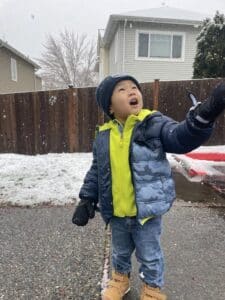
The integration of parent education classes is another critical component of this success. By training parents to facilitate language development at home, the program extends its reach beyond the classroom walls, creating a 24-hour cycle of support. This holistic approach helps reduce the emotional and financial strain on families who are often navigating the diagnostic process with little guidance.
Furthermore, as technology continues to evolve, the integration of increasingly sophisticated amplification devices and classroom audio systems will likely further narrow the achievement gap between hearing and deaf or hard-of-hearing students. The focus remains on the "advocacy-first" model, which empowers children to view their hearing loss not as a deficit, but as a condition that can be managed through effective communication and the utilization of available technology.
Conclusion: Sustaining the Support Network
As families like the Yamamotos continue to share their experiences, the public understanding of auditory disorders continues to shift. The evidence provided by the rapid progress of students within the Blended Classroom program serves as a strong argument for the continued funding and expansion of such specialized environments.
For the broader community, supporting these initiatives involves recognizing the importance of early diagnosis and the lifelong benefits of specialized intervention. Whether through charitable donations that provide for audiology equipment, or by advocating for more inclusive educational policies at the district level, the collective effort is essential in ensuring that the next generation of children with hearing loss has the tools they need to succeed. The journey of a child like Raiden is not just a personal story of growth, but a clear illustration of how targeted, evidence-based intervention can fundamentally reshape a child’s development, ensuring they are prepared for the challenges and opportunities of the future.