
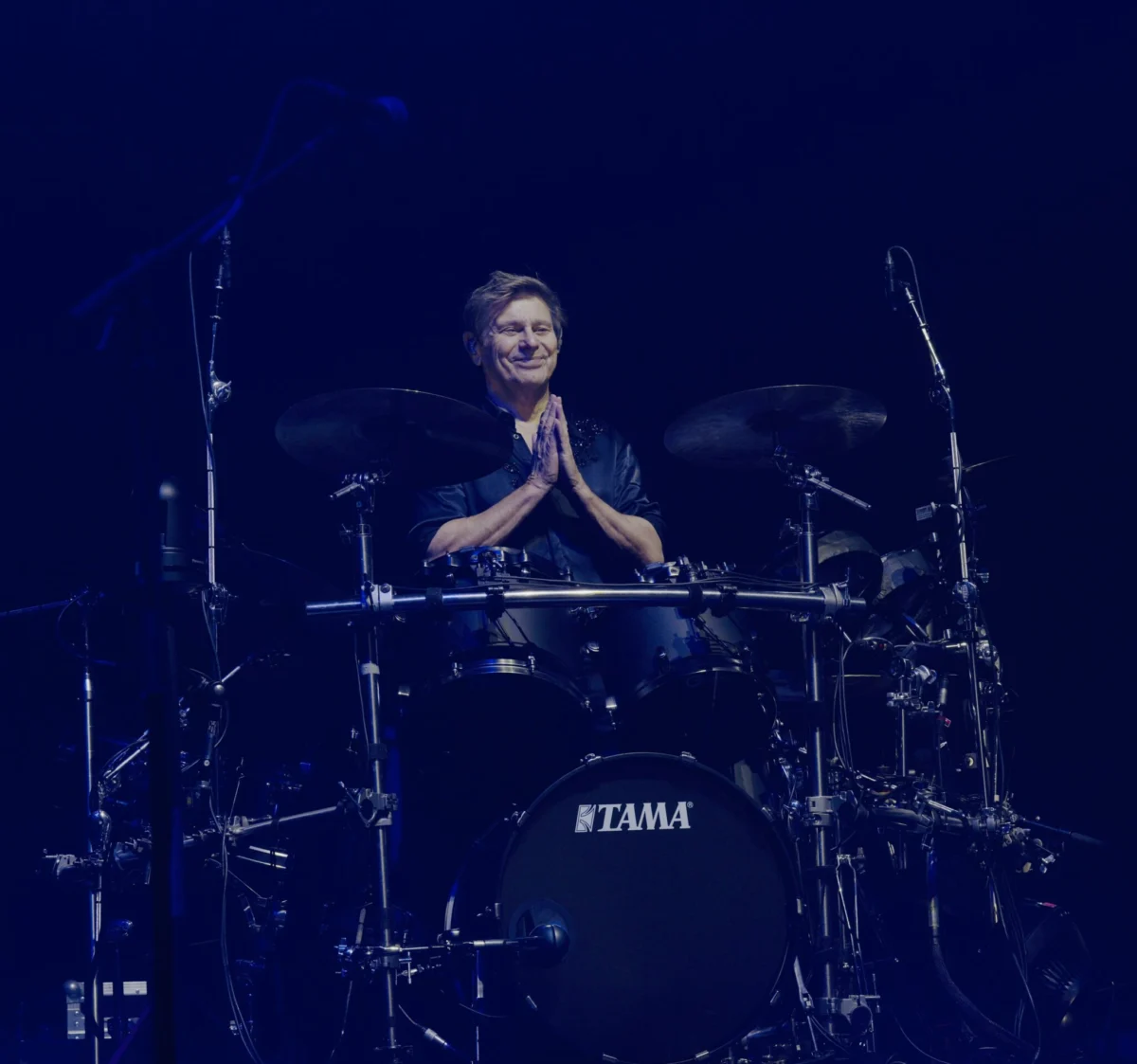
A Career Defined by Rhythm and Global Stardom
Roger Taylor, often referred to by fans and industry insiders as "The Silent One" during the band’s meteoric rise in the 1980s, has been the rhythmic heartbeat of Duran Duran since their formation in Birmingham, England, in 1978. His steady, driving percussion was a fundamental component of the band’s signature sound, contributing to international chart-topping hits such as "Rio," "Hungry Like the Wolf," and the James Bond theme "A View to a Kill."
Over a career spanning more than four decades, Taylor performed for millions of fans across six continents, helping to define the sound of the MTV generation. His departure is not merely a personnel change but a profound moment for the band’s identity. The physical toll of such a rigorous touring schedule, which often involved playing in front of massive stadium crowds with high-output audio systems, has finally reached a threshold where continuing to perform would pose a significant risk to his long-term auditory health.
Understanding the Clinical Reality of Tinnitus
Tinnitus is not a disease in itself but rather a symptom of an underlying condition, such as age-related hearing loss, ear injury, or a circulatory system disorder. For musicians, the condition is often the result of "noise-induced hearing loss" (NIHL). According to data from the World Health Organization (WHO), over 1.1 billion young people globally are at risk of hearing loss due to exposure to loud music in entertainment venues.
The mechanism behind Taylor’s condition involves damage to the hair cells in the cochlea—the spiral-shaped cavity of the inner ear. When these microscopic structures are damaged by excessive sound waves, they can no longer send signals to the brain in the same way, often resulting in the brain "filling in the gaps" by generating phantom sounds. For a drummer, who is positioned in front of a snare drum and cymbals that can produce peaks of 120 decibels or more, the risk is exponentially higher than for other instrumentalists.
Chronology of a Decades-Long Career
The timeline of Roger Taylor’s career is inextricably linked to the history of British pop.
- 1978: Roger Taylor joins Simon Le Bon, Nick Rhodes, John Taylor, and Andy Taylor to form the definitive lineup of Duran Duran in Birmingham.
- 1981–1985: The band achieves global dominance. During this peak era, the group engaged in near-constant international touring, performing in acoustic environments that were rarely regulated by modern safety standards.
- 1986: Following the grueling schedule of the "Notorious" era, Taylor initially stepped back from the music industry, citing the exhaustion of the touring lifestyle—an early indicator of the physical toll the profession exacts.
- 2001: Taylor rejoins the band for their highly publicized reunion, embarking on a second act that would last over two decades.
- 2021–2024: The band continues to tour extensively, including high-profile appearances at the Platinum Jubilee concert at Buckingham Palace and major international festivals.
- 2024: Following a series of worsening symptoms and medical consultations, Taylor formally announces his retirement, citing the necessity of preserving his remaining hearing.
Industry Implications and the "Silent Crisis"
The retirement of a musician of Taylor’s stature brings into focus a growing crisis within the music industry. While high-end touring production has become more sophisticated, the volume at which music is performed remains a significant hazard. Professional organizations and health bodies, such as Tinnitus UK, have been lobbying for better hearing protection standards for those working in the live events sector.
Industry analysts suggest that Taylor’s retirement may serve as a catalyst for a broader cultural shift. In recent years, artists such as Brian Johnson of AC/DC and Phil Collins have faced similar career-ending or career-altering challenges related to their physical health. The narrative is shifting from "suffering for the art" to a more sustainable model of performance. Modern touring professionals are increasingly utilizing high-fidelity in-ear monitors (IEMs), which allow musicians to hear a mix of their performance at a controlled, lower volume, effectively acting as high-grade earplugs.
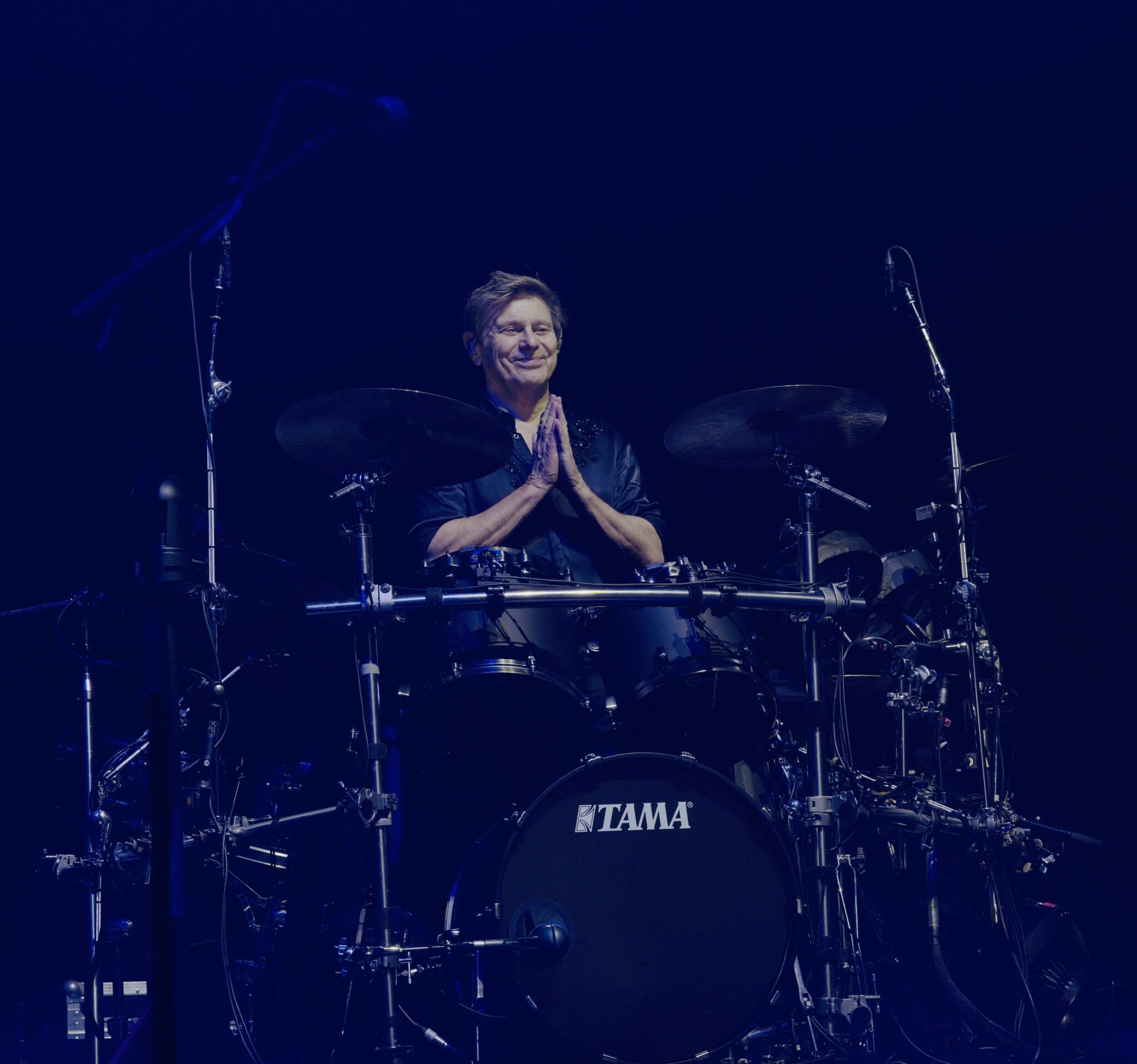
Response from Tinnitus UK and the Medical Community
In the wake of the announcement, advocacy groups have moved to provide resources for those who might feel discouraged by Taylor’s news. Tinnitus UK has emphasized that while the condition can be debilitating, it does not have to result in isolation.
"We are sorry to hear that Roger Taylor is stepping down," a spokesperson for Tinnitus UK stated. "His decision to prioritize his long-term health is a brave and necessary one. Musicians are often hesitant to disclose hearing issues for fear of losing their livelihoods, but the reality is that ignoring these symptoms often leads to permanent, irreversible damage. Our goal is to provide a space where artists can share their experiences without stigma."
The organization offers a dedicated support group specifically for those in the music industry. These groups focus on "tinnitus retraining therapy" (TRT) and counseling, which help musicians manage the psychological impact of the condition, including the anxiety and sleep disturbances that frequently accompany persistent ringing.
Broader Impact on the Band and Fans
For Duran Duran, the loss of Taylor is a logistical and emotional hurdle. The band has not yet announced a successor, and speculation regarding their future touring capabilities remains high. Given the band’s legacy, any replacement would need to possess not only technical proficiency but also an understanding of the specific, syncopated style that defines the "Duran Duran sound."
The impact on the fanbase has been one of collective reflection. On social media and fan forums, followers have expressed gratitude for Taylor’s decades of contributions, noting that his rhythmic precision provided the foundation for some of the most memorable pop music of the 20th century. For many, his retirement serves as a poignant reminder that even the most enduring legends are subject to the limitations of human biology.
Looking Ahead: The Future of Auditory Health in Music
As the industry moves forward, the "Roger Taylor precedent" may encourage younger musicians to take preventative measures much earlier in their careers. The integration of audiology screenings as a standard part of tour preparation is becoming more common among major label artists. Furthermore, the push for sound-level regulations at major venues—though difficult to enforce—is gaining traction as a public health issue rather than just a workplace safety concern.
The story of Roger Taylor is, ultimately, one of legacy and self-preservation. By choosing to exit the stage now, he is ensuring that he can maintain a quality of life that might otherwise have been compromised. His departure is a stark reminder to all musicians, from bedroom producers to stadium rock stars, that the gift of hearing is the most vital instrument they possess. As the music world bids farewell to his tenure as the drummer of Duran Duran, the conversation surrounding his retirement will likely continue to influence how the industry values, protects, and sustains its most essential assets: the artists themselves.
For those currently experiencing similar symptoms, the guidance remains clear: early intervention, professional audiological assessment, and the utilization of specialized support networks are the keys to managing the impact of tinnitus. The music, as Taylor has proven, can remain a part of one’s life even when the active performance phase must come to a close.