A Strategic Search Process
The search for a new CEO was initiated following the conclusion of the previous administration’s tenure, with the NAD Board of Directors establishing a formal search committee tasked with identifying a leader capable of balancing internal organizational health with robust external advocacy. The process, which spanned several months, involved a multi-stage evaluation of candidates based on their experience in nonprofit management, their fluency in American Sign Language (ASL), and their history of work within the deaf community.
The selection of Cline and Kiego follows an extensive vetting process that included preliminary interviews, background assessments, and a rigorous review of each candidate’s strategic philosophy regarding the NAD’s mission. The NAD has long functioned as the watchdog of federal policy regarding deaf rights; thus, the incoming CEO will be expected to maintain the organization’s influential standing in Washington, D.C., while navigating the challenges posed by emerging technologies and shifting demographic needs within the deaf population.
Profiles of the Finalists
Michelle Cline enters the final round with a reputation for systemic operational reform and community-centered advocacy. Her background suggests a focus on strengthening the internal infrastructure of large-scale advocacy organizations. During the virtual town hall, her presentation emphasized the necessity of bridging the gap between grassroots activism and legislative policy, ensuring that the diverse needs of the deaf community—ranging from linguistic rights in education to the integration of artificial intelligence in captioning—are met with informed, data-driven strategies.
Nicholas Kiego offers a different strategic orientation, characterized by a focus on organizational sustainability and cross-sector partnerships. Kiego’s vision, as articulated during the forum, highlights the importance of leveraging the NAD’s institutional history to build new coalitions in the corporate and academic sectors. His approach suggests an emphasis on increasing the visibility of the deaf experience in the broader American labor market, particularly as remote work and virtual collaboration tools become ubiquitous.
The Virtual Town Hall: A Platform for Engagement
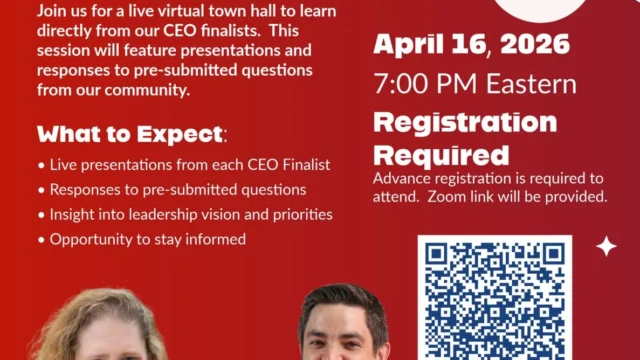
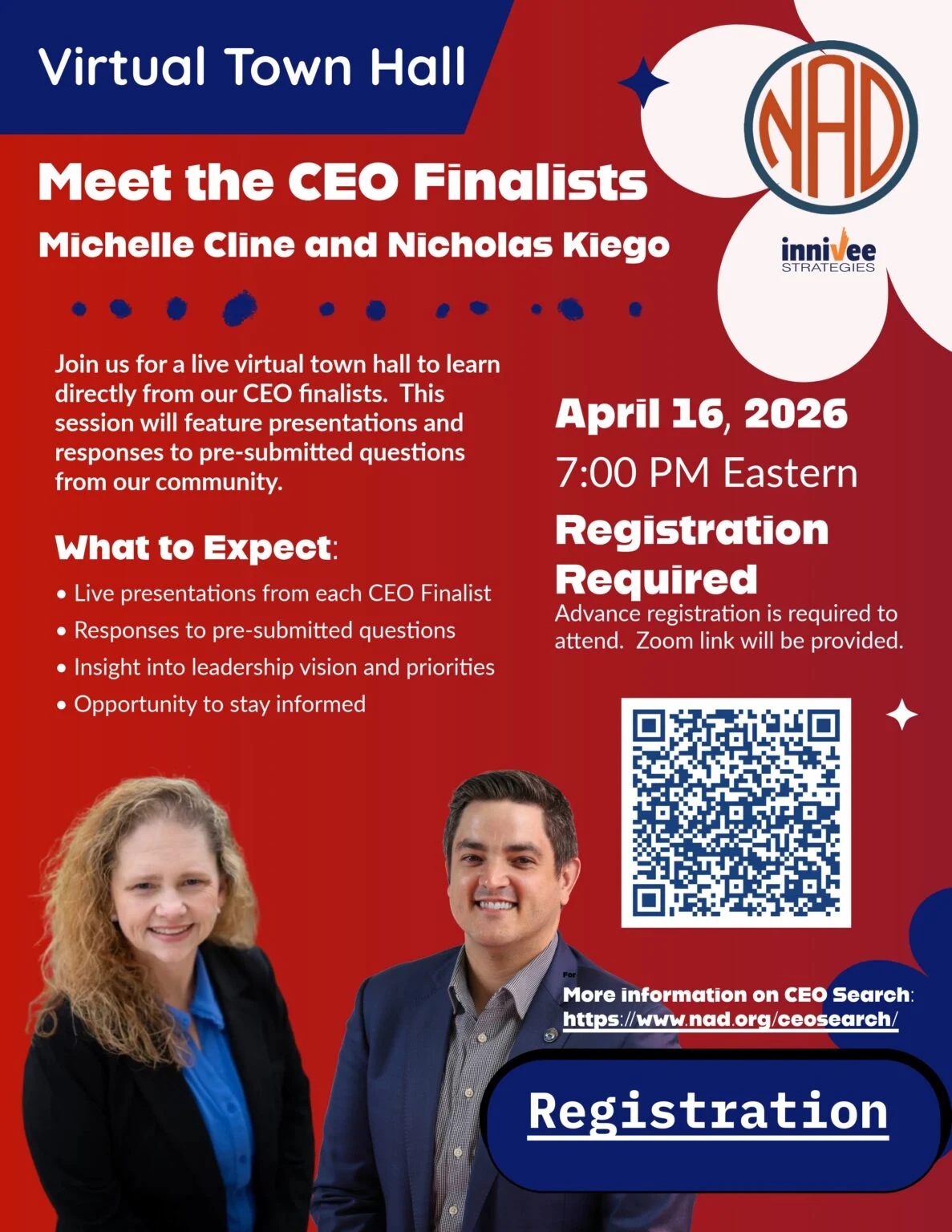
The April 16 virtual town hall served as the primary venue for these candidates to address the community directly. By opting for a virtual format, the NAD ensured that members from across the country could participate in the dialogue, reflecting the organization’s commitment to accessibility and inclusivity.
The session was structured to cover several key areas:
- Visionary Leadership: Each candidate was invited to present their primary objectives for the first 100 days in office.
- Addressing Community Priorities: The candidates responded to a series of pre-submitted questions curated by the NAD board, which touched upon topics such as the protection of ASL in early childhood education, the implementation of the Americans with Disabilities Act (ADA) in digital spaces, and the preservation of deaf culture in an era of rapid technological change.
- Governance and Ethics: The forum provided a window into how each candidate plans to navigate the complex internal dynamics of a national organization, including the management of state associations and affiliate groups.
Contextualizing the Challenges Ahead
The incoming CEO will inherit an organization operating in a high-stakes environment. Data from the NAD’s previous legislative reports indicate that the primary areas of concern remain unchanged but have grown in complexity. These include the enforcement of the Communications and Video Programming Accessibility Act, the advocacy for qualified interpreters in healthcare settings, and the ongoing struggle for high-quality, language-rich educational environments for deaf children.
Furthermore, the NAD has faced mounting pressure to address the digital divide. As artificial intelligence and machine-learning-based captioning systems become more common, the accuracy and reliability of these tools remain a point of contention. The new CEO will need to balance the push for technological innovation with the demand for human-centered, high-quality accessibility standards. The selection process reflects a deliberate effort by the board to find a candidate who possesses both the technical aptitude to negotiate these issues and the diplomatic skill to unify a community that is increasingly diverse in its linguistic and cultural identities.
Historical Chronology of the Search
The timeline leading to the announcement of the finalists began in late 2025, when the NAD Board of Directors formally announced the vacancy and the initiation of a national search. By January 2026, the search committee had screened dozens of applicants, eventually narrowing the field to a semi-finalist group by early February. The interview process intensified throughout March 2026, leading to the identification of the final two candidates in early April.
The publication of the finalists’ names on April 10, 2026, was followed by the April 16 town hall, a strategic move designed to allow members of the NAD to submit feedback to the board before a final decision is rendered. This collaborative approach is emblematic of the NAD’s governance model, which prioritizes member representation and public accountability.
Broader Implications for the Deaf Community
The appointment of a new CEO is not merely an administrative shift; it is a signal of the organization’s future direction. For the deaf community, the NAD acts as the primary representative in national discourse. Consequently, the choice between Cline and Kiego will likely dictate the organization’s stance on various public policy issues over the next decade.
If the organization moves toward a more aggressive legislative strategy, it may see an increase in litigation and federal lobbying efforts. If, conversely, the organization emphasizes community development and grassroots coalition building, the focus may shift toward regional advocacy and educational outreach. Analysts note that the current political climate—marked by an increased focus on intersectional disability rights—requires a leader who can effectively communicate the specific needs of the deaf community while building alliances with other disability advocacy groups.
Community Reactions and Feedback
While the official selection process remains strictly governed by the NAD Board, the informal response from the community has been one of high engagement. Forums, social media threads, and direct correspondence with the board have seen an uptick in activity as members weigh the respective strengths of the two candidates. Many community stakeholders have emphasized the need for a leader who is not only a visionary but also a consensus-builder capable of navigating the internal tensions that often accompany large-scale organizational transitions.
The board has indicated that all feedback provided by the community following the town hall will be synthesized and integrated into the final evaluation phase. This ensures that the appointment of the new CEO is not only a result of executive review but also an reflection of the collective will of the membership.
Future Steps
Following the conclusion of the town hall and the final assessment of the candidates, the NAD Board of Directors is expected to finalize their decision in the coming weeks. The transition period, which will include a formal handover from the outgoing leadership, is projected to be completed by the summer of 2026.
As the organization looks toward the future, the emphasis remains on the core principles that have sustained the NAD for over a century: the protection of linguistic rights, the promotion of equal access, and the empowerment of the deaf and hard-of-hearing community. Whether Michelle Cline or Nicholas Kiego ultimately assumes the role, the expectations remain clear: the new CEO must be prepared to lead with transparency, integrity, and an unwavering commitment to the community they serve.
For those interested in the ongoing developments of the search, the NAD continues to update its official portal at https://www.nad.org/ceosearch/, where transcripts, video recordings of the town hall, and further information regarding the search committee’s progress remain available for public review. The board encourages continued participation from members as they move toward this final, decisive chapter in the executive search.