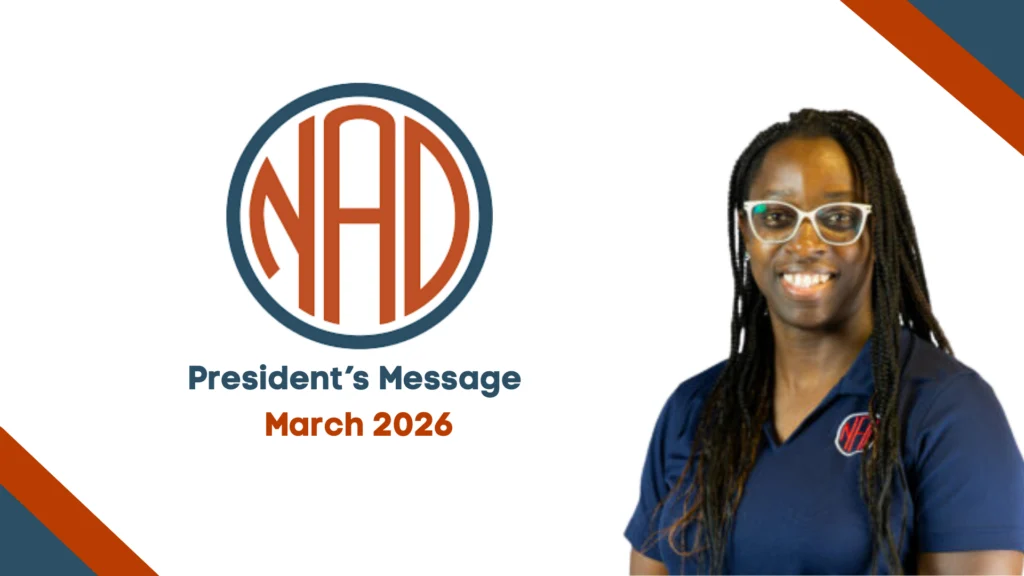
A Strategic Site Visit and Operational Oversight
Recent activity by the NAD Board of Directors has centered on the physical and logistical requirements of the San Francisco venue. During a recent site visit, leadership met with local stakeholders to ensure that the infrastructure meets the high accessibility standards required for such a large-scale event. The complexity of organizing a national conference for the Deaf community requires meticulous attention to communication access—specifically regarding American Sign Language (ASL) interpreting services, captioning technology, and physical space navigation.
Interim CEO Bobbie Beth Scoggins is currently spearheading the operational logistics. Scoggins, a veteran of organizational management, is tasked with synchronizing the efforts of various committees to ensure the conference provides an environment that is both welcoming and technologically integrated. The goal, according to official statements, is to create a seamless experience that allows for the robust exchange of ideas and the strengthening of national advocacy networks.
Collaborative Partnerships and Institutional Support
The success of the 2026 conference relies on a complex web of regional and national partnerships. The NAD is coordinating with RID (Registry of Interpreters for the Deaf) Region V and its affiliate chapters, ensuring that the pool of professional interpreters is sufficient for the scale of the gathering. Furthermore, the collaboration includes key entities such as Deaf in Government and the National Deaf Education Committee (NDEC).
Local California organizations are playing a critical role in the planning process. Agencies such as NorCal Services for the Deaf and Hard of Hearing, the Deaf Counseling Advocacy and Referral Agency (DCARA), and the Greater Los Angeles Agency on Deafness (GLAD) are providing localized insights and resources. These partnerships are essential to addressing the unique needs of the host city’s Deaf population while simultaneously leveraging the broad policy reach of the NAD. The inclusion of the City of San Francisco’s Office of Disability and Access underscores the importance of municipal cooperation in hosting a conference of this magnitude, ensuring compliance with local ordinances and enhancing the visitor experience.
Context and Historical Significance of NAD Conferences
The NAD Conference has historically served as the heartbeat of the organization, functioning as a space for electing national leadership, debating policy priorities, and setting the association’s agenda for the subsequent two years. Since its founding in 1880, the NAD has utilized these biennial gatherings to address systemic issues ranging from educational inequity to legislative threats against the Americans with Disabilities Act (ADA).
In an era of rapid technological advancement, the conference has evolved from a simple legislative gathering to a hub for innovation in assistive technology and digital accessibility. The 2026 event arrives at a time when the Deaf community faces shifting landscapes in digital communication, artificial intelligence in captioning, and the ongoing struggle for high-quality, inclusive education. By bringing together professionals, advocates, and community members, the NAD creates a multiplier effect that extends far beyond the conference week, shaping the discourse on disability rights for the following biennium.
Advancements in Digital Infrastructure
Parallel to the conference planning, the NAD is nearing the launch of a redesigned digital platform. The current iteration of the organization’s website, while functional, is slated for a complete overhaul to accommodate higher traffic volumes and more complex resource management. The new site is expected to offer improved searchability for advocacy updates, legal resources, and member-only benefits.
This digital transformation is part of a broader strategy to meet the expectations of a modern, tech-literate community. In the modern news cycle, where legislative shifts can occur overnight, the ability to rapidly disseminate information to the Deaf community is critical. The redesigned website will serve as a permanent repository for the outcomes of the 2026 conference, ensuring that policy directives are easily accessible to members across the country.
Addressing Systemic Challenges in the Deaf Community
While the tone surrounding the upcoming conference is one of optimism, the NAD Board of Directors remains focused on a host of persistent challenges. National data indicates that the Deaf and hard-of-hearing community continues to grapple with significant barriers to entry in both the workforce and the education system.
- Interpreter Shortages: The demand for certified ASL interpreters continues to outpace supply, particularly in rural regions and specialized settings such as medical and legal environments.
- Educational Inequities: Language deprivation remains a critical issue for Deaf children, with many failing to reach age-appropriate literacy levels due to systemic gaps in early intervention and classroom support.
- Policy Shifts: Legislative trends at both the state and federal levels frequently impact the funding and efficacy of disability rights agencies. The NAD is actively monitoring these shifts to ensure that the rights established under the ADA are not diluted.
The Board of Directors is working closely with state associations to formulate responses to these issues. By centralizing advocacy efforts, the NAD aims to provide local affiliates with the data and legal frameworks necessary to challenge discriminatory practices in their own jurisdictions.
Economic and Social Impact
The economic impact of the 2026 NAD Conference on the city of San Francisco is expected to be significant. Large-scale conventions generally contribute to the local hospitality and service sectors, but the NAD conference carries an additional social value. By highlighting the needs of the Deaf community in a major urban center, the organization creates a baseline for accessibility that can influence future city planning and public policy.
Furthermore, the conference acts as an incubator for future leadership. Many of the individuals who attend these gatherings go on to lead state-level advocacy groups or take positions within government agencies. The networking opportunities provided in San Francisco will likely result in the formation of new alliances and the birth of grassroots campaigns that will define the national agenda in the latter half of the decade.
Looking Toward the Future
As the date for the 2026 conference approaches, the NAD has encouraged members to remain engaged through the official portal at www.nad.org/sf26. The association has promised a transparent timeline for registration, call-for-papers, and volunteer opportunities.
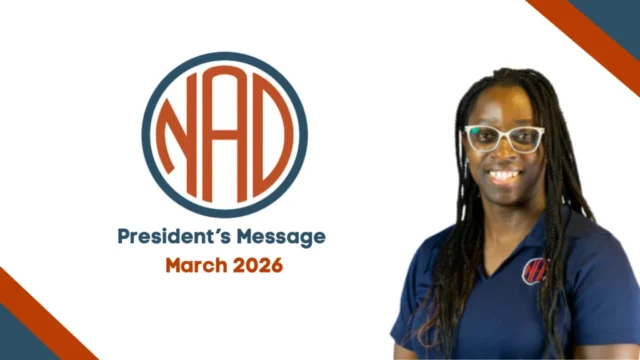
The upcoming conference is positioned not merely as a gathering, but as a critical checkpoint for the American Deaf movement. With the leadership of President Stephanie, the operational experience of Bobbie Beth Scoggins, and the support of a vast network of local and national partners, the NAD is preparing for a landmark event. As the organization moves through the spring and summer of 2026, the focus will remain on the twin pillars of accessibility and empowerment. The association has reiterated that the individual experiences of its members are the driving force behind its advocacy, and that the collective participation of the community is essential to overcoming the challenges of the current era. Through this shared commitment, the NAD continues to advocate for a future where Deaf and hard-of-hearing individuals have equitable access to all facets of society.