Historical Context and Policy Origins
The concept of "zero tolerance" emerged in the late 20th century, initially finding its footing in the American criminal justice and public education systems. Historically, these policies were characterized by strict, non-discretionary punishments for specific infractions. Over the last three decades, sociological research and data from organizations such as the American Civil Liberties Union (ACLU) have demonstrated that such frameworks often lead to disproportionate disciplinary outcomes, particularly for marginalized and minority groups.
Within the organizational structure of the NAD, the policy was implemented to govern biennial national conferences and authorized regional events. The primary objective was to establish a clear legal and behavioral barrier against discrimination, harassment, bullying, and systemic abuse. For years, the policy served as the backbone for maintaining decorum and safety at large-scale gatherings. However, as the discourse around restorative justice and trauma-informed care has evolved, so too has the community’s scrutiny of administrative language. Critics argue that the term "zero tolerance" suggests a punitive, rather than a corrective or restorative, approach to conflict resolution.
Chronology of the Current Discourse
The tension surrounding the policy reached a tipping point during the months leading up to July 2026. While the policy had been in effect for several biennial cycles, the rise of digital advocacy platforms allowed community members to share personal experiences and interpretations of the policy’s impact.
- Early 2024: Initial informal discussions surfaced on social media platforms regarding the rigidity of organizational bylaws and conduct policies.
- January 2026: Community members began drafting formal petitions, requesting that the NAD Board examine whether its internal language aligned with modern standards of equity and inclusion.
- June 2026: A wave of feedback intensified following a series of regional meetings where the policy was cited during disciplinary proceedings.
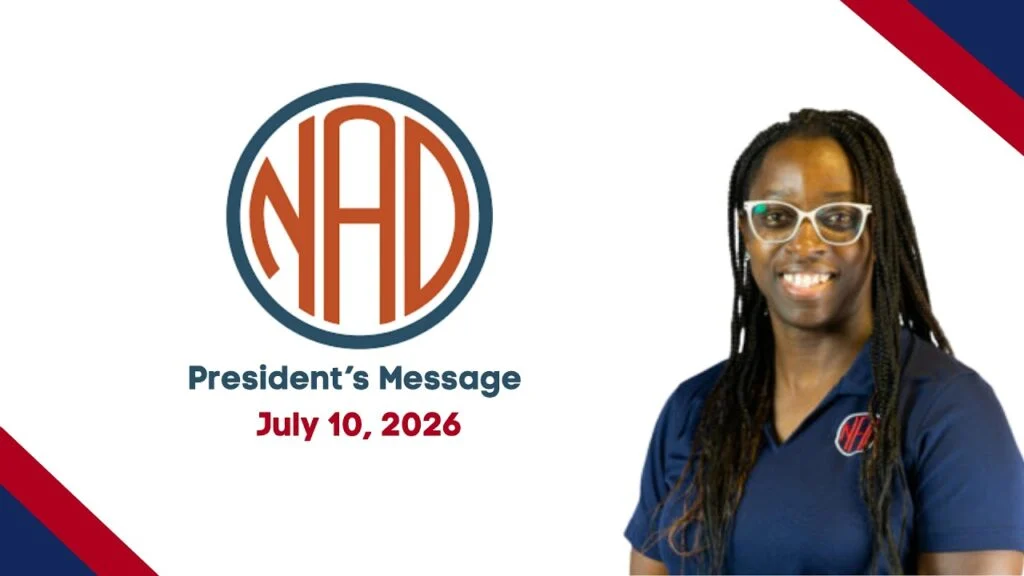
- July 10, 2026: Stephanie Hakulin, President of the NAD Board of Directors, issued an official statement acknowledging the feedback and committing to a comprehensive review process.
Analysis of the Policy’s Language and Intent
The debate centers on the tension between "safety" and "equity." Proponents of the current policy argue that in the absence of a "zero tolerance" framework, the organization lacks the teeth necessary to immediately address incidents of harassment or discriminatory behavior. They posit that the policy is a necessary shield for the safety of attendees.
Conversely, those advocating for reform point to the "school-to-prison pipeline" phenomenon—a direct result of zero-tolerance policies in educational settings—as evidence that such frameworks prioritize punitive action over the understanding of context or the potential for restorative growth. In the context of the NAD, which serves a diverse population often subjected to systemic ableism, the language used to enforce safety is viewed by some as an extension of the very institutional structures the organization opposes.
Data suggests that organizations moving away from rigid, punitive language toward "restorative justice" frameworks often see higher rates of transparency and community engagement. By emphasizing accountability over arbitrary punishment, these organizations aim to address the root causes of conflict rather than simply removing the parties involved.
Official Response and Board Commitment
In her statement, President Stephanie Hakulin emphasized that the organization’s core values—equity, inclusion, accountability, fairness, respect, and belonging—must be reflected in every aspect of the NAD’s administrative infrastructure. Hakulin noted that while the intentions behind the policy were rooted in the protection of vulnerable individuals, the board recognizes that intent does not mitigate the lived experience of the community members who find the language harmful.
"We recognize that the phrase ‘zero tolerance’ carries significant historical context and has been associated with policies and practices that resulted in disproportionate harm," Hakulin stated. The board has committed to a multi-phase review process. During this period, the current policy remains active to ensure that no gaps in protection exist for participants. The review will specifically evaluate:
- The title of the policy and its psychological impact on the community.
- The procedural mechanisms for reporting and adjudication.
- The integration of restorative justice practices as an alternative to strictly punitive measures.
Implications for Future Organizational Governance
The NAD’s decision to revisit its internal policies reflects a broader trend among national non-profit organizations that are currently re-evaluating their governing documents through a lens of intersectionality. This shift is significant, as it signals that professional advocacy organizations are beginning to prioritize the linguistic and cultural nuances of their members alongside their legal obligations.
The implications of this review are twofold. First, it sets a precedent for how the NAD will handle internal dissent in the future. By opting for a formal, transparent review process rather than defensive dismissal, the board is attempting to model the democratic values it advocates for on a national stage. Second, it highlights the influence of grassroots advocacy in shaping high-level policy.
Experts in organizational behavior note that such reviews are essential for maintaining long-term institutional trust. When an organization’s language becomes detached from its stated mission, the resulting friction can erode the community’s willingness to participate in events. By inviting community input, the NAD is attempting to bridge the gap between its administrative requirements and the evolving social consciousness of its membership.
The Path Forward
The NAD has indicated that there is no set deadline for the conclusion of this review, as the process requires significant deliberation and engagement with stakeholders. The board has pledged to maintain open lines of communication, promising that any amendments to the policy will be communicated clearly and effectively.
For the duration of the review, the established reporting channels remain open. The NAD emphasizes that any incident of bullying, harassment, or abuse will continue to be handled with the gravity it requires, under the principles of fairness and confidentiality. The board’s ultimate goal is to move toward a framework that ensures safety while fostering a culture of accountability—a shift that many in the community hope will lead to a more inclusive and equitable environment for all.
The National Association of the Deaf remains one of the most prominent organizations in the advocacy space for deaf and hard-of-hearing individuals. Its ability to navigate this internal policy dispute will likely be viewed as a benchmark for similar organizations seeking to balance the need for strict behavioral safeguards with the need for compassionate, modern, and inclusive organizational governance. As the board moves forward, the community awaits further updates, with many observers noting that the success of this transition will depend on the board’s willingness to implement substantive, rather than merely cosmetic, changes to its internal procedures.
As stated in the board’s recent communication, the goal is to ensure that every member feels represented and secure. Whether this will lead to a rebranding of the policy or a total restructuring of the underlying disciplinary framework remains to be seen. However, the move toward a reflective and community-centered approach marks a pivotal moment in the organization’s 2026 calendar, highlighting the ongoing evolution of advocacy in an increasingly vocal and connected digital era.