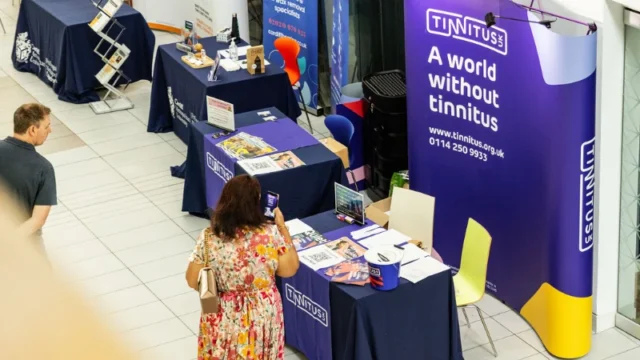
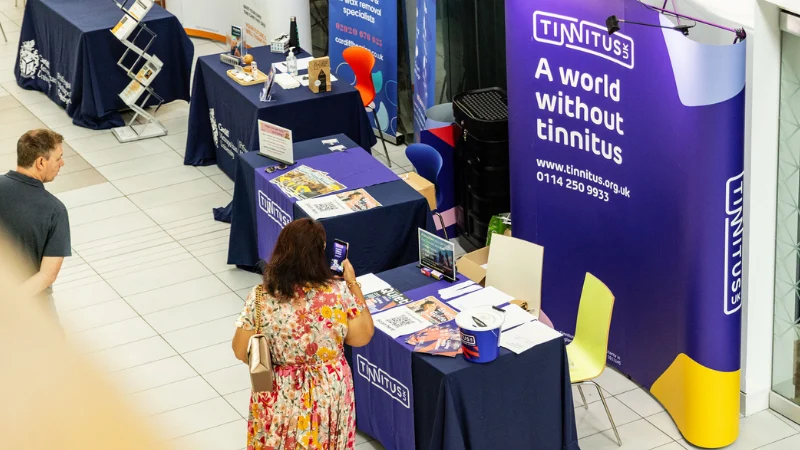
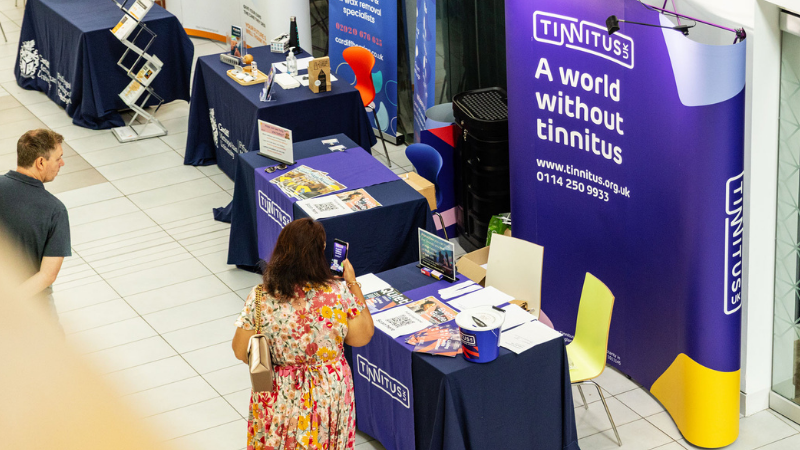
The event, which drew attendees from across South Wales, was structured to address the multi-faceted nature of tinnitus, a condition that affects approximately 1 in 7 adults in the United Kingdom. By integrating clinical presentations, therapeutic workshops, and exhibition spaces, the day underscored the transition from passive patient management to active, patient-centered care.
Chronology and Program Evolution
The day’s proceedings commenced with a series of keynote addresses designed to dispel common myths surrounding the condition. For many attendees, the act of participating in an event dedicated to a sound-based disorder initially induced anxiety. Common medical guidance often suggests that focusing on the condition can exacerbate symptom perception; however, the structured environment of the Cardiff Information Day challenged this narrative.

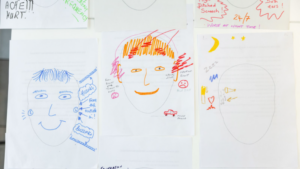
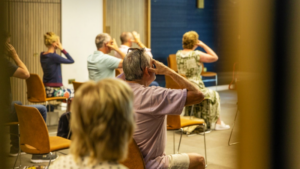
Following the initial briefings, the program moved into specialized workshops. These included a lecture by Professor Florian Vogt of University College London, who focused on the nexus between psychological well-being and auditory health. The afternoon sessions featured an interactive introduction to the "Tinnitus Creative Toolkit," a pioneering methodology developed at the Open University. Unlike traditional CBT-based approaches, the toolkit encourages the externalization of the tinnitus experience through structured creative expression. By the mid-afternoon, the event transitioned into practical wellness sessions, including chair yoga, which provided attendees with immediate, accessible techniques for stress reduction and autonomic nervous system regulation.
Clinical Context and Data Analysis
The urgency for such events is backed by growing clinical evidence regarding the efficacy of community-based interventions. Research highlighted during the event suggests that the traditional medical model—often limited to short, ten-minute consultations—is frequently insufficient for the complex needs of tinnitus patients.

Data shared during the seminar provided compelling insights into the power of support groups. According to internal reports from Tinnitus UK, 97% of participants in formal support networks report a subjective improvement in their ability to manage the condition. This statistic is not merely anecdotal; it reflects the significant impact of social validation and the sharing of management strategies. Furthermore, the inclusion of physical activity, such as the chair yoga session, aligns with emerging data from European research centers, particularly in France, which suggests that moderate to vigorous physical activity acts as a potent inhibitor for the neural mechanisms that sustain the perception of tinnitus.
The event’s organizers emphasized that while there is no universal pharmaceutical "cure," the combination of psychoeducation, peer support, and physical stimulation creates a "management ecosystem" that allows individuals to regain control over their daily lives.
Industry and Expert Perspectives
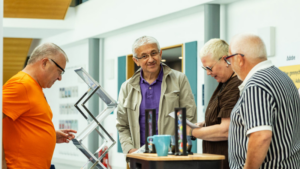
The exhibition hall served as a hub for industry professionals, including Sonja Jones of Cardiff Hearing and Kevin Davies of Minerva. Their presence was intentional; rather than serving as a commercial marketplace, these professionals acted as clinical resources.
"The goal is to bridge the gap between initial diagnosis and long-term adaptation," noted one representative in attendance. By providing free, specialist consultations, these professionals helped attendees differentiate between various types of auditory issues and guided them toward appropriate, evidence-based hearing protection and amplification technologies. This proactive approach to hearing health is essential, given that hearing loss remains the most common co-morbidity associated with chronic tinnitus.
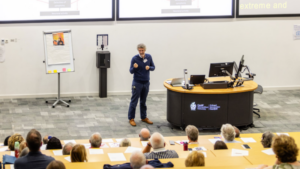
Professor Florian Vogt’s contribution was particularly noted for its focus on the "sleep-tinnitus loop." His research, which is currently undergoing peer review, suggests that the physiological stress of tinnitus creates a cycle of sleep deprivation that, in turn, amplifies the auditory perception of the condition. By offering targeted cognitive strategies, his presentation provided attendees with actionable tools to break this cycle, moving beyond the standard advice of using "white noise" machines.
The Emergence of Localized Support Infrastructure
One of the most profound outcomes of the Cardiff gathering was the spontaneous organization of a new, permanent tinnitus support group. The formation of this group serves as a tangible metric of the event’s success.

Historically, the lack of localized support has left many patients in Wales feeling isolated. The decision to establish a formal chapter in Cardiff indicates a shift toward a more robust, regionalized support network. Organizers are currently in the process of finalizing the logistics for this group, with a focus on creating a sustainable model that can operate independently of the national charity. This development is significant, as it ensures that the "Information Day" was not a transient event, but a catalyst for lasting community infrastructure.
Broader Implications for Public Health
The success of the Cardiff Information Day raises broader questions regarding the integration of non-clinical support within the National Health Service (NHS). As the demand for tinnitus services continues to rise, the role of charities like Tinnitus UK becomes increasingly central. The "expert-patient" model—where individuals are empowered with information to manage their own health—is increasingly viewed as a cost-effective and clinically sound way to alleviate the burden on secondary care services.
The economic implications are also noteworthy. By equipping individuals with the tools to manage their tinnitus, the charity is effectively reducing the frequency of repetitive GP visits and the reliance on pharmacological interventions, which are often ineffective for primary tinnitus. The cost-benefit analysis of such community-led initiatives suggests that, moving forward, health authorities may need to consider closer partnerships with these organizations to provide a more holistic approach to chronic, non-curable conditions.
Looking Ahead: The Bournemouth Initiative
Following the positive reception in Cardiff, Tinnitus UK has confirmed that the next installment of the Information Day series will be held in Bournemouth on September 5. This expansion indicates a clear, strategic intent to cover the geography of the UK systematically.

The upcoming event will likely mirror the structure of the Cardiff program, with a continued emphasis on the Creative Toolkit and the integration of physical wellness. As the charity continues to scale these events, the focus will remain on accessibility. By maintaining a policy of free entry, Tinnitus UK ensures that financial barriers do not prevent access to care—a principle that remains a cornerstone of their operational ethos.
Conclusion and Future Trajectory
The return of Tinnitus UK to Cardiff was more than a regional meeting; it was a demonstration of the efficacy of the modern, biopsychosocial approach to tinnitus management. Through the synthesis of research, professional expertise, and the creation of community support, the event provided a blueprint for how similar health crises might be managed in the future.
As the organization moves toward its next event in Bournemouth, the focus remains on long-term outcomes: lowering the volume of the condition through education and community connection. The emergence of a new support group in Cardiff stands as a testament to the fact that when people are given the right information and a space to share their experiences, the burden of a life-altering condition like tinnitus can be significantly diminished. With continued support, both from the public through donations and from healthcare professionals through collaboration, the prospect for those living with the condition is becoming increasingly optimistic. The message from the Cardiff event is clear: while the sound may persist, the isolation does not have to.