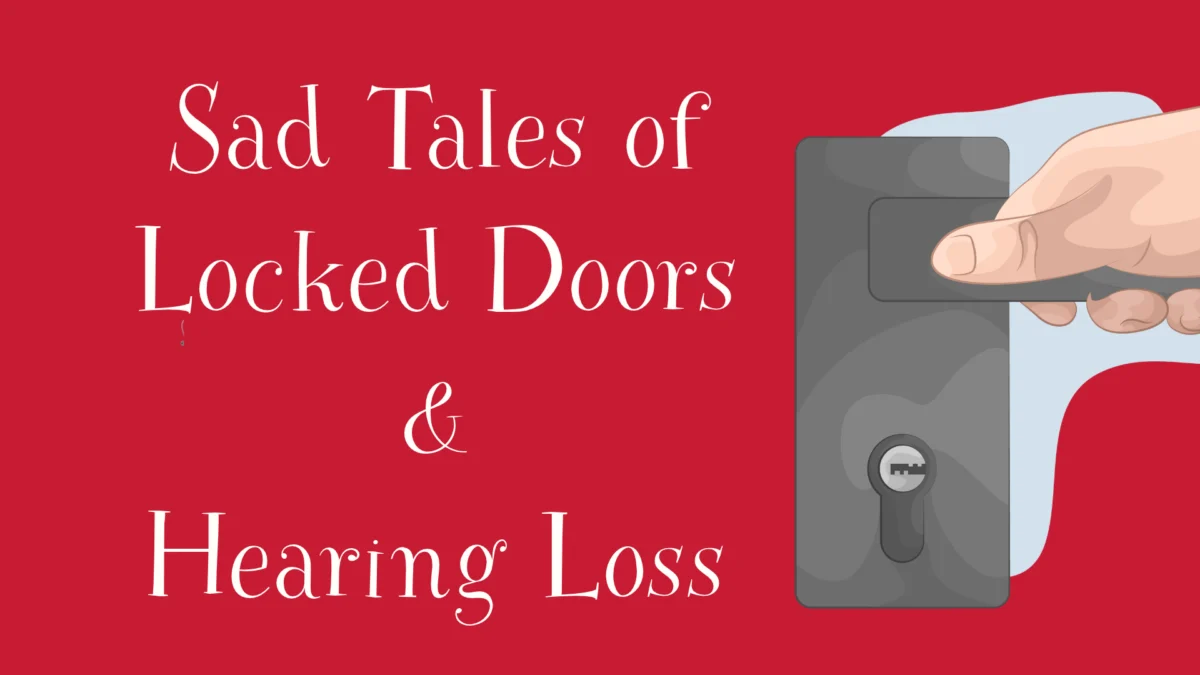
The Silent Sentinel: Home Security for the Deaf and Hard of Hearing
The act of securing one’s home before sleep is a universal ritual, a gesture toward mental well-being and a peaceful night. However, for those who are deaf or hard of hearing, particularly without assistive devices at night, the efficacy of traditional home security measures is profoundly diminished. Standard protocols, such as locking doors, are often understood as a deterrent, but they do not address the core issue of awareness. If an intruder were to force entry, the deaf resident would likely remain unaware, deprived of the auditory signals—the splintering wood, the turning knob, the footsteps—that alert hearing individuals. This vulnerability is compounded by the absence of conventional auditory alarms, which are rendered useless.
According to data from the World Health Organization (WHO), over 5% of the global population experiences disabling hearing loss, a figure projected to rise significantly in the coming decades. This demographic faces distinct challenges in a world predominantly reliant on sound for safety cues. While many households invest in security systems, a significant proportion of these systems primarily rely on audible alarms. For individuals with profound hearing loss, these systems offer a false sense of security unless integrated with visual or tactile alerts. Modern smart home technologies are beginning to bridge this gap, offering solutions like flashing lights synchronized with doorbells or alarms, vibrating bed shakers, and real-time visual notifications on smartphones or smart displays. However, adoption rates for such specialized equipment are not universal, and awareness of their necessity remains varied. The psychological impact of this heightened vulnerability can lead to chronic anxiety, affecting sleep quality and overall mental health. The simple act of locking a door, for many, becomes a symbolic gesture rather than a practical safeguard, underscoring the deeper need for universally accessible security solutions.
Navigating the Hotel Labyrinth: Accessibility and Emergency Preparedness
The challenges faced by individuals with hearing loss are particularly pronounced when traveling, where unfamiliar environments and reliance on external services introduce new complexities. Hotel accommodations, in particular, present a unique nexus of safety concerns, accessibility regulations, and potential communication breakdowns. The narratives of guests encountering locked doors or emergency situations without adequate support are not isolated incidents but rather illustrative of systemic issues.
One reported incident involved a guest inadvertently locking their partner out of a hotel room. Pre-cellphone era, the individual, engrossed in a loud television program, remained oblivious to persistent knocking and calls from the lobby for over 45 minutes. This highlights a fundamental communication barrier that technology has only partially mitigated. Another account detailed a guest being locked out of her hotel room by a friend who, unaware of the situation, slept through the hotel staff’s forced entry to resolve the issue. These incidents, while seemingly minor, underscore the heightened dependency on communication in transient environments and the potential for miscommunication to escalate.
More critically, hotel safety protocols for guests with hearing loss often fall short. The issue of waking up for early flights is a common concern. While vibrating and/or flashing alarm clocks are standard provisions in accessible hotel rooms, many individuals express a lack of complete trust in these devices, often waking periodically throughout the night to ensure they haven’t overslept. This anxiety stems from past experiences where devices may have failed or simply from the profound sense of isolation that can accompany being unable to hear an alarm.
The dilemma of whether to use an extra hotel door latch exemplifies the complex trade-offs involved in personal security for deaf travelers. While an additional bolt might offer an increased sense of security against intruders, it simultaneously creates a significant impediment for emergency responders. In the event of a fire alarm—which deaf individuals would likely not hear—a bolted door could delay first responders attempting to gain entry to ensure the guest’s safety. This situation forces individuals to choose between perceived immediate security and potential life-saving access during an emergency.
Case Studies in Vulnerability: Real-World Hotel Incidents
The need for robust and reliable hotel safety protocols for individuals with hearing loss is further emphasized by real-world incidents where standard procedures proved inadequate. These accounts highlight not only the vulnerability but also the critical importance of proactive communication and well-trained staff.
In one documented case, a guest with profound hearing loss, Leon, requested a wake-up call, a service often considered standard but inherently problematic for someone unable to hear a telephone ring. When he failed to respond to the call, and subsequently did not answer the door after security personnel were dispatched, hotel staff made the decision to force entry. Leon awoke to a group of strangers in his room, an alarming and disorienting experience that led to mutual yelling as both parties struggled to comprehend the situation. This incident clearly demonstrates a gap in understanding how to effectively provide a "wake-up call" service to a deaf individual, underscoring the need for alternative, visual or tactile methods.
A similar incident involved Roxana, who, after removing her cochlear implant sound processors for the night, awoke to a group of strangers in her room. Disoriented, she screamed in Spanish, while the staff, communicating in English, attempted to explain that her room was flooding. Roxana, deaf in both languages without her processors, could not comprehend the urgency of the situation. It was later revealed that the water had been running continuously, a common occurrence for individuals with hearing loss who may not perceive the sound of running water. These incidents are not merely inconveniences; they represent critical failures in communication and emergency response, leading to distress, property damage, and potential danger.
The Role of Disclosure and Proactive Communication
Recognizing these vulnerabilities, many individuals with hearing loss adopt proactive strategies, often involving direct communication with hotel staff. The practice of disclosing hearing loss at check-in, coupled with specific requests for emergency procedures, represents a form of self-advocacy aimed at mitigating risks. For instance, some guests explicitly request that hotels make a computer note of their hearing loss and outline specific actions to be taken in an emergency, such as sending a staff member to physically alert them. This strategy, however, relies heavily on the diligence and training of hotel personnel. One reported instance highlighted a hotel’s failure to follow through on such a request during a false alarm evacuation, leaving the guest isolated and unaware. This illustrates the critical need for systemic changes in hotel training and information management rather than solely relying on individual guest advocacy.
Industry standards, such as those outlined by the Americans with Disabilities Act (ADA) in the United States, mandate specific accommodations for guests with hearing disabilities, including visual fire alarms, notification devices for incoming calls, and TTY/VCO compatibility. However, compliance varies, and the effectiveness of these provisions is often dependent on staff awareness and proper functioning. Organizations like the American Hotel & Lodging Association (AHLA) encourage members to adhere to these standards, but anecdotal evidence suggests that practical implementation and staff training remain inconsistent across the industry.
Beyond the Door: Public Spaces and Universal Design
The challenges of locked doors and communication barriers extend beyond homes and hotels into public spaces. The seemingly minor predicament of being locked inside a single-stall washroom, unable to hear calls for help or understand responses, encapsulates the broader issue of inaccessible design. The anxiety associated with such a situation, compounded by the communication barrier, can be profound. The discovery of a "Press Here to Open" button, while a simple solution in this instance, underscores the necessity of clear, visual, and universally understandable cues in all public facilities.
This speaks to the concept of universal design—the creation of environments and products usable by all people, to the greatest extent possible, without the need for adaptation or specialized design. For individuals with hearing loss, universal design principles translate into features like visual alarms, clear signage, readily available visual communication aids, and training for staff in basic communication strategies for deaf and hard-of-hearing individuals.
Broader Implications and the Path Forward
The recurring narratives surrounding locked doors and communication breakdowns for individuals with hearing loss are not merely personal anecdotes; they represent systemic issues with significant implications for safety, accessibility, and inclusion.
- Safety and Emergency Preparedness: The inability to perceive auditory warnings like fire alarms, smoke detectors, or intruder alerts places individuals with hearing loss at a disproportionately higher risk in emergency situations. This necessitates a re-evaluation of emergency protocols by building managers, hotel operators, and first responders to ensure effective visual and tactile alert systems are in place and understood.
- Technological Solutions and Adoption: While technology offers promising solutions (e.g., smart home devices, vibrating alarms), their widespread adoption and integration into public and private infrastructure remain crucial. Policy initiatives and incentives for incorporating accessible technologies are vital.
- Training and Awareness: Comprehensive training for hotel staff, emergency services personnel, and public service providers on interacting with and assisting individuals with hearing loss is paramount. This includes understanding communication strategies, recognizing visual cues, and being aware of specific accessibility needs.
- Advocacy and Policy: Disability advocacy groups continue to push for stronger enforcement of accessibility laws and the development of more inclusive design standards. These efforts are critical for driving change at a policy level.
- Psychological Impact: The constant vigilance and heightened anxiety associated with navigating an inaccessible world take a toll on mental health. Creating more inclusive environments not only enhances physical safety but also promotes psychological well-being.
In conclusion, the simple act of a locked door serves as a powerful metaphor for the broader barriers faced by individuals with hearing loss. Addressing these challenges requires a multifaceted approach that combines technological innovation, robust policy enforcement, comprehensive staff training, and a societal commitment to universal design principles. Only then can the promise of safety and security truly be unlocked for everyone, irrespective of their auditory capabilities.