The cerebellum, often referred to as the "little brain," is a region located at the back of the skull that plays a disproportionately large role in motor control. Although it accounts for only about 10% of the brain’s volume, it contains more than half of the brain’s total neurons. In approximately 80% of MS cases, the cerebellum becomes a primary site of inflammation and tissue damage. As the disease progresses, patients often experience ataxia—a neurological sign consisting of a lack of voluntary coordination of muscle movements—which stems directly from the loss of healthy tissue within this specific brain region.
The Mechanistic Breakdown: Inflammation, Demyelination, and Energy Failure
Multiple sclerosis is fundamentally defined by two pathological processes: chronic inflammation and demyelination. The myelin sheath serves as the insulating layer for nerve fibers, much like the plastic coating on an electrical wire. When the immune system destroys this sheath, the electrical impulses that govern every human action—from blinking to walking—are slowed or halted. However, the UCR research team, led by Seema Tiwari-Woodruff, a professor of biomedical sciences at the UCR School of Medicine, suggests that demyelination is only part of the story.
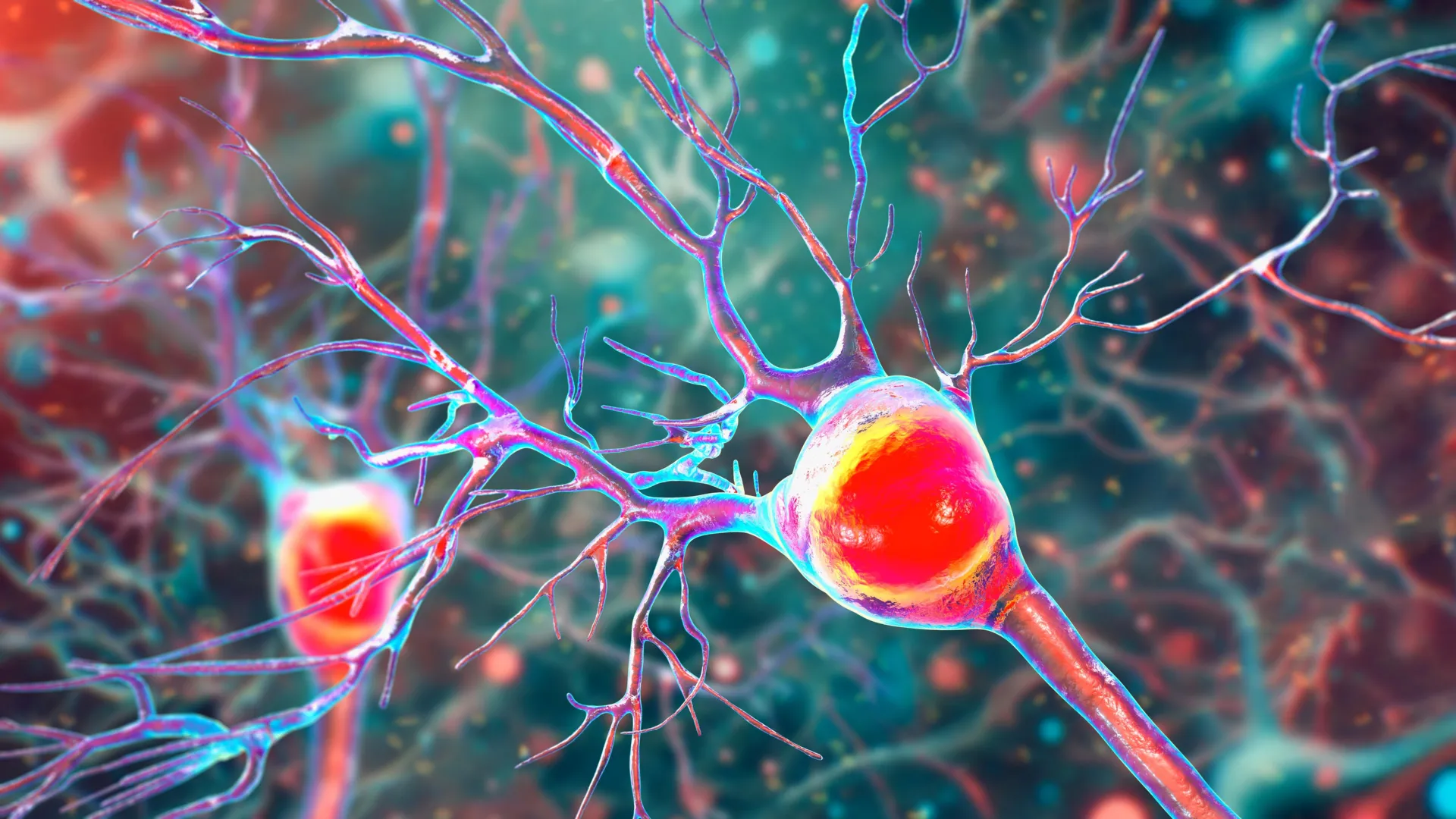
The study posits that the destruction of myelin triggers a secondary, equally devastating cascade of mitochondrial dysfunction. Mitochondria are responsible for generating adenosine triphosphate (ATP), the chemical energy currency of the cell. In the context of the cerebellum, the research focused specifically on Purkinje cells. These are among the largest neurons in the human brain, characterized by an intricately branched "dendritic tree" that allows them to receive and process a massive amount of inhibitory input. Because of their size and high level of activity, Purkinje cells are exceptionally energy-dependent.
"Our study proposes that inflammation and demyelination in the cerebellum disrupt mitochondrial function, contributing to nerve damage and Purkinje cell loss," explained Professor Tiwari-Woodruff. The research team observed a significant depletion of a specific mitochondrial protein known as COXIV (Cytochrome c oxidase subunit 4) in demyelinated Purkinje cells. COXIV is a key component of the electron transport chain, the site of most ATP production. When this protein is lost, the cell’s "powerhouse" fails, leading to a state of metabolic crisis that eventually culminates in programmed cell death.
Purkinje Cells: The Architects of Motor Precision
To understand the impact of the UCR findings, one must consider the functional importance of Purkinje neurons. These cells are the sole output for motor coordination from the cerebellar cortex. Every smooth movement a human makes—whether it is the fine motor skill required to thread a needle or the gross motor skill of maintaining balance on an icy sidewalk—is mediated by the firing patterns of these neurons.
"Inside the cerebellum are special cells called Purkinje neurons," Tiwari-Woodruff said. "These large, highly active cells help coordinate smooth, precise movements. They’re essential for balance and fine motor skills."
In MS patients, the gradual death of these cells leads to a progressive decline in mobility. The UCR study utilized postmortem cerebellar tissue from individuals who had been diagnosed with secondary progressive MS (SPMS), a stage of the disease where disability increases steadily regardless of relapses. By comparing this tissue with samples from healthy donors—obtained from the National Institutes of Health’s NeuroBioBank and the Cleveland Clinic—the researchers were able to visualize the physical toll of the disease. They found that in MS-affected brains, Purkinje neurons possessed fewer branches, showed clear signs of myelin loss, and exhibited profound mitochondrial impairment.
Evidence from the EAE Mouse Model: A Chronology of Decline
Because postmortem human tissue only provides a snapshot of the disease at its end stage, the UCR team employed an experimental autoimmune encephalomyelitis (EAE) mouse model to track the progression of the disease in real-time. The EAE model is the gold standard in MS research, as it mimics the clinical, pathological, and immunological features of the human disease.
By monitoring the mice over several months, the researchers established a clear chronology of neurological decline. The timeline begins with early inflammation and the breakdown of the myelin sheath. Shortly thereafter, mitochondrial activity begins to drop, signaled by the loss of COXIV and other respiratory chain proteins. This energy failure precedes the actual death of the Purkinje cells.
"The remaining neurons don’t work as well because their mitochondria start to fail," Tiwari-Woodruff noted. "These problems—less energy, loss of myelin, and damaged neurons—start early, but the actual death of the brain cells tends to happen later, as the disease becomes more severe."
This finding is significant because it suggests a "window of opportunity" for therapeutic intervention. If the energy supply of the neurons can be bolstered after the initial inflammatory attack but before the cells actually die, it may be possible to preserve motor function in MS patients for much longer than current treatments allow.
Analysis of Implications: Shifting the Treatment Paradigm
The current pharmaceutical landscape for MS is dominated by Disease-Modifying Therapies (DMTs). Most of these drugs are immunomodulators or immunosuppressants designed to reduce the frequency of relapses by preventing immune cells from entering the central nervous system. While highly effective for relapsing-remitting MS (RRMS), these treatments have historically shown limited efficacy in treating the progressive forms of the disease, where neurodegeneration continues even in the absence of active inflammation.
The UCR study highlights a critical need for neuroprotective strategies that target the metabolic health of neurons. If mitochondrial failure is indeed the "tipping point" that leads to permanent cell loss, then antioxidants or compounds that enhance mitochondrial biogenesis could become a vital adjunct to existing immune-focused therapies.
Furthermore, the study’s focus on the cerebellum addresses a historical gap in MS research. Much of the previous work has focused on the cerebral cortex or the spinal cord. By highlighting the specific vulnerability of Purkinje cells, the UCR team provides a roadmap for addressing the balance and coordination issues that are often the most debilitating aspects of the disease for patients.
Supporting Data and Collaborative Efforts
The research was a collaborative effort involving a diverse team of scientists, including graduate student Kelley Atkinson, who conducted much of the primary laboratory work. Other contributors included Shane Desfor, Micah Feria, Maria T. Sekyia, Marvellous Osunde, Sandhya Sriram, Saima Noori, Wendy Rincón, and Britany Belloa.
The study’s reliance on high-quality human tissue samples underscores the importance of brain banks in modern neuroscience. The comparison between healthy control tissue and SPMS tissue allowed the team to confirm that the mitochondrial deficits were not a general feature of aging, but a specific pathological hallmark of MS. The loss of COXIV protein, in particular, served as a measurable biomarker of the energy crisis occurring within the cerebellar neurons.
Funding for this extensive research was provided by the National Multiple Sclerosis Society, an organization that has increasingly prioritized research into the progressive stages of the disease. The Society’s involvement reflects a broader shift in the MS community toward understanding "PIRA" (Progression Independent of Relapse Activity), a phenomenon where patients’ conditions worsen despite having no new lesions on MRI scans. Mitochondrial failure is a leading candidate for the cause of PIRA.
The Path Forward: Expanding the Scope of Research
The UCR team is not stopping at Purkinje cells. Their next phase of research involves investigating whether this mitochondrial "contagion" extends to other cell types within the cerebellum. Specifically, they are looking at:
- Oligodendrocytes: The cells responsible for creating myelin. If their mitochondria fail, they cannot repair the damage caused by the immune system.
- Astrocytes: Star-shaped cells that provide structural and metabolic support to neurons. Malfunctioning astrocytes can become "reactive," potentially secreting toxins that further damage Purkinje cells.
- Microglia: The resident immune cells of the brain. The researchers want to determine if mitochondrial dysfunction in microglia causes them to remain in a pro-inflammatory state, perpetually attacking healthy tissue.
"To answer this, one of our ongoing research projects is focused on studying mitochondria in specific types of brain cells in the cerebellum," Tiwari-Woodruff said. "Such research can open the door to finding ways to protect the brain early on—like boosting energy in brain cells, helping them repair their protective myelin coating, or calming the immune system before too much damage is done."
Conclusion and Broader Impact
The findings from University of California, Riverside, represent a significant stride in the quest to demystify the progression of multiple sclerosis. By identifying the failure of the cellular "powerhouse" as a precursor to neuron death, the research shifts the focus from the external immune attack to the internal metabolic resilience of the brain.
As the global population ages and the prevalence of MS continues to rise, the economic and social burden of the disease grows. In the United States, the total economic burden of MS is estimated to be over $85 billion annually, including direct medical costs and indirect costs like lost wages. Treatments that can preserve mobility and independence by protecting cerebellar function would not only improve the quality of life for millions but also significantly reduce the long-term healthcare costs associated with the disease.
Professor Tiwari-Woodruff concluded the report with a plea for the continued support of basic and translational science. "Cutting funding to science only slows progress when we need it most," she stated. "Public support for research matters now more than ever."
As the scientific community digests these findings, the hope is that new clinical trials will soon emerge, testing therapies designed to "recharge" the mitochondria of the MS brain, potentially turning a progressive decline into a manageable condition. For the 2.8 million people living with MS, the prospect of maintaining their balance, their coordination, and their independence has never been more grounded in rigorous scientific evidence.