The Clinical Context: Understanding Sensorineural Hearing Loss
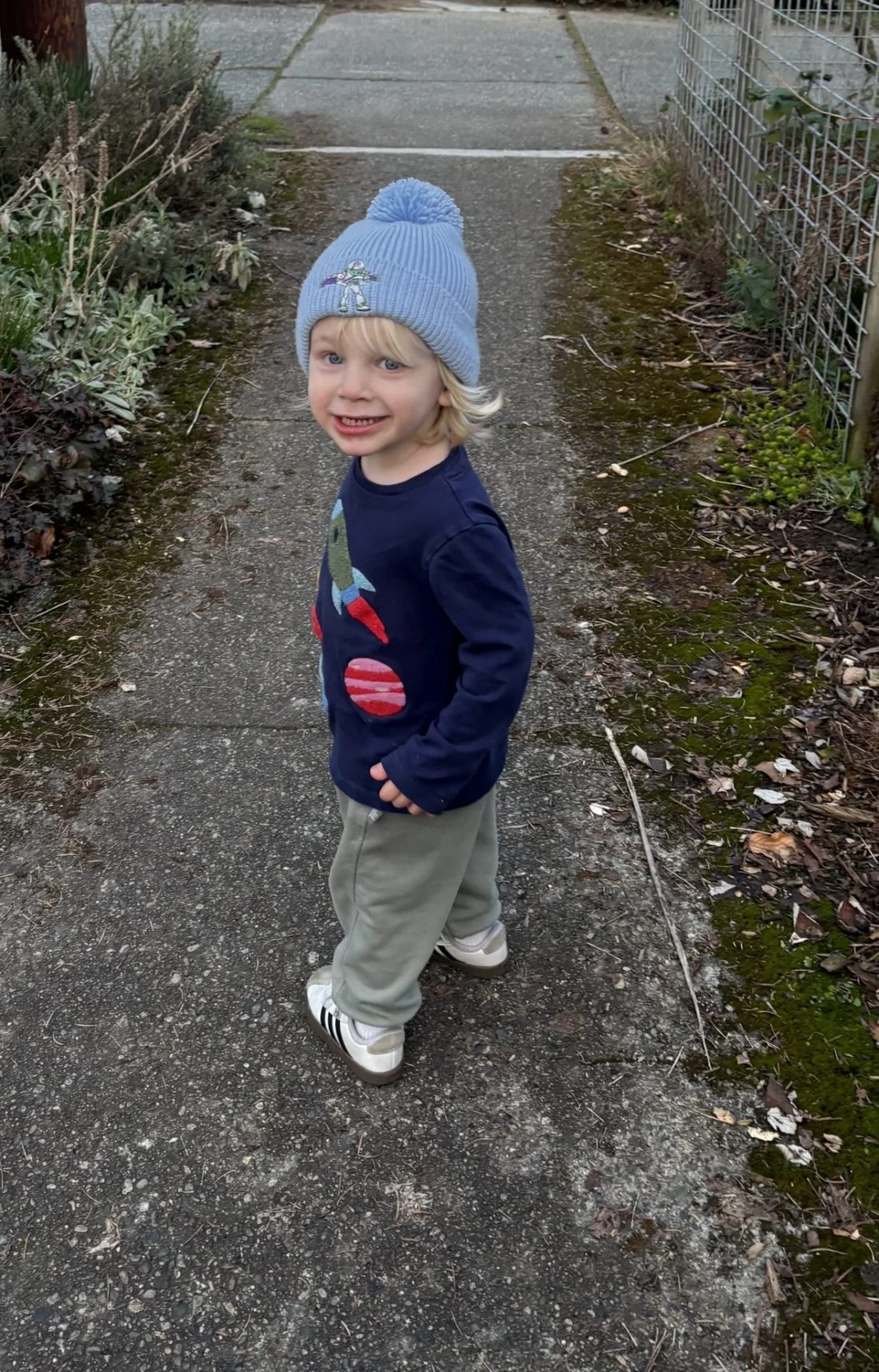
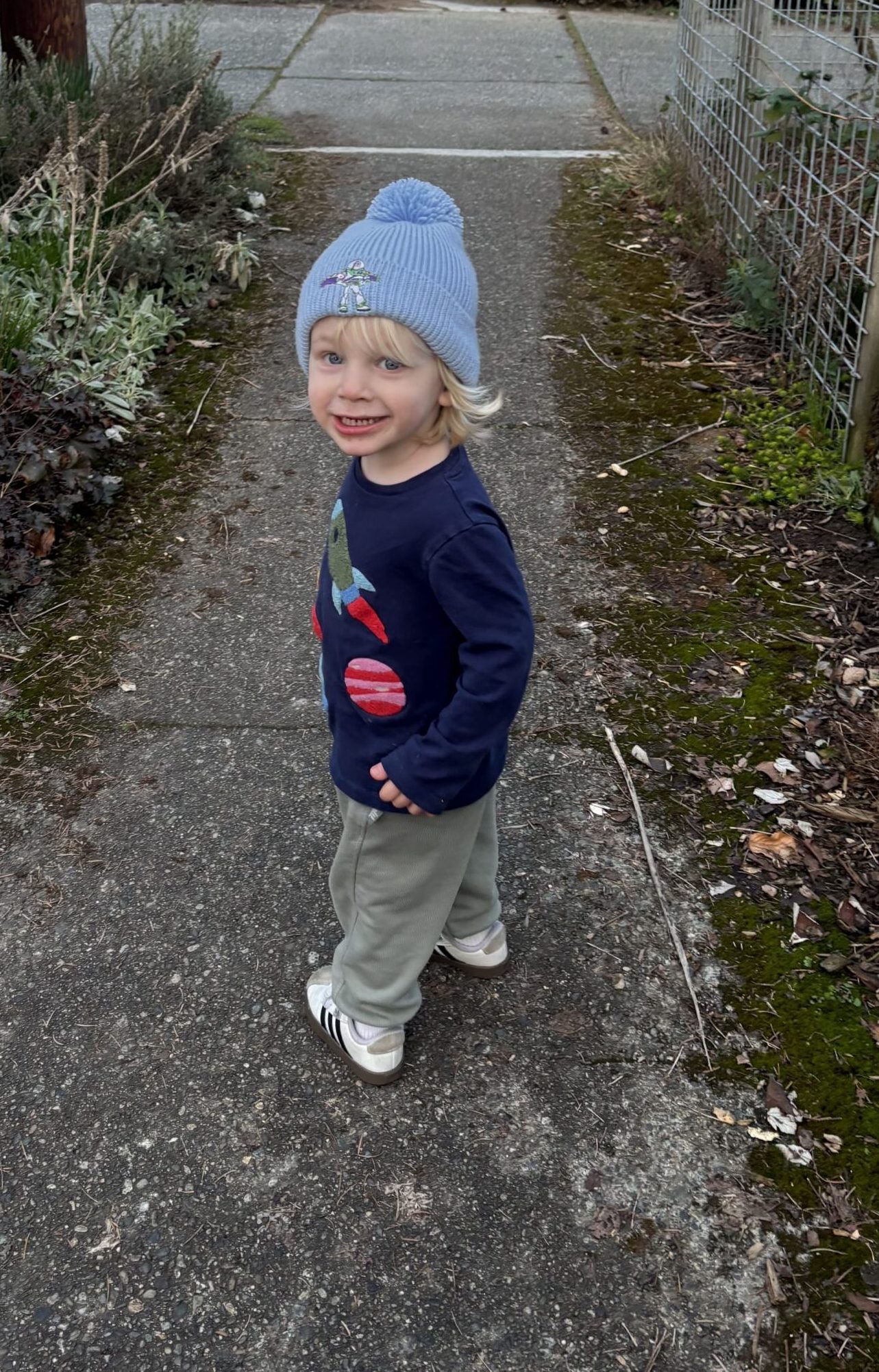
Landon’s diagnosis, identified at two months of age, was rooted in a genetic mutation involving the deletion of the STRC and CATSPER2 genes. This specific genetic profile often results in mild-to-moderate bilateral sensorineural hearing loss, a condition characterized by damage to the tiny hair cells within the cochlea or the auditory nerve pathways.
According to the Centers for Disease Control and Prevention (CDC), hearing loss is one of the most common congenital conditions in the United States, affecting approximately 1.7 per 1,000 infants. When left unaddressed, such impairments can significantly disrupt language acquisition, social-emotional development, and future academic performance. High-frequency sounds—such as the sibilant "s" or the ambient noise of running water—are often the first to be lost in cases like Landon’s. Because these frequencies are essential for understanding speech, early amplification via hearing aids is the gold standard for bridging the communication gap.
A Chronology of Care
The timeline of Landon’s development highlights the necessity of the "Birth to Three" model.
- Two Months: Initial failure of the newborn hearing screening leads to diagnostic testing.
- Infancy: A period of intensive clinical visits and testing to confirm the genetic nature of the hearing loss.
- Three Months: Integration into Listen and Talk’s early intervention programs, providing the family with essential emotional and educational scaffolding.
- 17 Months: Initial fitting of hearing aids, marking a turning point in Landon’s auditory access.
- Preschool Years: Transition into a blended classroom environment, focusing on advocacy skills and social integration.
For Landon’s family, the initial months were characterized by a high degree of clinical uncertainty. The role of specialized support, such as that provided by dedicated specialists like Meghan, proved vital in transforming the family’s anxiety into actionable parenting strategies. By providing direct guidance on speech sound access, reading techniques, and the technical maintenance of hearing aids, these specialists empower parents to become the primary agents of their child’s linguistic development.
The Efficacy of the Blended Classroom Model
Listen and Talk utilizes a "blended classroom" approach, an educational model that integrates children with hearing loss alongside typically hearing peers in an auditory-rich environment. This pedagogical strategy is backed by research suggesting that children with hearing loss benefit significantly from the incidental language modeling provided by their peers.
In this environment, students are not merely passive recipients of education; they are active participants in developing self-advocacy. This includes learning to communicate their specific needs to educators, such as requesting a seat closer to the teacher or navigating the challenges of "hearing fatigue." Hearing fatigue occurs when the brain must exert significant extra effort to process auditory information through devices, often leading to exhaustion. By implementing simple environmental modifications—such as limiting ambient noise and acknowledging the need for breaks—teachers can substantially improve the classroom experience for students with hearing loss.
The Broader Impact: Data and Developmental Outcomes
The significance of Landon’s progress is supported by broader educational data regarding early intervention. Research consistently demonstrates that children who begin intervention before six months of age develop language skills at a rate comparable to their peers with typical hearing. Conversely, delays in intervention can lead to a "language gap" that is often difficult to close in later elementary years.
For children like Landon, consistent testing and assessment are not merely administrative requirements but critical benchmarks for growth. Improved vocabulary and articulation are the direct results of sustained, high-quality intervention. These outcomes illustrate that hearing loss, while a lifelong physiological condition, does not have to be a limiting factor in a child’s potential for academic and social success.

Advocacy and Future Implications
As Landon progresses toward Kindergarten, the focus of his education shifts toward long-term independence. The development of self-advocacy skills is perhaps the most significant outcome of his early intervention program. By the time children enter primary school, they must be equipped to communicate their needs to teachers, coaches, and peers, ensuring they have equitable access to the curriculum.
This model of care requires robust community support and funding. Organizations like Listen and Talk operate as social impact enterprises, filling the gaps in public education and healthcare by providing specialized audiology testing, speech therapy, and parent education. The financial sustainability of these programs is essential, as the costs associated with specialized auditory equipment and professional intervention can be prohibitive for many families.
The Role of Philanthropy in Pediatric Audiology
The success of early intervention programs is intrinsically linked to public and private donations. These funds are not merely for operational costs; they are investments in the future trajectory of children with hearing loss. Contributions support the infrastructure required to provide high-quality services, from the procurement of advanced diagnostic equipment to the training of specialized staff who serve as the bridge between clinical diagnosis and daily classroom success.
As society moves toward a more inclusive educational paradigm, the integration of children with hearing loss into mainstream environments will continue to be a priority. The lessons learned from Landon’s experience serve as a roadmap for parents and educators alike: early diagnosis, consistent professional guidance, and an environment that fosters both auditory access and self-advocacy are the cornerstones of success.
By prioritizing these resources, communities can work toward a future where hearing loss is effectively managed, ensuring that every child has the opportunity to communicate, learn, and thrive. The vision that "no child is limited by hearing loss" is a standard that requires ongoing commitment, both in the clinical setting and through the continued support of organizations dedicated to this critical mission. As Landon’s story continues to unfold, it remains a powerful reminder of the impact that proactive, expert-led intervention can have on the trajectory of a child’s life.