
A Chronology of Clinical Intervention
For the Krenn family, the journey began at one month of age with the receipt of diagnostic documentation confirming hearing loss. The immediate period following a diagnosis is often characterized by high levels of parental anxiety, a phenomenon well-documented in pediatric audiology. For the Krenns, this period involved navigating a maze of medical appointments, genetic consultations, and the selection of appropriate assistive technologies.
Jack’s diagnosis included mandibulofacial dysostosis with microcephaly (MFDM), a rare condition associated with the EFTUD2 gene. This condition often presents with significant hearing loss, necessitating a proactive and multifaceted medical approach. The family’s timeline of care included:
- Birth to Three Months: Initial diagnosis, genetic testing for the EFTUD2 variant, and the management of primary health concerns.
- Three Months to One Year: Engagement with early intervention services, including the selection of auditory assistive devices, such as the initial recommendation of a BAHA (Bone Anchored Hearing Aid) or traditional hearing aids.
- One to Three Years: Consistent weekly engagement with a Speech-Language Pathologist (SLP), integration into playgroups, and subsequent diagnosis of childhood apraxia of speech (CAS).
- Three Years to Present: Enrollment in a specialized, inclusive preschool environment, where auditory and speech development are integrated into a social, peer-based curriculum.
The Role of Early Intervention in Auditory Development
Early intervention (EI) is defined as the process of providing services and support to infants and toddlers with developmental delays or disabilities. In the context of hearing loss, the "1-3-6" rule is the gold standard in the United States: screening by one month, diagnosis by three months, and enrollment in early intervention by six months.
The efficacy of these programs is supported by substantial clinical data. Research published by the American Speech-Language-Hearing Association (ASHA) indicates that children who receive intervention before six months of age demonstrate significantly higher language development scores compared to those who receive intervention later. In Jack’s case, the SLP provided not only direct therapeutic services but also served as a critical educational liaison, facilitating communication between the family, the child’s social circles, and even the workplace of the parents to ensure a supportive environment for his listening needs.

Navigating Complex Diagnoses: The Intersection of MFDM and Apraxia
Jack’s clinical profile is complicated by the presence of childhood apraxia of speech (CAS), a motor speech disorder that makes it difficult for a child to speak consistently. While his hearing loss was initially identified as moderate-to-severe mixed loss, subsequent testing—following the placement of tympanostomy tubes and further growth—revealed a unilateral conductive loss.
The coexistence of hearing loss and CAS requires a dual-track therapeutic approach. The auditory system must be optimized to ensure the brain receives clear signals, while the motor planning centers of the brain must be trained to execute speech production. The "blended classroom" model at Listen and Talk addresses these needs by creating a language-rich environment where peers, teachers, and therapists reinforce communication skills throughout the day. This social integration is a critical component of neuroplasticity in early childhood development.
Socioeconomic and Systemic Implications
The cost of early intervention services for children with hearing loss is a significant consideration for public health policy. According to the Centers for Disease Control and Prevention (CDC), hearing loss is one of the most common congenital conditions, affecting approximately 1 to 3 out of every 1,000 infants. The economic impact of untreated hearing loss can be substantial, resulting in lifelong deficits in academic achievement and workforce participation.
Programs like Listen and Talk operate as social impact enterprises, filling the gap between clinical diagnosis and mainstream educational inclusion. These programs rely on a mix of public funding, private insurance, and philanthropic support. The "Alumni Family Giving Campaign" is representative of the necessity for private-public partnerships to ensure that early intervention remains accessible to families regardless of their ability to pay.
Expert Perspectives on Inclusive Education
Educational psychologists and audiologists emphasize that the "listening environment" is just as critical as the hardware (hearing aids or implants) the child wears. By educating parents and peers on the reality of hearing loss, institutions like Listen and Talk shift the cultural narrative from one of "disability" to one of "accessibility."
In the case of the Krenn family, the shift in their own attitude—moving from a desire for "discreet" or invisible technology to embracing neon and glitter-decorated devices—symbolizes a profound psychological milestone. It represents the destigmatization of assistive technology and the reclamation of the child’s identity as a vibrant, capable learner.

The Broader Impact of Philanthropic Support
The financial burden of specialized services, including audiology testing, speech therapy, and parent education, can be prohibitive for many families. Contributions to these programs provide more than just equipment; they provide the infrastructure for a community of practice.
When families contribute to the funding of early intervention, they are directly investing in the developmental future of children who might otherwise fall through the cracks of a fragmented medical system. The goal, as defined by organizations like Listen and Talk, is that "no child is limited by hearing loss." This goal is pursued through:
- Direct Service Provision: Funding the professional staff necessary for one-on-one and group therapy sessions.
- Parent Education: Empowering families to act as the primary advocates and educators for their children.
- Community Building: Connecting families who share similar diagnostic journeys, reducing the isolation often felt in the early stages of a rare condition diagnosis.
Conclusion: A Foundation for Success
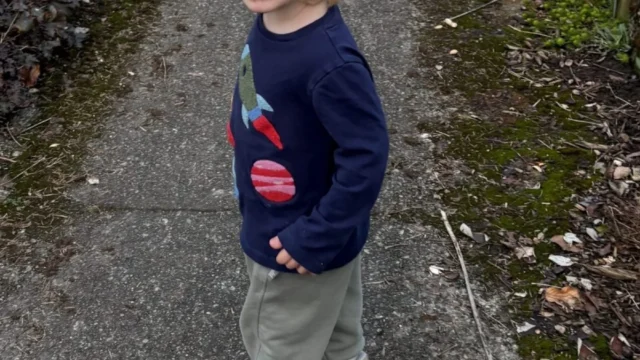
Jack Krenn’s progress serves as a testament to the success of early, intensive, and holistic intervention. By the age of three and a half, he has transitioned from a child struggling with the technicalities of hearing loss to a confident, imaginative participant in his community. His story underscores that while the initial diagnosis of hearing loss—especially when combined with rare genetic variants—can be overwhelming, the implementation of robust early intervention services changes the long-term outlook for the child.
As the field of pediatric audiology continues to evolve, the integration of technology, specialized therapy, and community support remains the most effective path forward. For families currently navigating the daunting process of diagnosis and early care, the success of programs like Listen and Talk provides a roadmap for turning clinical challenges into opportunities for growth, demonstrating that with the right support, children can and will thrive.