Early Foundations and the Role of Intervention
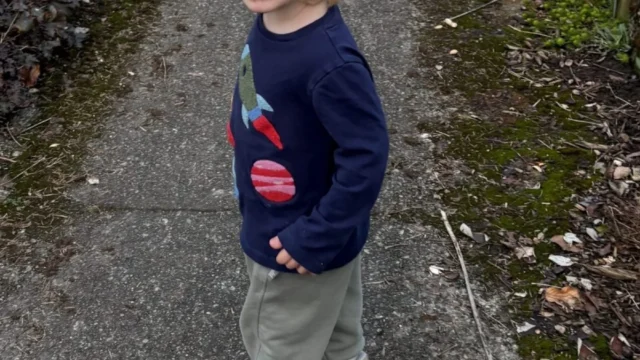
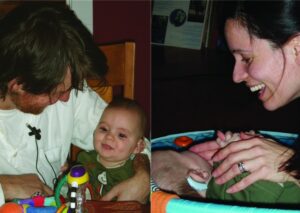
The roots of Nolfi-Browne’s success can be traced to his foundational years at Listen and Talk, an organization dedicated to empowering deaf and hard-of-hearing children. Joining the program a decade after its inception, Nolfi-Browne was provided with specialized early intervention services that focused on auditory and spoken language development. These formative years, guided by professionals such as Star and Maura, established the cognitive and communication framework necessary for his future endeavors.
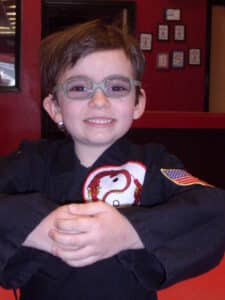
Reflecting on the impact of these services, Nolfi-Browne’s parents emphasized that the early intervention period was pivotal. They noted that the specialized support provided by the organization did not merely assist with immediate developmental goals but acted as a catalyst for a life trajectory defined by self-determination. By integrating into a supportive educational environment early on, Nolfi-Browne was able to develop the resilience and foundational skills required to bypass traditional barriers often faced by students with hearing loss.
A Chronology of Academic Pursuit
Nolfi-Browne’s academic career is characterized by an unconventional timeline that prioritized intellectual rigor and personal challenge over traditional educational milestones. His journey began to deviate from the standard path as early as the 6th grade, when he sought opportunities beyond his local school district. By enrolling in community college courses while still in junior high, he demonstrated a capacity for higher-level thinking that would define his future studies.
The post-COVID era marked a transition in his trajectory. At age 17, Nolfi-Browne matriculated at the University of Edinburgh in Scotland. His tenure there was marked by high-level academic success, specifically in history, where his papers received recognition for their depth and clarity—a rare achievement for an undergraduate at such a young age. This international experience served as a precursor to his eventual return to the United States to attend UCLA as a transfer student.
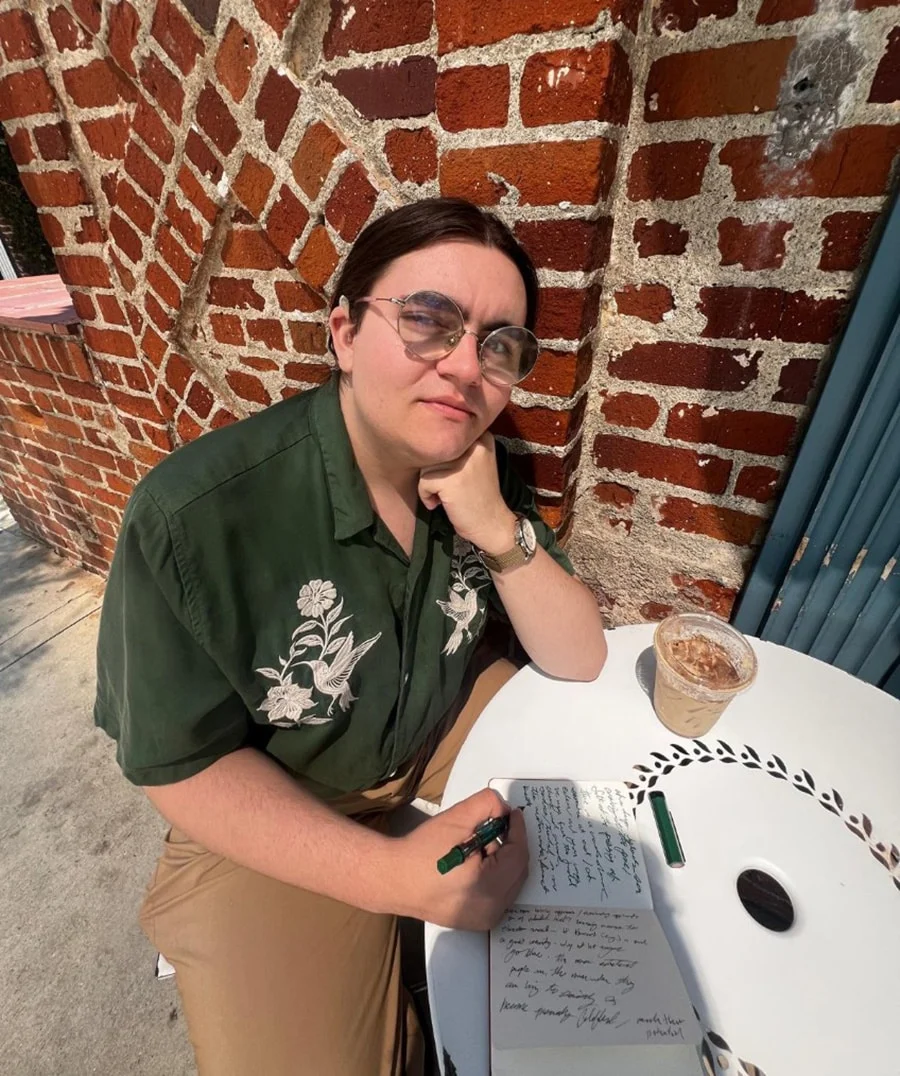
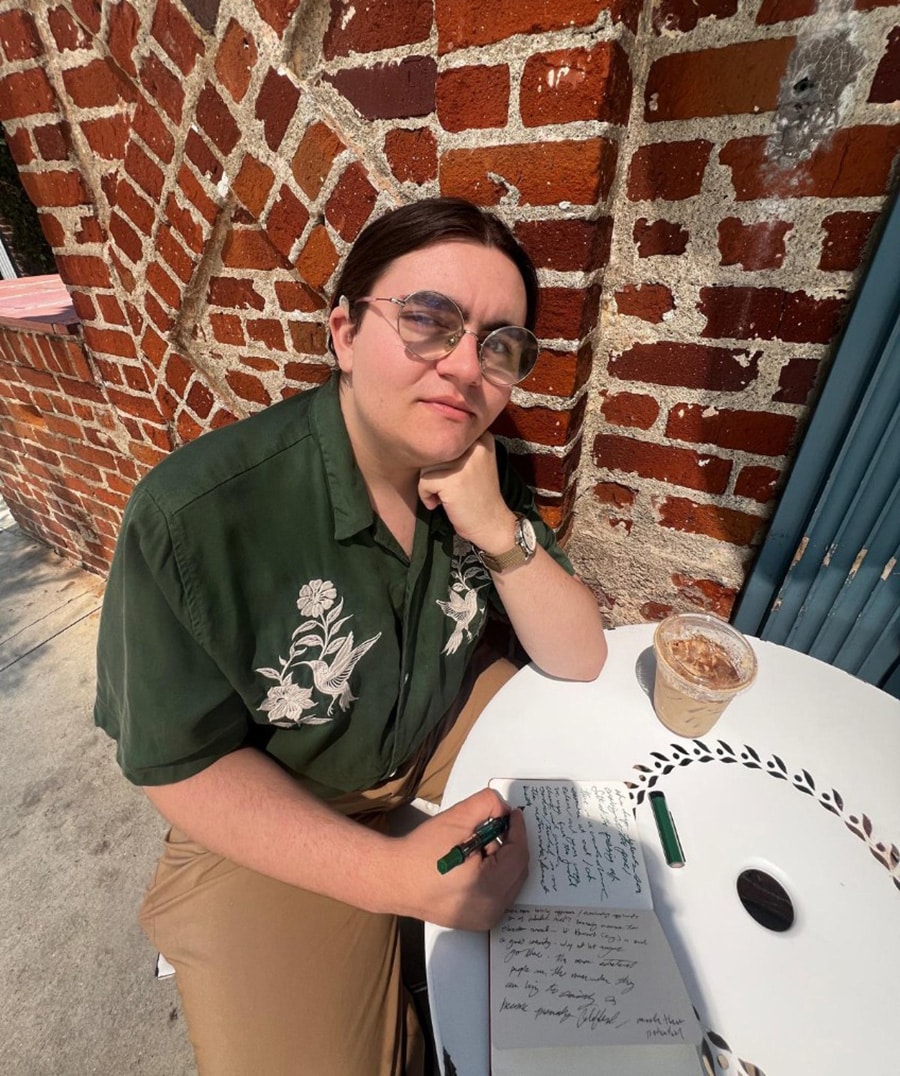
At UCLA, Nolfi-Browne maintained an exemplary academic record, consistently achieving straight A’s. His performance led to an invitation for an advisership from a faculty member, eventually culminating in his nomination to serve as an inaugural member of the Undergraduate Advisory Council at the Gilder Lehrman Institute of American History. Currently, he is completing his history degree, with his honors thesis currently under consideration for departmental recognition.
Data and Trends in Educational Access
The success of students like Nolfi-Browne highlights broader shifts in how educational institutions handle accessibility. According to the National Center for Education Statistics (NCES), the percentage of students with disabilities, including those with hearing impairments, pursuing post-secondary education has seen a gradual increase over the last two decades. However, the completion rate for these students remains a subject of ongoing academic and policy study.
Research from the Hearing Loss Association of America suggests that early intervention services—defined as those provided from birth to age three—are the strongest predictors of long-term academic success for children with hearing loss. Studies indicate that children who receive consistent, high-quality audiological and speech-language services are significantly more likely to graduate from secondary education and enroll in university programs. The "Life Without Limits" philosophy championed by organizations like Listen and Talk aligns with these data-driven outcomes, focusing on long-term integration rather than short-term remediation.

Public Policy and Civic Engagement
Beyond the classroom, Nolfi-Browne has translated his academic focus into the realm of public policy. His recent work with San Francisco Board of Supervisors member Myrna Melgar has drawn attention for its professionalism and impact. During his time assisting the Supervisor’s office, Nolfi-Browne was involved in public policy initiatives that required navigating complex stakeholder interests and legislative frameworks.
His ability to operate at a high level within the political sphere illustrates that for many students with hearing loss, the primary challenges are often social and systemic rather than cognitive. By engaging in policy work, Nolfi-Browne is contributing to the creation of more inclusive environments for those who follow in his footsteps, effectively advocating for the very "limitless" life he has pursued.
Implications for Future Generations
The recognition of Nolfi-Browne serves as a strategic case study for educators and policy makers. It underscores the importance of a holistic approach to student development. While technical aids such as cochlear implants and hearing aids are crucial, the psychological development of "self-determination" appears to be the deciding factor in whether a student transitions from a high school setting to an elite university environment.
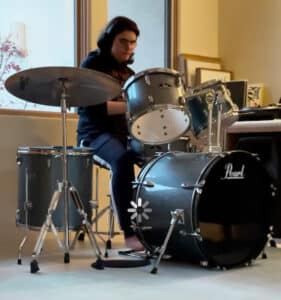
For Listen and Talk, the success of alumni like Nolfi-Browne provides a metric of long-term program effectiveness. The organization relies on donations to continue providing early intervention, speech therapy, and parent education. By funding these services, donors are not merely providing a service; they are investing in a future where hearing loss is a manageable aspect of life rather than an insurmountable barrier.
Broader Impact and Conclusion
As Nolfi-Browne completes his undergraduate degree and looks toward future professional endeavors, his narrative provides a compelling argument for continued investment in early childhood intervention. The "Life Without Limits" award is not just a celebration of one individual’s accomplishments; it is a recognition of the collective effort between families, educators, and the student.
The implications of his success are twofold. First, it challenges the traditional, often pessimistic, expectations associated with hearing loss in academic environments. Second, it highlights the necessity of early-stage resource allocation. When children are given the tools to communicate effectively and the confidence to advocate for their needs, the potential for high-level academic and professional output is significantly broadened.
In his own words, Nolfi-Browne has described the concept of living without limits as an ongoing process of navigation. It is the ability to adapt when the outcome of a situation differs from original expectations, and the resilience to continue "forging a path" regardless of the obstacles encountered. As he transitions into his post-graduate life, the academic and professional community will likely continue to watch his progress with interest, as he serves as a leading example of how early intervention can bridge the gap between initial diagnosis and professional achievement.
The Listen and Talk community continues to emphasize that their mission is to ensure that no child is limited by hearing loss. By providing a comprehensive support system, the organization aims to replicate the conditions that allowed Nolfi-Browne to flourish. As the organization looks to the future, it remains focused on expanding its reach and providing the same level of guidance to the next generation of students, ensuring that the legacy of perseverance is carried forward by those who understand the value of a supportive foundation.